
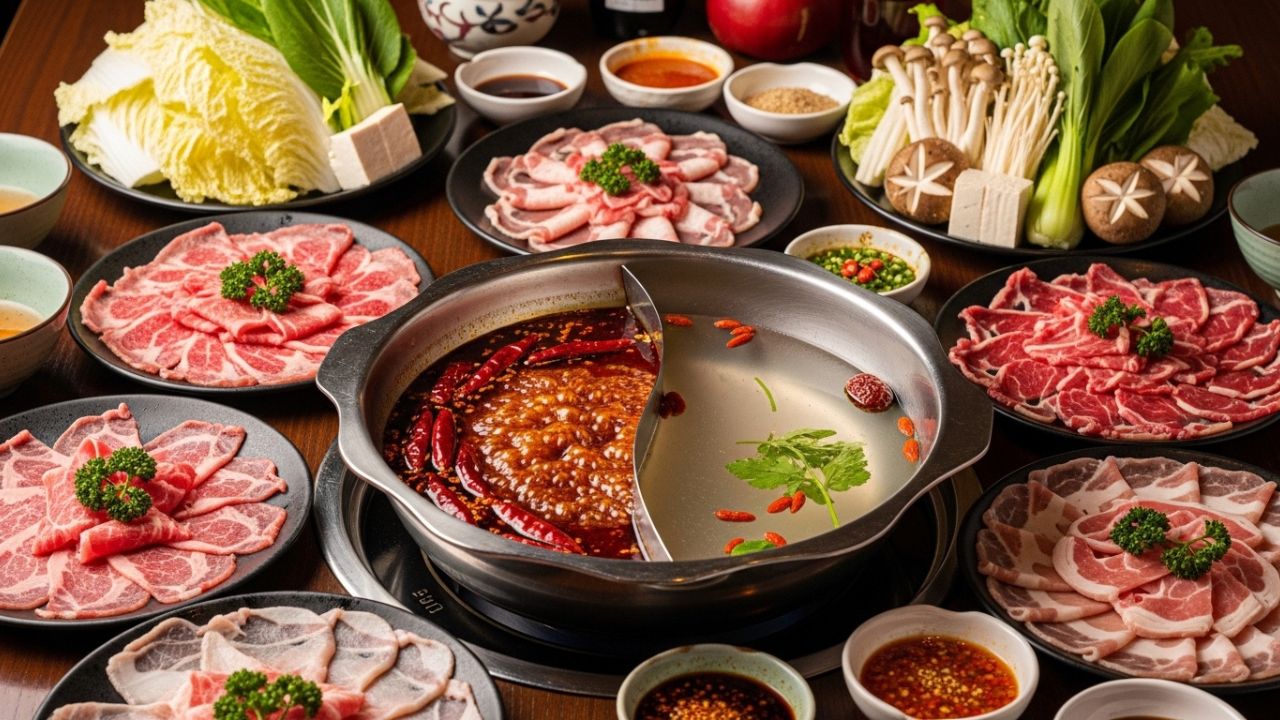
If there is one culinary experience that perfectly captures the essence of community, it is the hot pot. Unlike a standard dinner where the chef does all the work in the kitchen and presents a finished plate, a Chinese Hot Pot Recipe is an invitation to a shared journey. It is interactive, customizable, and inherently slow—encouraging guests to linger over the simmering broth, dipping thin slices of meat and crisp vegetables into a communal pot that sits at the center of the table.
In China, hot pot (or huǒguō) has a history spanning over a thousand years. What started as a simple way for soldiers and shepherds to stay warm has evolved into a sophisticated art form with countless regional variations. Whether you prefer the numbing, fiery spice of a Chongqing-style broth or the mild, nourishing clarity of a Cantonese herbal base, the core philosophy remains the same: fresh ingredients cooked to order in a flavorful liquid. I remember my first real hot pot experience in a small, steam-filled restaurant. The air was thick with the scent of star anise and Sichuan peppercorns. There was something liberating about being in charge of my own cooking time—realizing that a three-second dip was all a piece of wagyu needed, or that a daikon radish was best left to soak up the broth for ten minutes. Bringing this experience into your home is surprisingly easy once you understand the components. Let’s break down how to build your own masterpiece.
The Component Checklist: Ingredients and Hardware
Hosting a hot pot requires a bit of mise en place (preparation), as the cooking happens live. You’ll need a heat source—usually a portable induction cooktop or a butane burner—and a wide, shallow pot.
The Broth Bases (The Soul of the Pot)
- Spicy Szechuan Base: Dried red chilies, Sichuan peppercorns, fermented bean paste (Doubanjiang), ginger, and garlic.
- Mild Bone Broth: Chicken or pork bones simmered with goji berries, red dates (jujube), and ginger slices.
- Mushroom Medley: For a vegetarian option, use a mix of dried shiitake, porcini, and kombu.
The Dipping Proteins
- Thinly Sliced Meats: Ribeye, lamb shoulder, or pork belly. Tip: These must be paper-thin so they cook in seconds.
- Seafood: Raw shrimp, scallops, fish balls, or sliced squid.
- Tofu Varieties: Fried tofu puffs (which soak up broth like sponges), silken tofu, and frozen tofu (which has a unique porous texture).
The Garden and Grains
- Leafy Greens: Napa cabbage, bok choy, spinach, and watercress.
- Root Vegetables: Lotus root slices, daikon radish, and potatoes.
- Mushrooms: Enoki (the long, thin ones), oyster mushrooms, and wood ear.
- Noodles: Glass noodles (mung bean threads), udon, or wide sweet potato starch noodles.
Step-by-Step Instructions: Setting the Stage
1. Preparing the Broth
If you are making the broth from scratch, start early. For a clear broth, simmer your bones and aromatics for at least two hours to extract the collagen and flavor. If you are using a store-bought base (which many busy families do!), simply sauté a little extra ginger and garlic in the pot before adding the base and water. This freshens up the packaged flavors. According to Wikipedia’s Hot Pot history, the broth is the most regional element, so feel free to experiment with local spices.
2. The Art of the Dipping Sauce
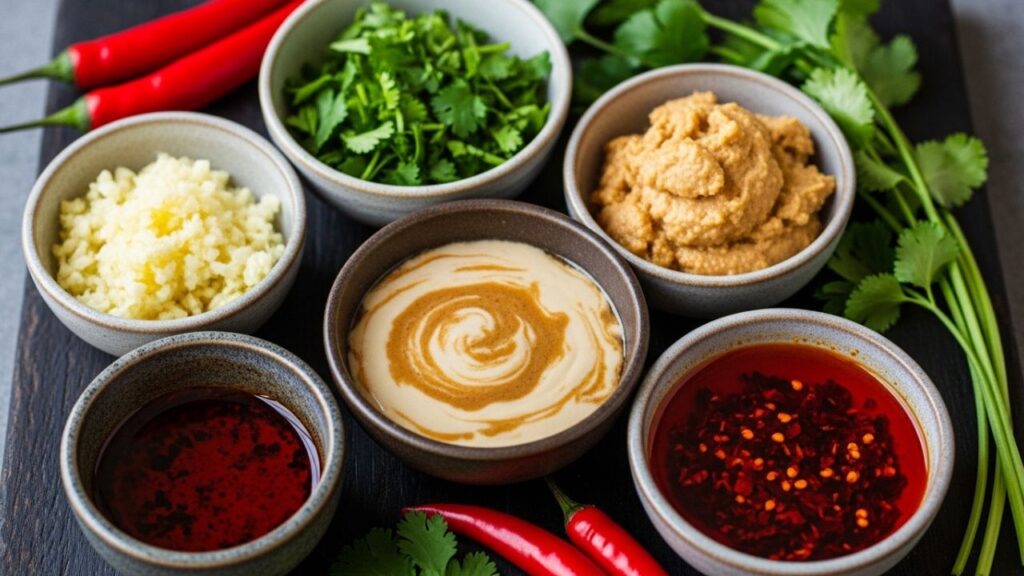
The sauce is where the individual guest expresses their personality. Set up a DIY sauce station. The Golden Ratio usually involves a base of toasted sesame paste or peanut butter, thinned out with a little soy sauce and black vinegar. From there, guests can add:
- Minced garlic and cilantro
- Crushed peanuts
- Szechuan chili oil
- Fermented bean curd (for the adventurous!)
3. Arranging the Ingredients
Presentation is everything. Group your ingredients on large platters. Keep raw meats separate from vegetables to avoid cross-contamination. Ensure the root vegetables are sliced thin (about 1/8th of an inch) so they don’t take thirty minutes to soften.
4. The Cooking Process
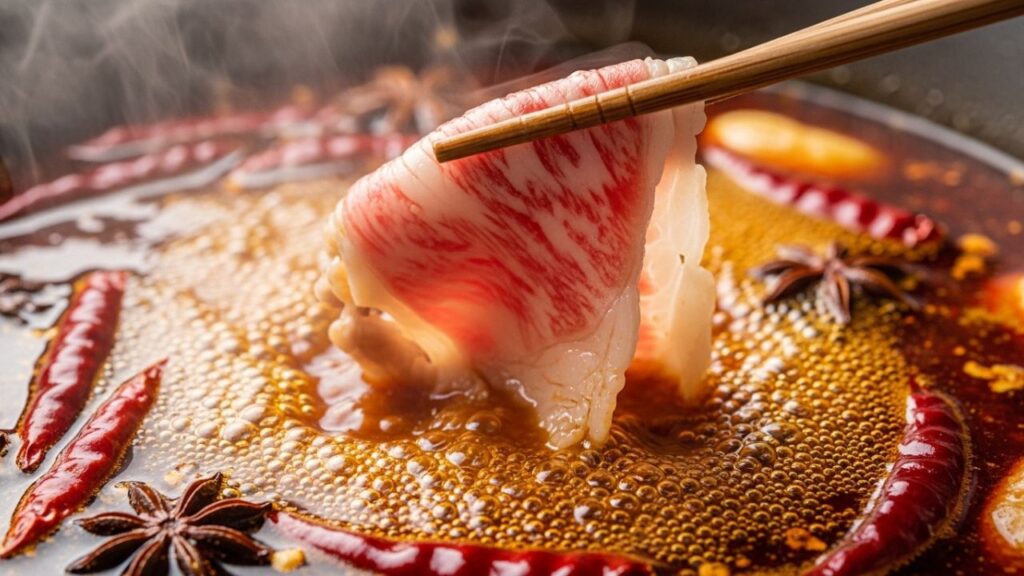
Bring the broth to a rolling boil at the table, then turn it down to a steady simmer.
- Meat: 5–15 seconds until the pink color disappears.
- Leafy Greens: 1–2 minutes.
- Root Veggies: 5–8 minutes.
- Noodles: Save these for the very end when the broth is at its most flavorful.
Essential Hot Pot Etiquette and Cooking Tips
- Don’t Double-Dip: Use one set of public chopsticks to put raw food into the pot and your personal chopsticks to eat. This keeps the meal hygienic for everyone.
- Manage the Heat: If the broth starts getting too salty as it reduces, add plain hot water or unsalted stock.
- The Order Matters: Start with a few slices of meat to fatten up the broth, then move to root vegetables. Save the greens for middle-to-end, as they can sometimes make the broth slightly bitter if left too long.
- Keep it Safe: Follow USDA guidelines for meat handling. Ensure that raw meats are kept chilled until they are ready to hit the boiling pot.
Serving Suggestions: What to Drink?
Because chinese hot pot recipe can be quite salty and spicy, the drink pairings are crucial for balance.
- Plum Juice (Suanmeitang): This traditional sweet and sour drink is the classic pairing. It cuts through the grease and cools the palate.
- Herbal Teas: Chrysanthemum tea or a cold oolong can be very refreshing.
- The Cooler: A light, crisp lager is often the beverage of choice for a spicy Szechuan Chinese Hot Pot Recipe.
For more Asian-inspired party ideas, see our Guide to Dumpling Making or explore our Top 5 Cold Appetizers to serve before the pot gets hot.

Storage and Reheating Tips
- Raw Leftovers: Since you didn’t cook everything at once, you can simply bag up the raw vegetables and meats separately. Meats should be cooked within 24 hours or frozen.
- The Broth: The leftover broth is a flavor bomb! Strain out the solid bits and store the liquid in a glass jar in the fridge for up to 3 days. It makes an incredible base for a quick noodle soup the next day.
- Cooked Items: If you have items that were cooked but not eaten, store them in the broth to keep them moist.
Cooking Logistics at a Glance
- Prep Time: 45 minutes (mostly chopping and arranging)
- Cook Time: Ongoing (usually 1–2 hours of social dining)
- Total Time: ~2 hours
- Servings: 4–6 people
- Difficulty: Easy (Technicality is low, preparation is high)
Conclusion
The Chinese Hot Pot Recipe is more than just a list of ingredients; it’s an event. It’s one of the few meals where the host gets to sit down and enjoy the process just as much as the guests. There is a primal satisfaction in gathering around a fire (or an induction coil) and sharing food that is cooked in real-time. Whether you’re celebrating a holiday or just looking for a way to liven up a cold Tuesday night, hot pot is the answer. It’s healthy, it’s vibrant, and it’s a wonderful way to reconnect with friends and family over a bubbling pot of liquid gold.
Frequently Asked Questions
1: Can I do this without a special hot pot?
Absolutely. You can use a deep electric skillet or even a heavy Dutch oven on a portable single-burner stove. The only requirement is that the pot stays at a simmer while you eat.
2: What is the best meat for hot pot?
Fatty beef, like ribeye or brisket, is the favorite because the fat provides flavor and keeps the thin slices tender. Leaner cuts can become tough very quickly if overcooked by even a few seconds.
3: My spicy broth is too hot! How do I fix it?
Scoop out some of the surface oil (where most of the spice lives) and replace it with more plain broth. You can also add a teaspoon of sugar to the broth to help mellow the heat.
4: Can I make this gluten-free?
Yes! Use tamari instead of soy sauce in your dipping station and ensure your broth base doesn’t contain wheat-based thickeners. Stick to rice noodles or glass noodles instead of wheat-based udon.

Henry James is the writer behind Fooodies.site, where he shares easy recipes, practical cooking guides, and simple kitchen tips for everyday home cooks. He enjoys experimenting with flavors and turning everyday ingredients into delicious, homemade meals. His goal is to make cooking feel simple, enjoyable, and achievable for everyone. He focuses on creating clear, well-tested content that readers can trust and follow with confidence.