
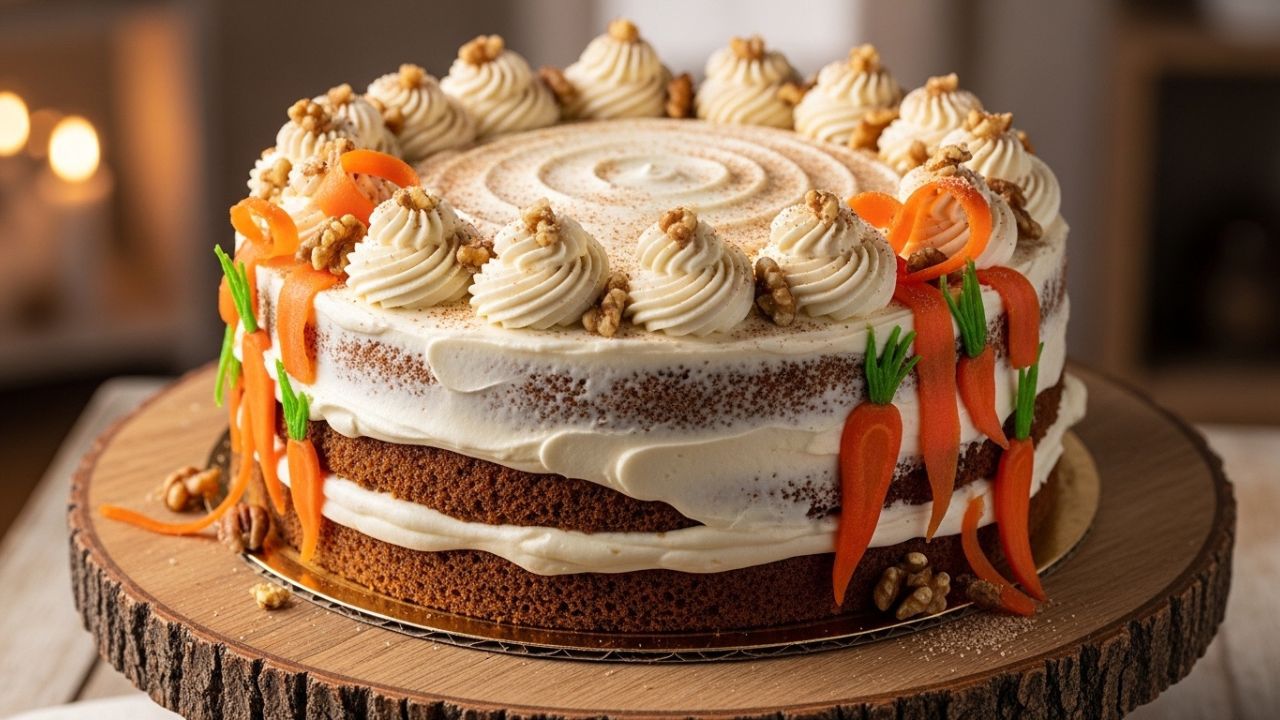
There’s a special kind of disappointment that comes when you realize your beautifully spiced carrot cake won’t stay fresh forever on the counter. After all the effort of grating carrots, mixing batter, and baking the perfect layers, it’s natural to wonder how to keep it tasting just as good days or even weeks later. The good news is that carrot cake is one of the best desserts for freezing, thanks to its moist texture and oil-based structure.
Because of its high moisture content from oil and fresh carrots, this cake holds up extremely well in cold storage. But there’s a real difference between simply freezing a cake and preserving it in a way that keeps its original flavor and texture intact. Whether you’re preparing for a celebration in advance or saving leftovers, our ultimate guide to cake freezing shows you exactly how to preserve flavor and texture properly. If you’d like to explore more dessert ideas and baking inspiration, you can explore more dessert ideas and discover simple homemade treats.
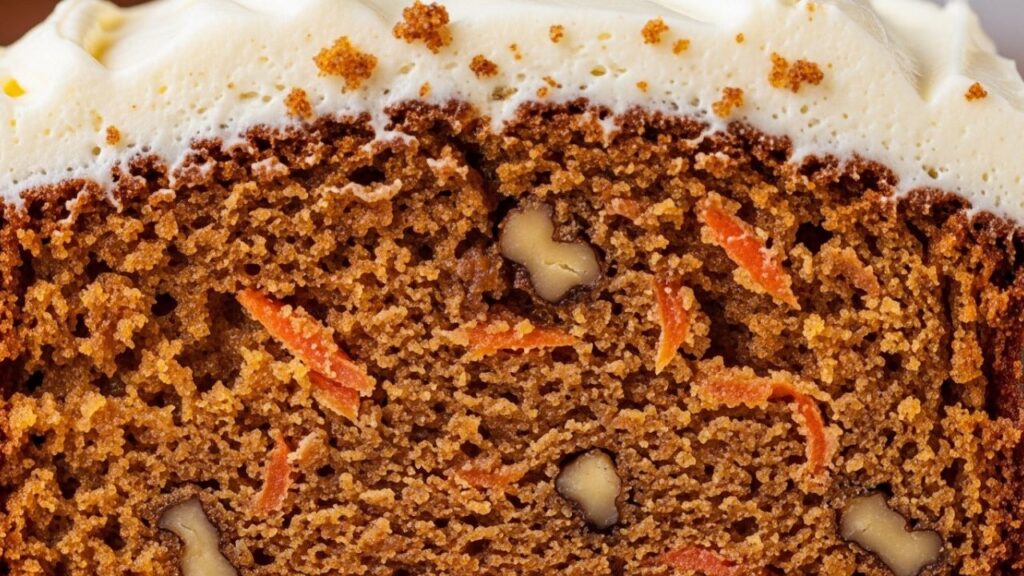
The Ultimate Baker’s Choice Carrot Cake Recipe
Before freezing techniques matter, the foundation of your cake has to be solid. A well-balanced recipe ensures the texture survives thawing without becoming dry or crumbly. In particular, oil-based cakes perform better in the freezer than butter-based ones.
The Dry Ingredients
- All-purpose flour: 315g (about 2½ cups). Provides structure while keeping the crumb soft.
- Baking soda: 1 tsp. Helps the cake rise properly.
- Baking powder: 1 tsp. Adds extra lift.
- Sea salt: ½ tsp. Balances sweetness.
- Ground cinnamon: 2 tsp. Essential warm spice flavor.
- Ground ginger: ½ tsp. Adds gentle heat.
- Nutmeg: ¼ tsp. For depth and aroma.
The Wet Ingredients
- Vegetable or grapeseed oil: 240ml (1 cup). Keeps the cake moist even after freezing.
- Granulated sugar: 200g (1 cup). Adds sweetness and structure.
- Brown sugar: 200g (1 cup, packed). Adds moisture and caramel notes.
- Eggs: 4 large (room temperature). Help bind the batter.
- Vanilla extract: 1 tbsp. Enhances flavor.
- Grated carrots: 300g (about 3 cups). Finely grated for even moisture distribution.
Crafting a Freeze-Stable Cake
1. Preparation and Aeration
A well-textured carrot cake starts with proper mixing. Whisk the oil and sugars together until fully combined, then add eggs one at a time. Mixing until slightly pale helps incorporate air, giving the cake a lighter structure that survives freezing better.
2. Sifting and Folding
Sift all dry ingredients into a separate bowl. When combining wet and dry mixtures, fold gently using a spatula instead of a mixer. Overmixing can develop gluten, which may result in a denser texture after thawing.
3. The Carrot Integration
Fold in the grated carrots evenly. If you prefer texture, you can add chopped walnuts or pecans. However, avoid overly wet add-ins, as they may create ice pockets during freezing.
4. The Bake
Divide the batter into two 8-inch pans. Bake at 175°C (350°F) for 35–40 minutes, or until a toothpick inserted in the center comes out clean. The edges should slightly pull away from the pan when done.
The Science of Fat Ratios and Freezing
Carrot cake freezes better than many traditional sponge cakes because of its oil-based structure. Unlike butter, which solidifies and becomes brittle when cold, oil remains flexible, helping the crumb stay soft after thawing.
Carrots also naturally retain moisture, which helps prevent dryness during freezing. Combined with sugar, they form a stable internal moisture system that protects the cake’s texture. Understanding this helps you bake with confidence, especially when preparing desserts ahead of time.
Professional Methods For Freeze Carrot Cake
The Unfrosted Layers (Best for Make-Ahead)
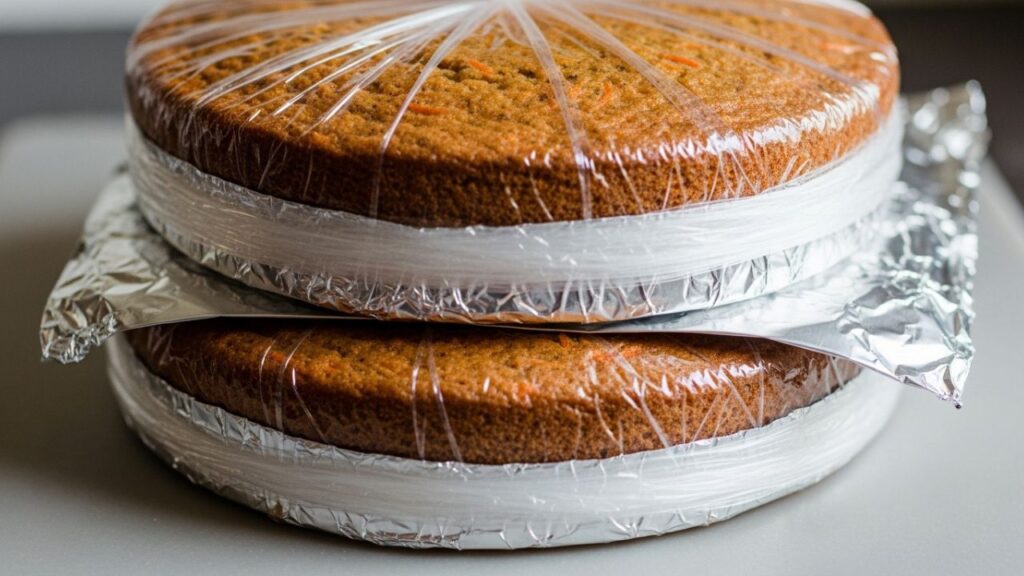
Allow cakes to cool completely before freezing. Wrap each layer tightly in plastic wrap, then add a layer of aluminum foil. Store flat in the freezer to maintain shape.
Freezing the Whole Frosted Cake
Place the decorated cake in the freezer uncovered for 1–2 hours until the frosting firms up. Once solid, wrap it carefully in plastic wrap. This helps preserve decoration details.
Individual Slices (The Emergency Snack Method)
Slice the cake and place pieces on parchment paper. Freeze until solid, then transfer to an airtight freezer bag. This method is perfect for single servings.
Common Mistakes to Avoid
- Freezing warm cake is one of the most common mistakes. Steam trapped inside turns into ice crystals, which damage texture once thawed.
- The Fix: Let the cake sit at room temperature for at least 3 hours before wrapping.
- Using thin storage bags can also lead to freezer burn and flavor loss. Always use high-quality airtight wrapping.
- Rapid thawing, such as microwaving, may cause frosting separation and greasy texture. Slow thawing in the refrigerator is always best.osting has a high water content, it will weep upon thawing.
- The Fix: Use a traditional, dense cream cheese frosting with a high ratio of powdered sugar for the best results.
Storage and Make-Ahead Guidance
- Carrot cake with cream cheese frosting should not sit at room temperature for more than a couple of hours due to dairy safety concerns. Refrigeration keeps it fresh for up to five days in an airtight container.
- For freezing, three months is the ideal window for maintaining best flavor and texture, although it remains safe longer if properly stored.
Serving Suggestions & Creative Variations
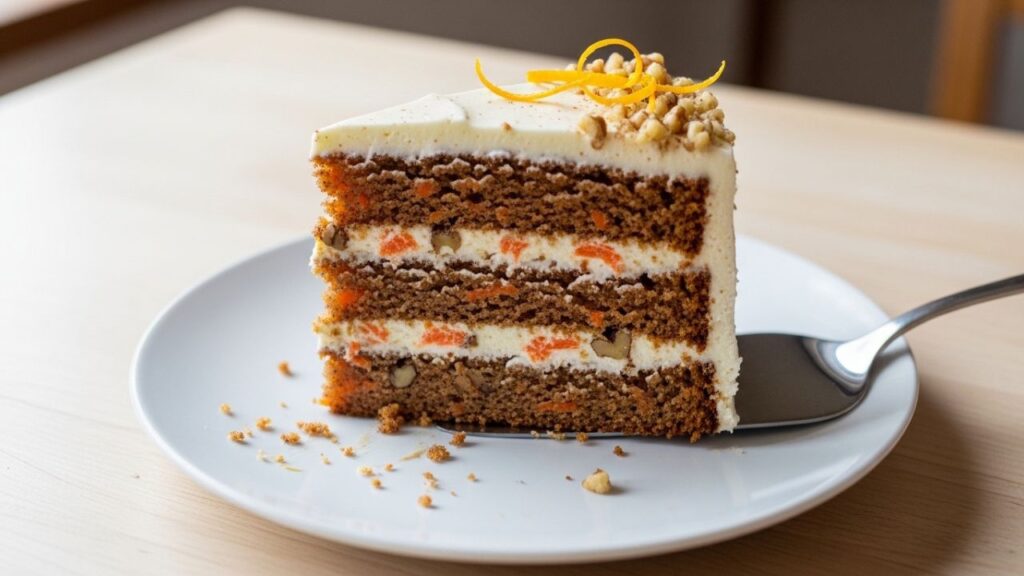
- A thawed slice can be gently warmed in a pan for a slightly caramelized edge and richer flavor.
- Leftover cake can also be transformed into a layered dessert by combining cubes of cake with whipped cream and nuts.
- For extra moisture after thawing, brushing the cake lightly with orange juice syrup can refresh its softness and enhance flavor.
Conclusion
Freezing carrot cake is one of the easiest ways to preserve its flavor and texture when done correctly. Thanks to its oil-based structure and naturally moist ingredients, it holds up well in cold storage compared to many other cakes.
The key is simple: cool it completely, wrap it tightly, and thaw it slowly. With these steps, you can enjoy freshly tasting carrot cake anytime without losing quality. For more sweet treats, check out our guide to storing desserts to maintain freshness.
FAQs
1.Can you freeze carrot cake with cream cheese frosting?
Yes. It freezes very well if you first allow the frosting to firm up before wrapping the cake.
2.How do you thaw frozen carrot cake without it getting soggy?
Place it in the refrigerator for several hours or overnight for the best texture and flavor retention.
3.Does carrot cake lose flavor after being frozen?
Not significantly. In some cases, the spices taste even more developed after thawing.
4.Can I freeze carrot cake batter?
It’s not recommended, as leavening agents lose effectiveness over time.
5.How long does carrot cake last in the freezer?
Best quality is maintained for up to 3 months when properly stored.
