
Few barbecue cuts reward patience quite like rib tips. They are rich, meaty, smoky, and packed with flavor when cooked correctly. While they may not receive as much attention as full racks of ribs, rib tips have earned a loyal following among pitmasters and home cooks alike. Their combination of crispy edges, rendered fat, and deep smoke flavor makes them ideal for slow cooking. Smoking rib tips is less about complicated techniques and more about understanding heat, timing, and moisture. Once you learn how these small cuts behave in a smoker, you can consistently turn out tender, flavorful bites without drying them out.
Many cooks discover rib tips after trimming spare ribs or ordering barbecue from a smokehouse. What surprises people most is how much flavor these small pieces hold. With the right seasoning, smoke level, and cooking approach, rib tips can become one of the most satisfying items on the grill. If you already enjoy experimenting with smoked meats, techniques used in dishes like slow-cooked pulled beef sandwiches can also help you understand how low heat develops flavor over time.
Understanding What Rib Tips Actually Are
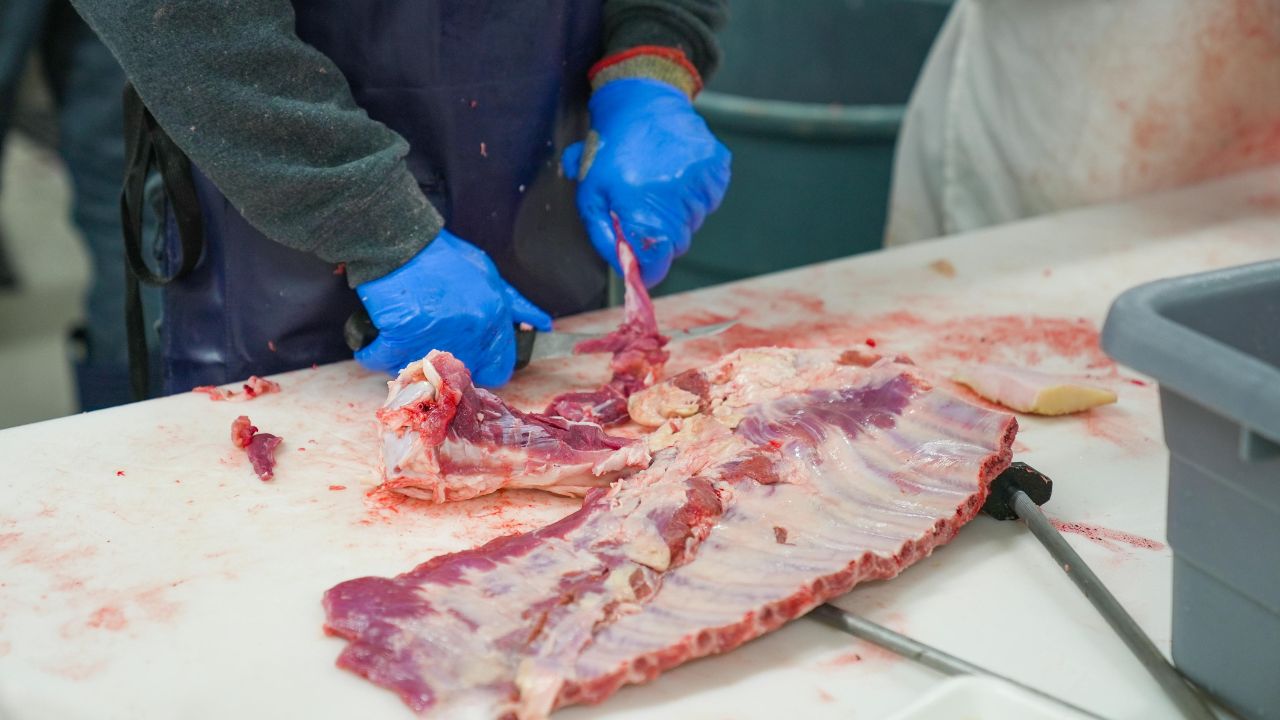
Rib tips come from the lower section of pork spare ribs after the rack is trimmed into a St. Louis-style cut. This portion contains cartilage, small bones, connective tissue, and strips of meat that become tender when cooked slowly.
Unlike baby back ribs, rib tips are not meant for quick grilling. Their structure requires low-and-slow cooking so the connective tissue softens properly. When smoked correctly, the result is juicy meat with slightly chewy edges and rich barbecue flavor. Because rib tips contain more fat and cartilage than standard ribs, they remain forgiving during longer smoking sessions. That extra fat helps keep the meat moist while absorbing smoke beautifully.
Why Smoking Rib Tips Produces Better Flavor
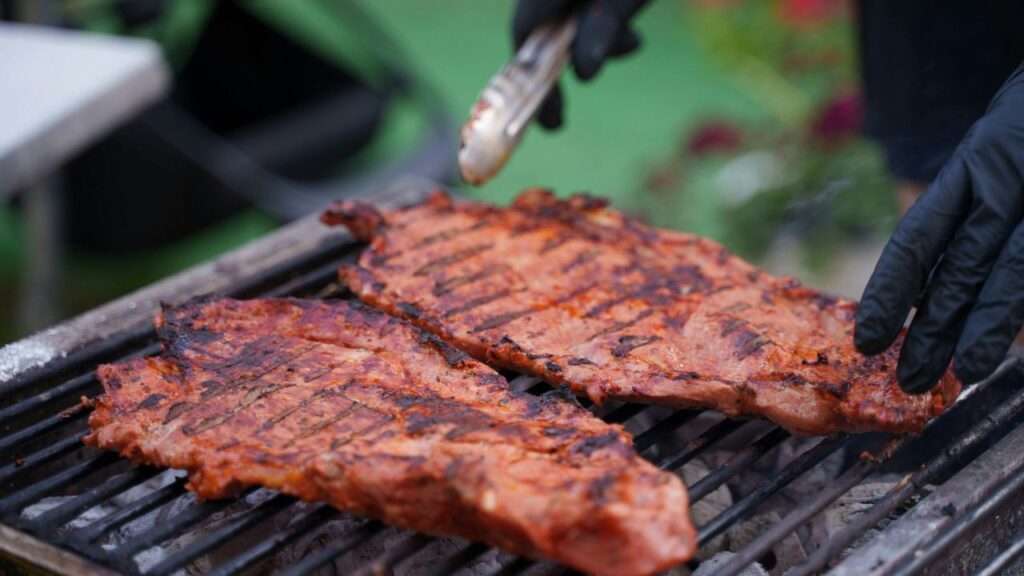
Smoking transforms rib tips in ways traditional grilling cannot. The slow exposure to wood smoke gradually builds flavor while rendering fat and tenderizing the meat. One reason rib tips work so well in smokers is their uneven texture. Thin edges crisp up while thicker sections stay juicy. This creates contrast in every bite. Wood smoke also adds depth that complements pork naturally.
Hickory, applewood, cherry, and pecan are all excellent options. Fruit woods create a milder sweetness, while hardwoods deliver a stronger barbecue profile. The cooking process itself matters just as much as the smoke. Cooking at lower temperatures gives collagen time to break down, improving texture without drying out the meat. According to the USDA Food Safety and Inspection Service, maintaining safe cooking temperatures is essential when preparing pork products slowly over long periods.
Preparing Rib Tips Before They Hit the Smoker
Good barbecue starts long before the smoker heats up. Proper preparation affects both texture and flavor. Start by trimming away loose flaps or excess hard fat. Leave enough fat for moisture, but remove thick chunks that will not render during cooking. Pat the rib tips dry before seasoning. Dry surfaces help spices adhere evenly and improve bark formation later.
A simple dry rub often works best. Common ingredients include:
- Paprika
- Brown sugar
- Garlic powder
- Onion powder
- Black pepper
- Kosher salt
- Chili powder
Apply seasoning generously and allow the meat to rest for at least 30 minutes before smoking. Some cooks refrigerate seasoned rib tips overnight for deeper flavor penetration.
If you enjoy experimenting with spice blends, techniques similar to those used in homemade dry rub seasoning mixes can help balance sweetness, salt, and heat.
Setting Up the Smoker for Consistent Results
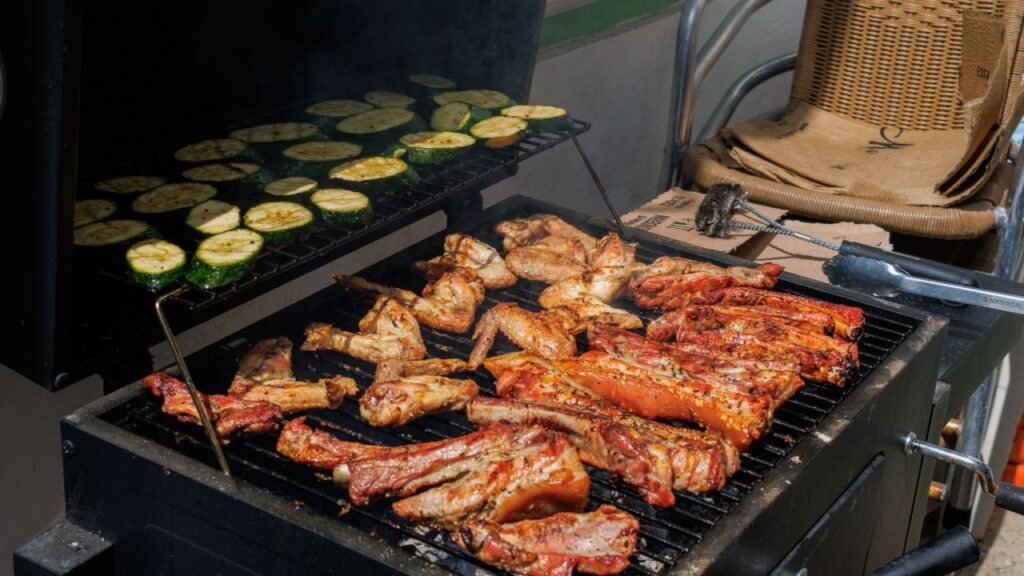
Stable temperature matters more than almost anything else when smoking rib tips. Aim for a smoker temperature between 225°F and 250°F. This range allows gradual rendering without toughening the meat. Charcoal smokers, pellet grills, offset smokers, and electric smokers can all work well. The important factor is consistency. Place rib tips away from direct heat whenever possible. Indirect cooking prevents scorching while giving smoke time to circulate evenly.
Water pans can help regulate temperature and maintain moisture inside the smoker. This becomes especially useful during longer cooking in dry weather. Avoid adding too much wood at once. Heavy smoke can create bitterness instead of balanced flavor. Thin, bluish smoke is usually ideal. For cooks learning smoke management, understanding airflow is just as important as seasoning. The smoke should complement the pork rather than overpower it.
How Long Rib Tips Usually Need to Smoke
Smoking times vary depending on thickness, smoker type, and temperature stability. Most rib tips need roughly 4 to 6 hours at 225°F to become tender. Smaller pieces may finish earlier. Instead of relying entirely on time, pay attention to texture. Properly smoked rib tips should bend easily and feel tender when pierced. Some pitmasters wrap rib tips partway through cooking using foil or butcher paper.
This method traps moisture and speeds up tenderization. Others prefer unwrapped smoking for firmer bark and deeper smoke flavor. Both methods can work well depending on personal preference. A light spritz of apple juice, vinegar, or water during cooking can help prevent surface drying. Spritzing every hour after the first two hours is usually enough. Many barbecue fans use cooking approaches similar to those found in smoked chicken wing techniques, where moisture management plays a major role in texture.
Common Problems That Ruin Rib Tips
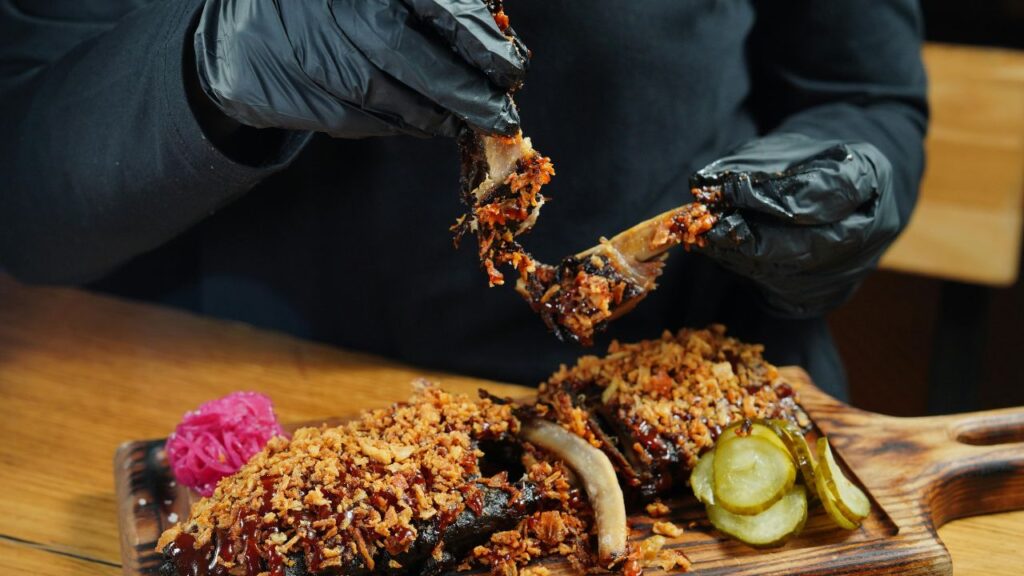
Even experienced grillers occasionally struggle with rib tips. Fortunately, most mistakes are easy to avoid once recognized.
Cooking Too Hot
High heat causes the outer sections to dry out before connective tissue softens. Rib tips benefit from patience.
Using Too Much Smoke
More smoke does not automatically mean better flavor. Thick white smoke often creates harsh bitterness.
Skipping the Resting Period
Resting allows juices to redistribute. Cutting immediately after smoking can make the meat seem dry even when properly cooked.
Overseasoning With Salt
Because rib tips are smaller than full racks, salt-heavy rubs can become overpowering. Balance is important.
Ignoring Texture
Temperature probes help, but tenderness matters most. Rib tips should feel soft and flexible before serving.
Choosing the Right Sauce Without Hiding the Smoke
Sauce should enhance smoked rib tips rather than dominate them. Sweet tomato-based sauces pair well with hickory-smoked pork. Vinegar sauces brighten heavier cuts, while mustard sauces add tanginess. Apply sauce carefully during the final 20 to 30 minutes of smoking if you want sticky caramelization. Adding sauce too early can cause burning because of sugar content.
Some cooks skip sauce entirely and focus on bark texture and smoke flavor. There is no single correct approach. According to Food Science, balancing acidity, sweetness, salt, and fat is one reason barbecue flavors feel satisfying and layered.
Smart Storage and Reheating Methods
Smoked rib tips store surprisingly well when handled properly. Allow leftovers to cool slightly before refrigerating. Store them in airtight containers within two hours of cooking. Properly refrigerated rib tips usually stay fresh for 3 to 4 days. For longer storage, freeze portions individually. Wrapping tightly helps preserve moisture and prevents freezer burn. When reheating, avoid microwaving uncovered meat for extended periods. Gentle oven reheating with a splash of broth or water keeps the meat from drying out. A covered baking dish at low temperature usually restores texture better than high heat.
Bringing Out the Best in Smoked Rib Tips
Smoking rib tips is one of those cooking techniques that improves with repetition. Each session teaches something about fire control, seasoning balance, smoke intensity, and texture. The beauty of rib tips lies in their forgiving nature. They do not require expensive equipment or competition-level skills to taste excellent. With steady heat, balanced smoke, and enough time, even a basic backyard smoker can produce deeply flavorful results. Home cooks who focus on patience usually see the biggest improvements. Low temperatures, proper airflow, and careful seasoning consistently outperform rushed cooking methods. Once you become comfortable smoking rib tips, they often become a regular favorite for gatherings, weekend meals, and casual outdoor cooking sessions.
FAQ’s
1. Are rib tips the same as ribs?
No. Rib tips come from the trimmed lower section of spare ribs. They contain more cartilage and connective tissue than standard rib racks.
2. What wood works best for smoking rib tips?
Hickory and applewood are popular choices. Hickory creates bold smoke flavor, while applewood offers milder sweetness.
3. Should rib tips be wrapped while smoking?
Wrapping is optional. It helps retain moisture and speeds up cooking, but leaving them unwrapped creates firmer bark.
4. How do I know when rib tips are done?
The meat should feel tender and flexible. A toothpick or probe should slide in with little resistance.
5. Can rib tips be smoked ahead of time?
Yes. Many cooks smoke them earlier in the day and reheat gently before serving. Proper storage helps preserve flavor and texture.
