
There’s something special about cooking lobster at home. It feels like a big occasion, and for many people, it can also feel a bit intimidating. I remember the first time I tried it—I was convinced I’d overcook it and ruin an expensive ingredient. Standing by the stove, checking every few seconds, second-guessing everything—it’s a common experience.
Over time, though, I learned that the best lobster recipe isn’t complicated—much like understanding how to properly thaw and prepare frozen proteins before cooking any premium ingredient. In fact, the secret is doing less, not more. When you let the natural sweetness of the lobster shine, the results are far better. This simple butter-poached and lightly seared lobster method brings out a tender, rich flavor that feels restaurant-quality without the stress.

Selecting Your Stars: What to Look For
Before cooking, choosing the right lobster is key. There’s often debate between hard-shell and soft-shell lobsters. Soft-shell lobsters tend to be sweeter and easier to crack, but they contain less meat. Hard-shell lobsters, on the other hand, are meatier and hold their texture better during cooking.
When buying lobster tails, look for ones that are firm, plump, and smell fresh—like the ocean, not fishy. If you’re selecting live lobster, it should be active and responsive. A sluggish lobster may not be fresh.
The Anatomy of a Great Lobster Seafood Recipe
For simplicity, this recipe focuses on lobster tails, which are easier to handle and cook evenly.
Ingredients:
- Lobster tails (2 large, about 6–8 ounces each)
- Unsalted butter (high quality)
- Fresh garlic cloves (lightly crushed)
- Fresh herbs like tarragon or parsley
- Lemon zest
- Fine sea salt
- A pinch of white pepper
This combination enhances the lobster without overpowering its natural flavor.
The “Butterfly and Poach” Method
1. The Butterfly Technique
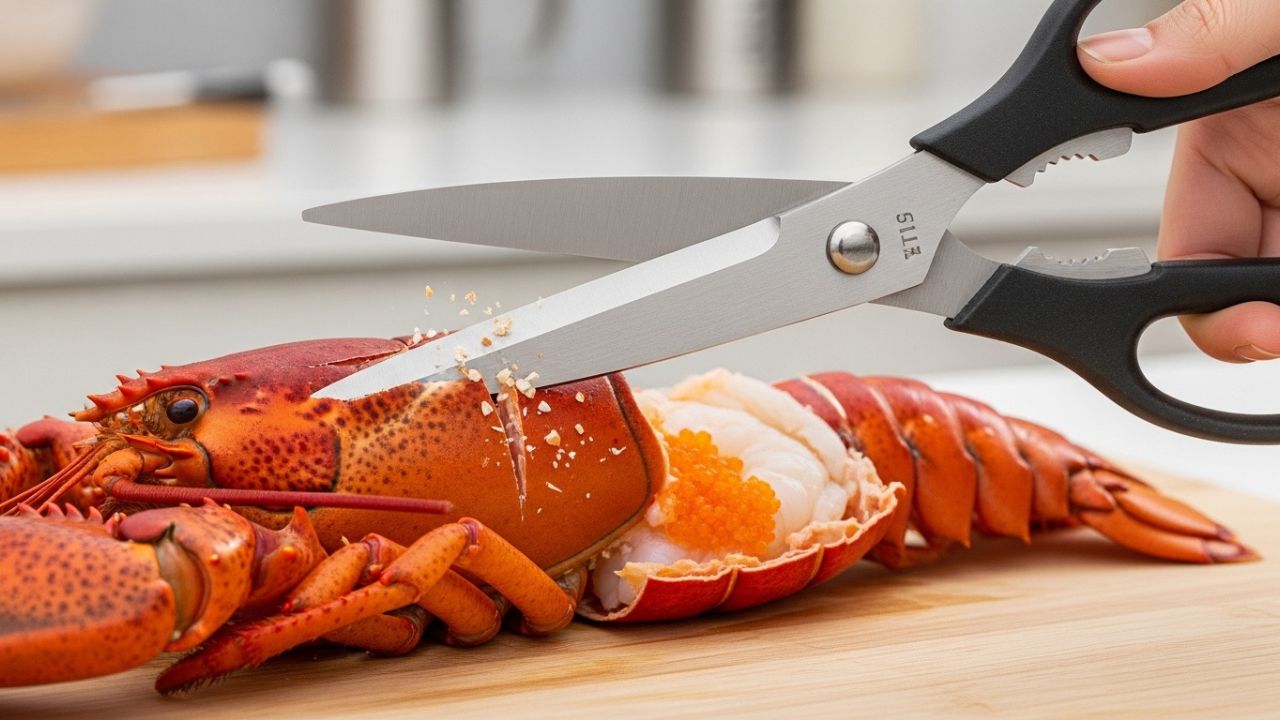
Using kitchen shears, cut down the center of the top shell toward the tail fin. Gently open the shell and lift the meat so it rests on top. This helps the lobster cook evenly and also gives it a beautiful presentation.
2. The Cold-Start Butter Bath
Instead of placing lobster into very hot butter, start with a cold pan. Add butter and aromatics, then slowly heat over medium-low. This gentle start prevents the meat from becoming tough.
3. Controlled Poaching
Place the lobster into the melted butter and continuously baste it. Keep the temperature low—this is about gentle poaching, not frying. The slow cooking process keeps the texture soft and tender.
4. The Finish
The lobster is ready when the meat turns opaque and firm, yet still slightly springy. Let it rest for a couple of minutes before serving so the juices stay inside the meat.

Personal Insights: Why Simplicity Wins
It’s tempting to add lots of extra ingredients, but lobster doesn’t need much—unlike recipes that rely heavily on garlic butter flavor techniques to build richness. Rich sauces or heavy spices can overpower its natural flavor. Butter and a touch of citrus are often all you need.
Another small but important step is letting the lobster rest after cooking. This short pause allows the juices to redistribute, giving you a more flavorful bite.

Flavor Variations to Try
- Spicy Version: Add a small amount of chili paste for gentle heat.
- Citrus Twist: Swap lemon for lime and add a hint of ginger.
- Smoky Finish: Briefly grill the lobster after poaching for a light char.
These variations keep things interesting while still respecting the main ingredient.
Avoiding the Most Common Mistakes
- Overcooking: Lobster cooks quickly. Even an extra minute can make it tough. Remove it from heat just before it’s fully done.
- Using Salted Butter: This limits your control over seasoning. Unsalted butter is a better choice.
- Skipping Cleaning: Remove the vein from the tail for better taste and presentation.
Storage and Repurposing Leftovers
If you have leftover lobster, store it in an airtight container in the refrigerator for up to two days. Avoid reheating it in the microwave, as this can make the meat rubbery.
Instead, use leftover lobster cold in a salad or roll, or gently fold it into warm pasta—especially in creamy pasta dishes that highlight its richness—just before serving.
Seafood FAQ
1. Can I use frozen lobster tails?
Yes. Just thaw them slowly in the refrigerator overnight for best results.
2. How can I tell when it’s cooked?
The meat turns opaque and white, with a firm yet slightly springy texture.
3. What side dishes work best?
Light sides like salad, vegetables, or simple rice complement lobster well.
4. Is steaming better than poaching?
Steaming is quicker, but butter poaching creates a richer flavor and softer texture.
5. Why did the meat stick to the shell?
This can happen if the lobster is overcooked or not fully thawed before cooking.
Closing Thoughts on This Signature Dish
Cooking lobster at home doesn’t have to be stressful. With a simple approach and a bit of attention, you can create something that feels truly special. It’s less about perfection and more about enjoying the process.
Even if it’s not flawless the first time, it will still be delicious—and each attempt gets better. Take your time, trust your instincts, and enjoy turning a simple meal into something memorable.

Henry James is the writer behind Fooodies.site, where he shares easy recipes, practical cooking guides, and simple kitchen tips for everyday home cooks. He enjoys experimenting with flavors and turning everyday ingredients into delicious, homemade meals. His goal is to make cooking feel simple, enjoyable, and achievable for everyone. He focuses on creating clear, well-tested content that readers can trust and follow with confidence.