
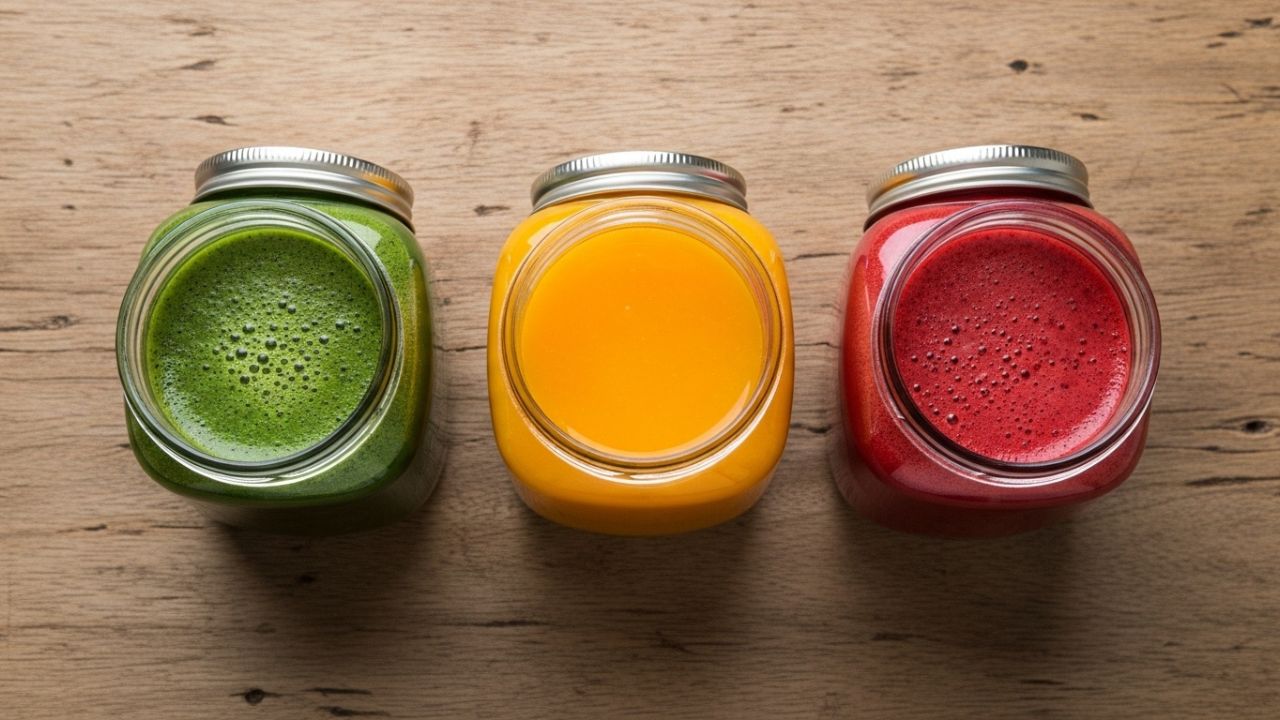
There’s something refreshing about starting your morning with the sound of a juicer humming in the kitchen, especially when you’re building smarter and tastier juicing habits. It signals a clean, simple beginning to the day. For a long time, I relied on store-bought juices, assuming they were just as good. But once I tried freshly made juice at home, the difference was clear. The flavor was brighter, more vibrant, and far more satisfying.
Making juice at home gives you full control over what goes into your glass. You can adjust flavors to your liking—add a bit more ginger for a kick or balance tart fruits with something mild like cucumber. With the right ingredients, even simple combinations can taste amazing. Whether you want a quick morning boost or a refreshing afternoon drink, learning a few basic juice recipes can make healthy habits easier and more enjoyable.

Building Your Liquid Foundation
Before jumping into recipes, it helps to understand what makes a well-balanced juice. Instead of mixing random ingredients, aim for a combination that includes a hydrating base, something naturally sweet, a nutrient-rich element, and a small ingredient that adds a bold flavor.
The Hydrating Bases
These ingredients create volume and keep the juice light and refreshing.
Cucumbers: Mild in taste and high in water content, they make juices smooth and refreshing.
Celery: Adds a slightly savory note and pairs well with fruits.
Romaine Lettuce: Light, slightly sweet, and surprisingly refreshing when juiced.
The Sweet and the Bold
These ingredients bring flavor, color, and balance.
Carrots: Naturally sweet with a smooth texture and vibrant color.
Green Apples (Granny Smith): Their tartness balances stronger vegetable flavors.
Beets: Rich and earthy—use in small amounts to avoid overpowering the juice.
Ginger and Lemon: Ginger adds warmth and spice, while lemon brightens the overall taste.ing up the raw nutritional values of every fruit and vegetable mentioned here.
Three Essential Blends to Master
I like to categorize my juices by mood. Sometimes I need a green cleanse vibe, and other times I want something that feels like liquid sunshine.
1. The Morning Glow (Carrot, Apple, and Ginger)
Different juices can match different moods or times of the day. Here are three simple combinations to get started:
1. The Morning Glow (Carrot, Apple, and Ginger)
A great beginner-friendly juice with a balanced sweet and spicy flavor.
Ingredients:
4 carrots, 2 green apples, 1-inch piece of ginger, ½ lemon (peeled)
2. The Garden Refresher (Cucumber, Celery, and Pear)
Light, crisp, and perfect for staying refreshed.
Ingredients:
1 cucumber, 3 celery stalks, 2 pears, a handful of mint leaves
3. The Deep Green Power (Kale, Spinach, and Pineapple)
A flavorful way to include leafy greens in your routine.
Ingredients:
2 cups kale, 1 cup spinach, ½ pineapple (peeled), 1 lime
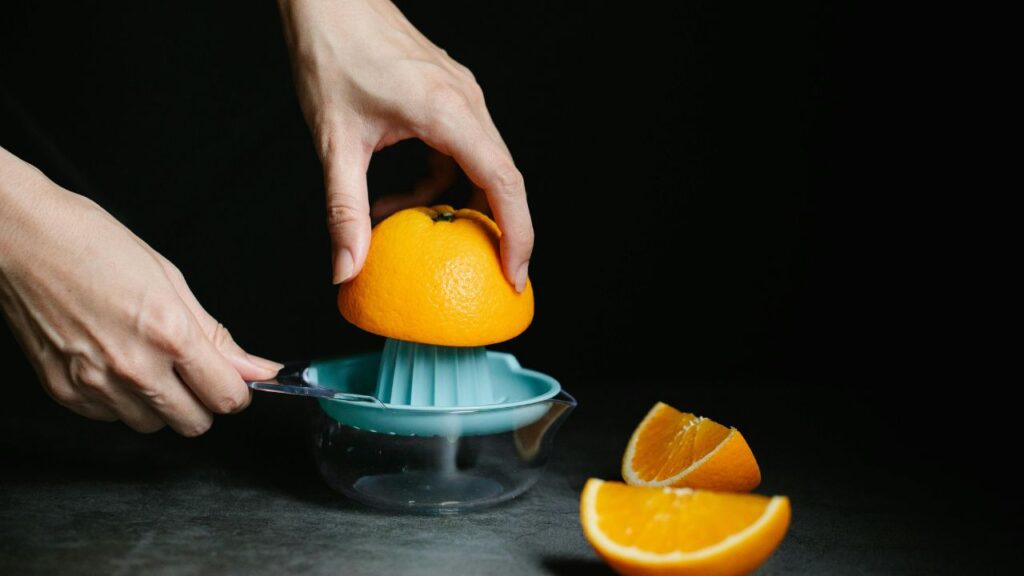
Step-by-Step: The Juicing Process
Juicing is simple, but a few small techniques can improve your results.
The Prep:
Wash all produce thoroughly. Peel citrus fruits to avoid bitterness, but most other ingredients can be used as they are.
The Layering:
Alternate soft and hard ingredients. For example, follow leafy greens with firm vegetables like carrots to help push everything through efficiently.
The Finishing Touch:
Stir the juice before drinking to evenly distribute flavors.
The Cleanup:
Clean your juicer right away. Dried pulp can be difficult to remove later.
Pro Tips for the Ultimate Juice
- Keep it Cold: Chilled ingredients produce a more refreshing drink.
- Reduce Foam: Strain juice if you prefer a smoother texture.
- Adjust Strength: Add a splash of water if the flavor feels too strong.
- Experiment Freely: Small changes can create entirely new flavors.
Storage and Freshness Guidelines
Fresh juice tastes best when consumed soon after preparation. However, it can be stored if needed.
Storage:
Use an airtight glass container and fill it close to the top to reduce air exposure.
Shelf Life:
Typically stays fresh for 24–48 hours in the refrigerator.
Note:
If the juice develops an unusual smell or taste, it’s best not to consume it.

Pairing Your Juice with Food
Fresh juice works well alongside meals, especially when paired with healthy homemade salad ideas. A citrus-based juice can complement heavier foods, while sweeter blends pair nicely with breakfast dishes. Serving juice with meals can add variety and enhance the overall dining experience, especially when combined with easy appetizer recipes for entertaining.
Conclusion
Making juice at home is a simple way to enjoy fresh flavors and experiment with different fruits and vegetables. It turns everyday ingredients into something refreshing and enjoyable. Start with a few basic combinations, adjust them to your taste, and build your own favorites over time.
Frequently Asked Questions
1. Do I need an expensive juicer to start?
No. A basic juicer works fine, and even a blender can be used by straining the mixture afterward.
2. Is juicing better than eating whole fruits?
Both have benefits. Whole fruits provide fiber, while juice offers a quick and convenient way to enjoy produce in liquid form.
3. Can I use slightly bruised fruit?
Yes, as long as it’s fresh and not spoiled. Avoid anything with mold or an off smell.

Henry James is the writer behind Fooodies.site, where he shares easy recipes, practical cooking guides, and simple kitchen tips for everyday home cooks. He enjoys experimenting with flavors and turning everyday ingredients into delicious, homemade meals. His goal is to make cooking feel simple, enjoyable, and achievable for everyone. He focuses on creating clear, well-tested content that readers can trust and follow with confidence.