
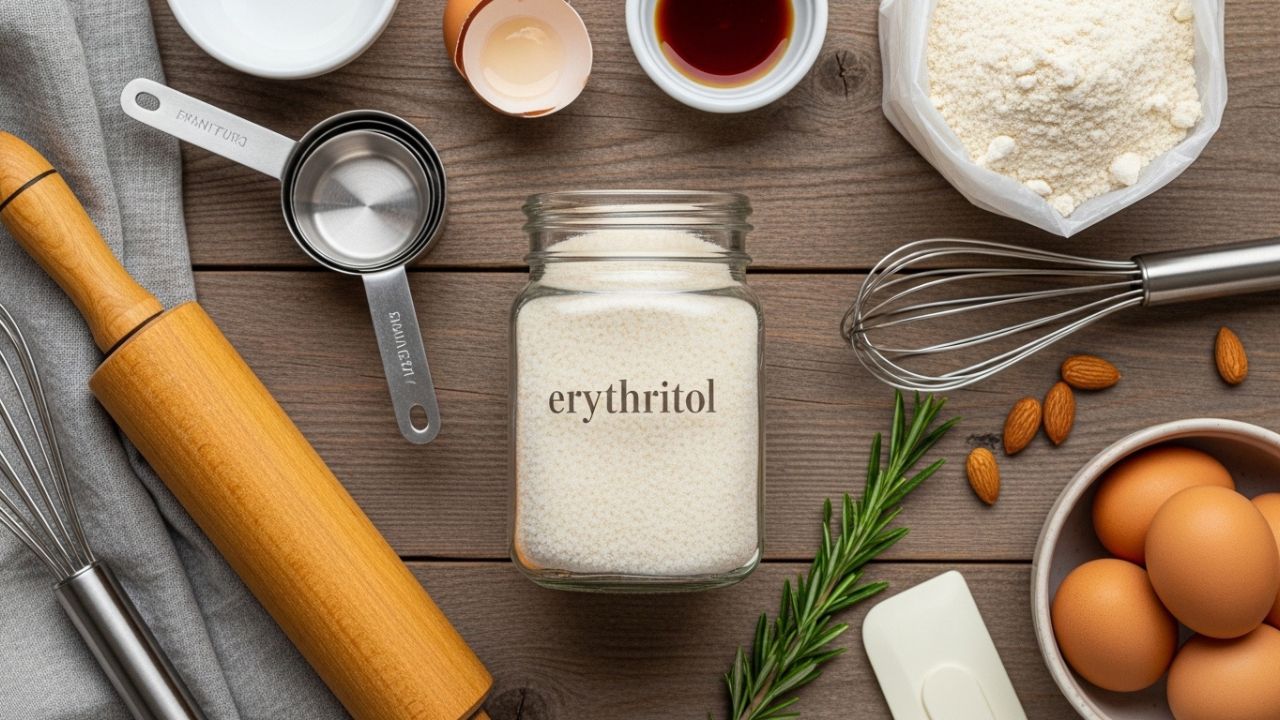
Transitioning away from refined sugar doesn’t mean you have to hang up your apron and give up on dessert. In fact, after spending years experimenting with various sugar alternatives in my own kitchen, I’ve found that erythritol sweetener is often the holy grail for low-carb baking. It looks like sugar, it crunches like sugar, and it doesn’t leave that lingering bitter aftertaste common with stevia. Whether you are managing your blood sugar or simply trying to cut back on calories, learning the nuances of this sugar alcohol is a game-changer. If you are just starting your sugar-free journey, you might want to browse our home cooking collection for balanced living inspiration for more ideas.
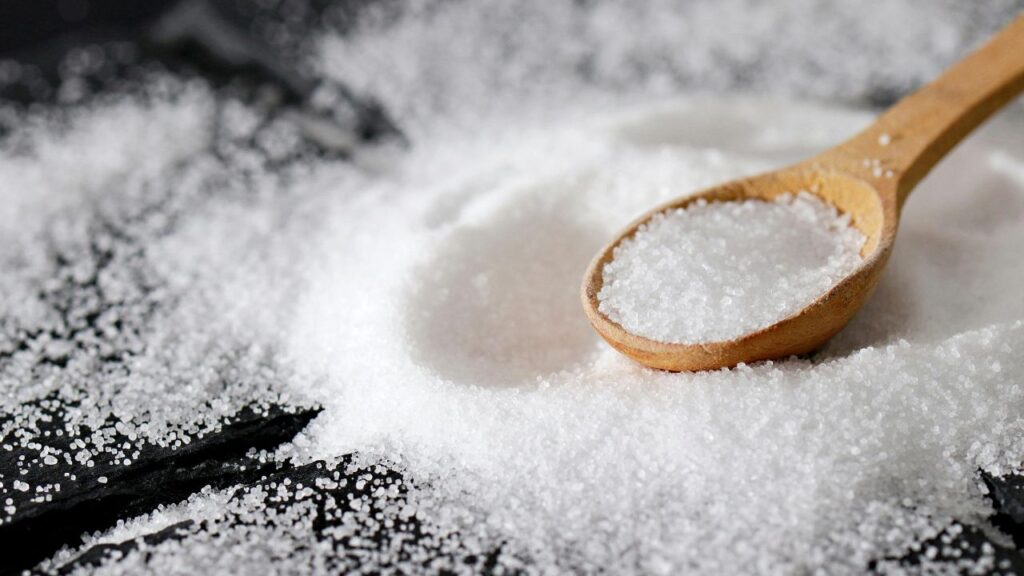
What exactly is Erythritol?
Before we dive into the oven-side tactics, it’s helpful to know what we’re working with. Erythritol is a sugar alcohol (polyol) that occurs naturally in some fruits and fermented foods. Unlike table sugar, it has almost zero calories and a very low glycemic index, meaning it won’t cause those dreaded energy crashes.
In my experience, the biggest hurdle for beginners is understanding the sweetness ratio. Erythritol is roughly 70% as sweet as white sugar. If you swap it 1:1, your cake might come out a bit bland. I’ve found that adding a tiny pinch of stevia or monk fruit can bridge that gap, bringing the sweetness level back to what you’d expect from a traditional treat.
Pro Tips for Baking Success
After testing this several times in everything from fudgy brownies to delicate sponges, I’ve gathered a few golden rules that will save you a lot of wasted ingredients.
1. The Power of Powdering
One trick I always use—and I cannot emphasize this enough—is to pulse my granulated erythritol in a high-speed blender before adding it to a recipe. Erythritol does not dissolve as easily as sugar. If you use the granules straight from the bag in a cookie dough or frosting, you might end up with a gritty texture. Turning it into a fine powder ensures a smooth mouthfeel every time.
2. Mastering the Cooling Effect
If you’ve ever tried a sugar-free mint and felt a cold sensation in your mouth, that’s the erythritol. While it’s pleasant in a peppermint patty, it can be distracting in a warm cinnamon roll. To minimize this, I suggest:
- Pairing it with fats: Butter, heavy cream, or nut butters help coat the palate and dampen the cooling sensation.
- Adding spice: Flavors like cinnamon, ginger, and nutmeg naturally mask the effect.
3. Watch the Browning
Standard sugar caramelizes at high heat, giving cookies that beautiful golden-brown edge. Erythritol doesn’t behave the same way; it won’t caramelize or provide that chewy structure. To compensate, I often add a teaspoon of molasses (if the carb count allows) or use a brown erythritol blend that contains a bit of malty flavor.
Measuring and Ratios
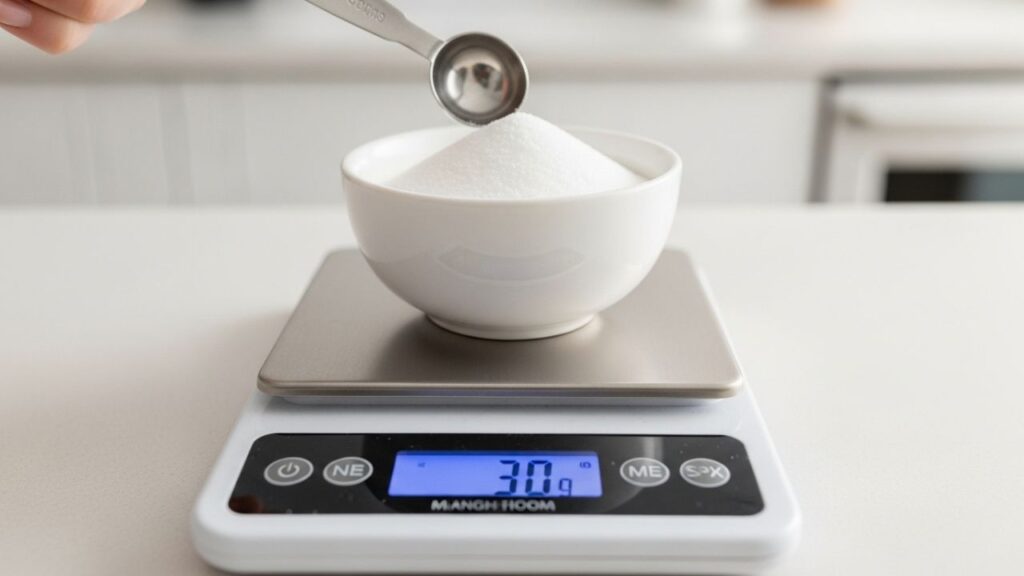
Since erythritol is less sweet than sugar, you generally need to use more of it. A common starting point is 1 1/3 cups of erythritol for every 1 cup of sugar.
However, be careful not to overdo it. Because it is a sugar alcohol, using excessive amounts can sometimes lead to a slightly dry texture in cakes. I’ve found that adding an extra tablespoon of applesauce or yogurt helps maintain the moisture that sugar usually provides.
Storage and Shelf Life
Erythritol is incredibly stable. It doesn’t attract moisture like honey or sugar does, which means it won’t ‘clump’ as easily in the pantry. For more tips on maintaining the perfect texture and flavor in your sweets, check out our guide on storing chocolate for freshness Store it in a cool, dry place in an airtight container. Interestingly, I’ve noticed that baked goods made with erythritol actually stay fresher looking for longer because they don’t get sticky or soggy in humid air.
Common Mistakes to Avoid
- Assuming it’s a 1:1 replacement for yeast: If you are making bread, remember that yeast feeds on sugar. Yeast cannot eat erythritol, so your dough won’t rise. You’ll still need a teaspoon of real sugar or honey to activate the yeast (the yeast will consume it, so the carbs won’t end up in your final loaf).
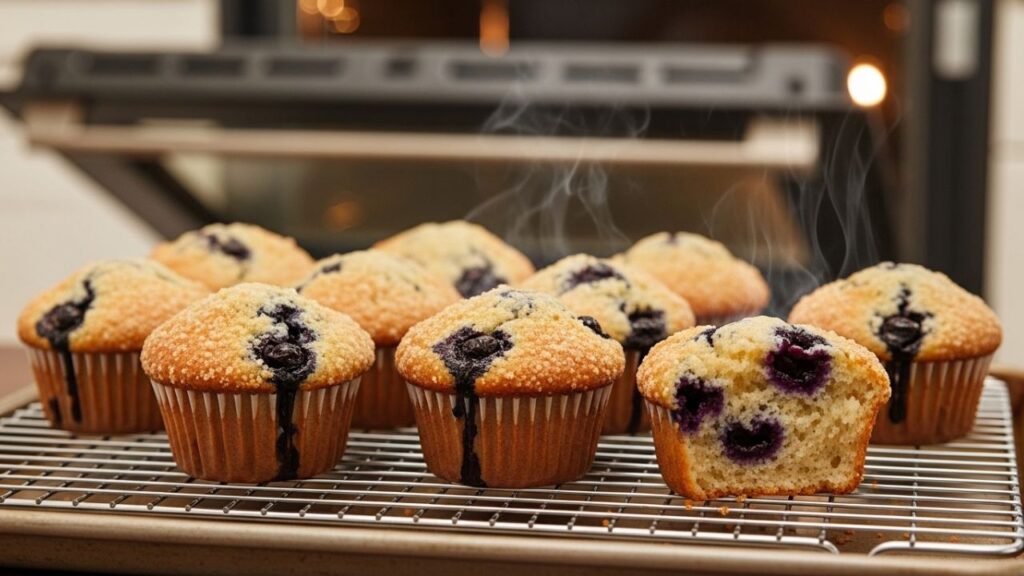
- Over-baking: Sugar-free treats can dry out faster. I usually start checking my muffins about 3–5 minutes before the recipe says they should be done.
Final Thoughts
Baking is a science, and switching your primary sweetener is like changing the laws of physics in your kitchen. It takes a little practice, but the rewards—delicious, guilt-free treats—are well worth the effort. Don’t be afraid to experiment with powdering your sweetener or adding a dash of cinnamon to balance the flavors. You can also learn more about freezing sugar-free cakes effectively to keep your creations fresh for longer.
Frequently Asked Questions
1. Is erythritol safe for pets?
While erythritol is generally considered safe for humans, always keep it away from dogs. While it isn’t as toxic as Xylitol, it can still cause digestive upset in pets. For more detailed information on food safety and additives, you can check the FDA’s guidelines on sweeteners.
2. Why did my erythritol cookies turn out crunchy?
Erythritol sweetener tends to recrystallize as it cools. This makes it excellent for crispy shortbread or crunchy cookies, but if you wanted a soft, chewy cookie, you might need to blend it with a bit of Allulose.
3. Can I make caramel sauce with it?
Not easily. Pure erythritol sweetener will melt, but it won’t turn into that gooey, amber caramel we love. It will simply return to a hard, crystalline state once it cools down.
4. Does it have a bitter aftertaste?
Usually, no! That is the main benefit of erythritol over sweetener like Saccharin or Stevia. It has a very clean sweetness profile.
5. How much is too much?
While most people tolerate it well, consuming very large amounts in one sitting (over 50 grams) can cause some bloating or digestive discomfort. Moderation is key, just like with regular sugar!

Henry James is the writer behind Fooodies.site, where he shares easy recipes, practical cooking guides, and simple kitchen tips for everyday home cooks. He enjoys experimenting with flavors and turning everyday ingredients into delicious, homemade meals. His goal is to make cooking feel simple, enjoyable, and achievable for everyone. He focuses on creating clear, well-tested content that readers can trust and follow with confidence.