
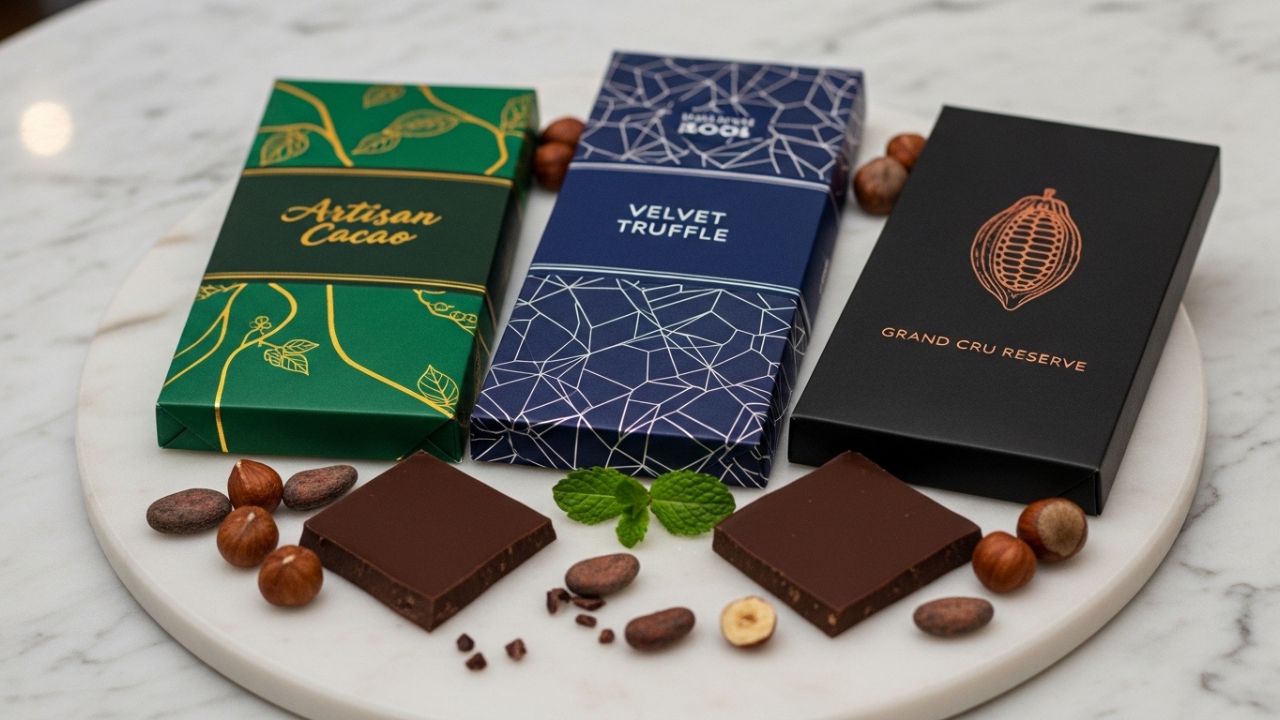
There is nothing quite as disappointing as reaching for a premium bar of chocolate you’ve been saving, only to find it has turned white, chalky, and brittle. Most people assume that chocolate is a set it and forget it pantry item, but it is actually one of the most sensitive ingredients in your kitchen. It reacts to temperature shifts, humidity, and even the smells of the food sitting next to it. Mastering how to store chocolate is the difference between a melting, velvety experience and a grainy, flavorless one. Whether you are a professional baker or just someone who keeps a secret stash of treats, these rules will protect your investment. For additional guidance, explore our sugar-free baking tips to learn how alternative sweeteners interact with chocolate. If you are looking to improve other areas of your pantry management, feel free to visit our homepage for more ideas on keeping your kitchen staples at their peak.
Why Precision Matters: The Science of Bloom
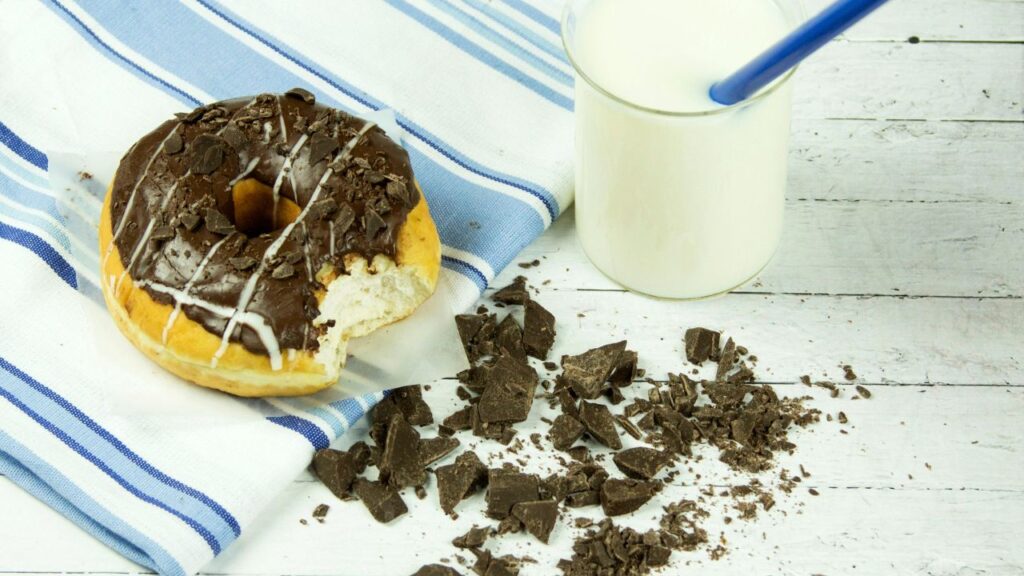
- Fat Bloom: This occurs when the chocolate gets too warm. The cocoa butter melts, separates from the solids, and rises to the surface, creating white streaks.
- Sugar Bloom: This happens when moisture hits the chocolate. The sugar dissolves in the water and then recrystallizes into a gritty, rough layer.
In my experience, sugar bloom is the harder one to fix because it permanently changes the texture. Fat bloom can often be reset by melting and tempering, but sugar bloom usually means that bar is destined for the baking bowl rather than direct snacking.
How to Store Chocolate Correctly
After testing this several times in different climates, I’ve found that there are four non-negotiable pillars for maintaining chocolate quality.
1. The Goldilocks Temperature
The most frequent question I get is: Should I put my chocolate in the fridge? The answer, almost always, is no. The ideal temperature for chocolate is between 15°C and 18°C (60°F to 65°F).
If your house stays around 21°C (70°F), a low-level cupboard far away from the oven or toaster is perfectly fine. One trick I always use is storing my high-end bars in the same area I keep my wine; the cool, stable temperature of a wine cellar or a basement pantry is exactly what cocoa butter needs to stay stable.
2. Humidity and Moisture Control
Chocolate must stay dry. I’ve found that even a tiny amount of steam from a nearby boiling pot can be enough to trigger sugar bloom if the package isn’t sealed. You want to keep the relative humidity below 50%. If you live in a very humid environment, using a desiccant pack (the little do not eat silica packets) inside your storage container can be a lifesaver.
3. Protection from Light and Oxygen
Exposure to light and air causes oxidation, which leads to a stale, cardboard taste. This is particularly true for milk and white chocolate because of their dairy content. Always keep your chocolate in an opaque container or a dark drawer.
4. The Sponge Effect
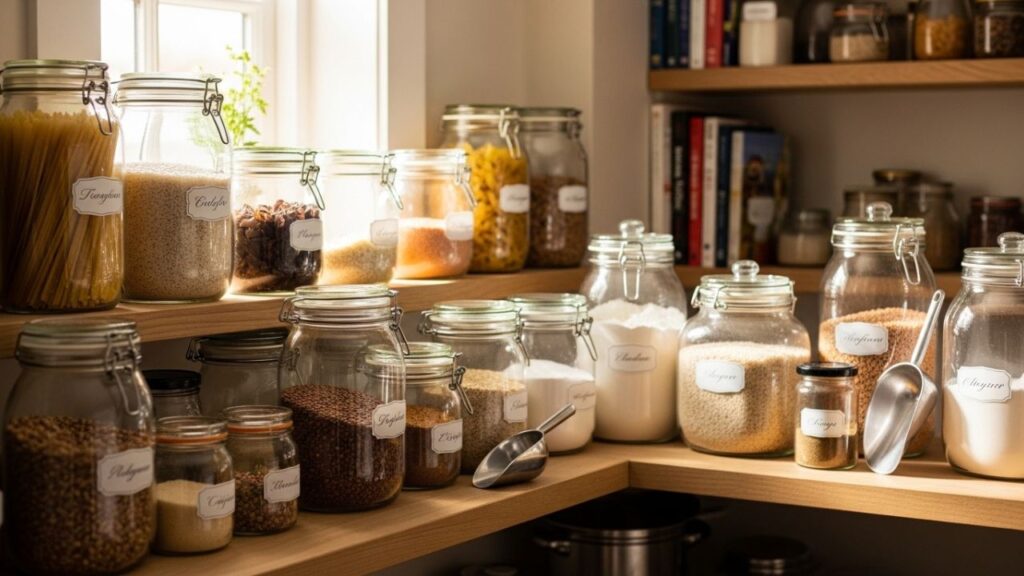
Cocoa butter is an absorbent fat. It will pull in the aromas of anything nearby. If you store your chocolate next to a jar of curry powder or a box of onions, your chocolate will eventually taste like those items. This is why learning how to store chocolate in airtight glass containers is so important.
The Best Way to Wrap and Pack
If you have opened a bar and aren’t finishing it in one sitting, don’t just fold the wrapper back and toss it in the drawer.
Here is my preferred method
- The Inner Layer: Re-wrap the chocolate in its original foil if possible, or use a fresh piece of parchment paper. Avoid plastic wrap directly against the chocolate for long periods, as it can sometimes trap minute amounts of moisture.
- The Outer Layer: Place the wrapped bar into a heavy-duty, zip-top freezer bag. Squeeze out as much air as humanly possible before sealing.
- The Final Fortress: Put that bag into a rigid, airtight plastic or glass container. This provides a double barrier against both moisture and odors.
What About the Refrigerator?
While I generally advise against it, there are times (like a mid-summer heatwave with no AC) when the fridge is your only option. If you must use the fridge, the entry and exit strategy is critical.
One trick I always use to prevent condensation is the 24-hour buffer. When you take chocolate out of the fridge, do not unwrap it immediately. Let it sit on the counter, still inside its airtight container, for at least 2 to 4 hours. This allows the chocolate to come to room temperature gradually. If you open it while it’s still cold, the warm air will hit the cold surface and create instant sugar bloom.
For more detailed information on the chemical stability of fats in confectionery, you can consult the Professional Manufacturing Confectioners Association (PMCA) for technical white papers on chocolate shelf-life.
Common Mistakes to Avoid
- The Window Sill Trap: Never leave chocolate in direct sunlight. Even in a cool room, the radiant heat from the sun can melt the internal structure of the bar in minutes.
- Mixing Types: Don’t store strong mint chocolates in the same container as delicate milk chocolates. The mint will migrate and flavor everything else in the box.
- Neglecting the Best By Date: While chocolate doesn’t spoil in a way that makes you sick, the aromatics degrade. Dark chocolate is best within 2 years, while milk and white chocolate should be eaten within 12 months for the best experience.
Conclusion
Knowing how to store chocolate is the final step in being a great home cook. You’ve put in the effort to buy the best ingredients; don’t let a humid cupboard or a nearby onion ruin your dessert. By maintaining a stable, cool, and dry environment, you can ensure that every time you unwrap a piece of chocolate, it is exactly as the maker intended: glossy, snapping, and delicious. For more home ingredient storage tips, see our homemade chicken nuggets guide ate, it is exactly as the maker intended: glossy, snapping, and delicious.
FAQ’s
1. Is it safe to eat chocolate with white spots?
Yes! As long as it doesn’t have an off smell, it is perfectly safe. It is simply the cocoa butter or sugar rising to the surface. It’s great for melting into cookies or hot cocoa.
2. Can I freeze chocolate for a year?
Yes, but you must be very careful with the airtight seal. Use a vacuum sealer if you have one. For more guidance on preserving chocolate in baked goods, check out our cake freezing methods for fresh-tasting results. When you are ready to eat it, move it to the fridge for 24 hours, then to the counter for 24 hours before opening.
3. Why does my chocolate taste like plastic?
This usually happens when it’s stored in cheap, low-grade plastic containers or thin sandwich bags. High-quality fats like cocoa butter absorb the chemical smell of the plastic. Switch to glass jars for better results.
4. What is the best way to store chocolate chips?
Since they are often used for baking, a large mason jar in a cool pantry is the best method. It keeps them from clumping and protects them from pantry smells.
5. Does expensive chocolate last longer?
Actually, the opposite is often true. High-end artisanal chocolate often has fewer preservatives and a higher cocoa butter content, making it more sensitive to its environment than mass-produced candy bars.

Henry James is the writer behind Fooodies.site, where he shares easy recipes, practical cooking guides, and simple kitchen tips for everyday home cooks. He enjoys experimenting with flavors and turning everyday ingredients into delicious, homemade meals. His goal is to make cooking feel simple, enjoyable, and achievable for everyone. He focuses on creating clear, well-tested content that readers can trust and follow with confidence.