
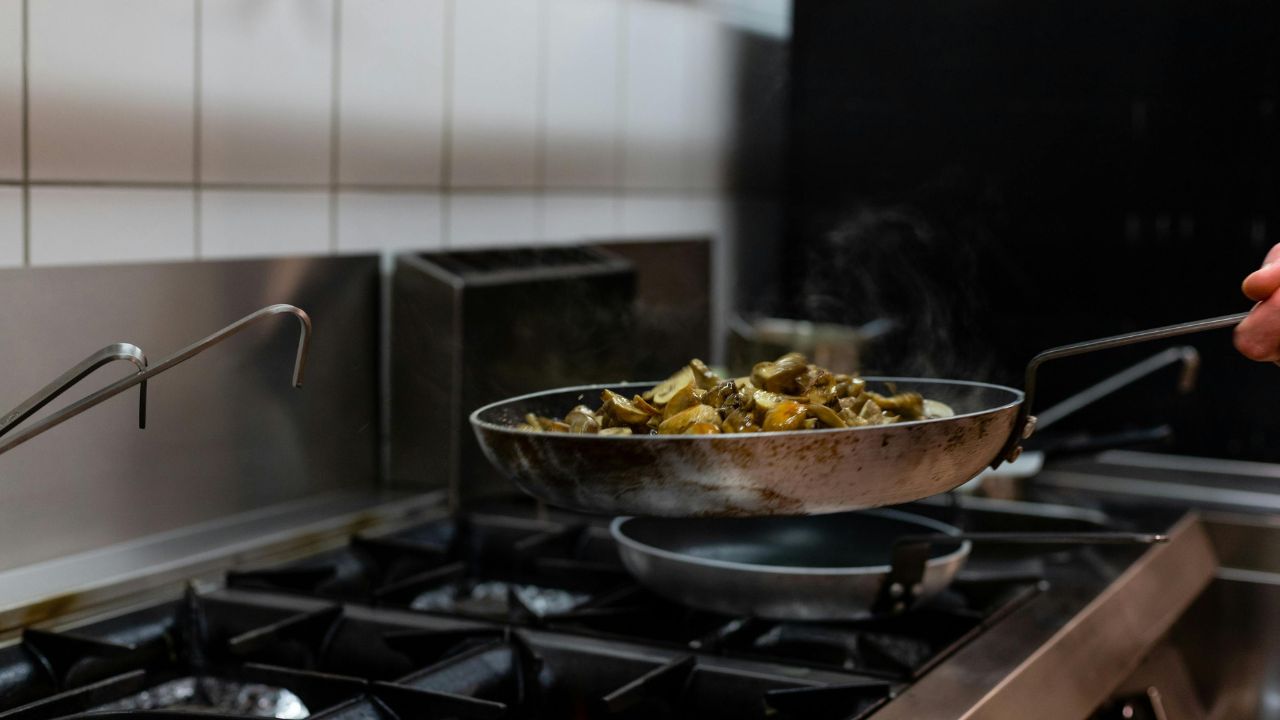
There is a distinct sound that echoes through the most vibrant kitchens in the world: the rhythmic clack-clack of a metal spatula against a curved steel basin. For the uninitiated, a wok might look like a simple, oversized bowl, but for those who understand how to cook with a wok, it is the most versatile tool in the culinary arsenal. Unlike a flat frying pan, the wok is an engine of efficiency. Its sloping sides allow for different heat zones, its deep shape prevents splashing, and its material is designed to respond to temperature changes in a heartbeat.
I remember my first time attempting a stir-fry in a shallow non-stick skillet. The vegetables turned soggy, the meat was gray instead of browned, and the whole experience felt… lackluster. It wasn’t until I held a seasoned carbon steel wok over a roaring flame that I understood what I was missing. It wasn’t just about the food; it was about the physics of the pan. The wok allows you to toss ingredients through a column of hot air, a technique that creates the elusive wok hei—or “breath of the wok”—that smoky, charred essence that defines restaurant-quality dishes.
In this guide, we aren’t just looking at a single recipe. We are exploring the fundamental mechanics of this ancient vessel. From seasoning the metal to mastering the “toss,” you are about to transform your home cooking into something truly professional.
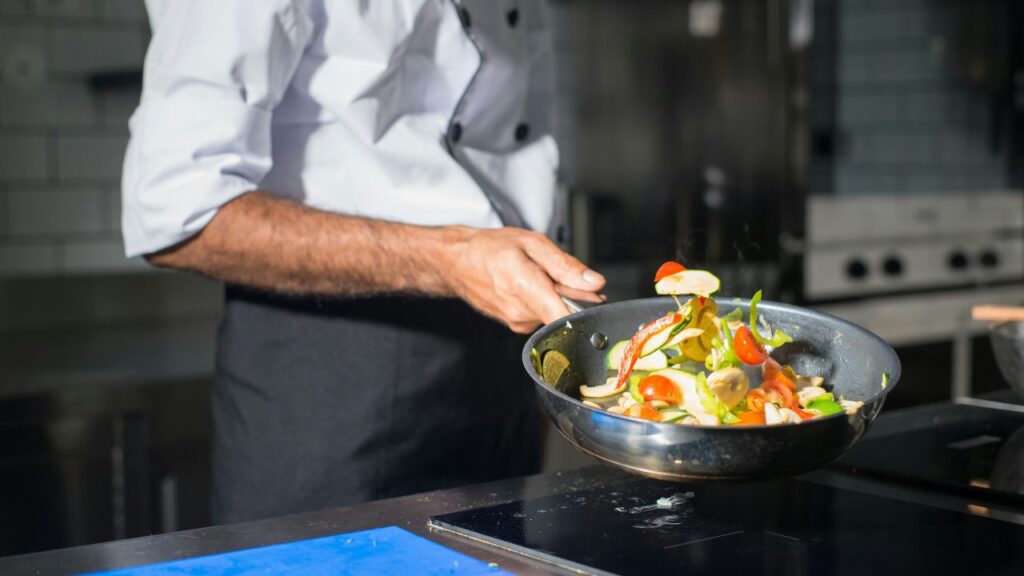
Gear and Essentials: What You’ll Need
Before we dive into the “how,” we need to talk about the “what.” Mastering how to cook with a wok starts with selecting the right equipment and preparing your ingredients properly.
The Hardware
- A 14-inch Carbon Steel Wok: Avoid non-stick coatings; they cannot handle the high temperatures required. Carbon steel is traditional because it conducts heat beautifully and develops a natural non-stick “patina” over time.
- Long-Handled Spatula (Chuan): This is shaped to follow the curve of the wok, allowing you to scoop and flip easily.
- High-Smoke Point Oil: Peanut oil, grapeseed oil, or avocado oil are best. Do not use butter or extra virgin olive oil.
The Ingredients for Your First Run
- Protein (1 lb): Sliced beef, chicken, or firm tofu.
- Hard Vegetables: Broccoli, carrots, or snap peas.
- Soft Vegetables: Bell peppers, bok choy, or spinach.
- Aromatics: Fresh ginger, garlic, and scallions.
- The Liquid Element: A simple mix of soy sauce, rice vinegar, and a touch of cornstarch.
Step-by-Step Instructions: Mastering the Flow
1. The Pre-Heat and the “Longyau”
Place your wok over the highest heat your stove can manage. Wait until you see a faint wisp of smoke rising from the dry metal. This is the signal. Pour in about two tablespoons of oil and swirl it around to coat the entire surface. This traditional Chinese technique is called longyau—it ensures the pan is lubricated and ready to prevent sticking.
2. Searing the Protein
Add your meat or tofu in a single layer. Let it sit undisturbed for about 30–60 seconds to develop a crust. Using your spatula, stir it quickly until it is about 80% cooked, then remove it from the wok and set it aside. This prevents the meat from becoming tough while the vegetables cook.
3. The Vegetable Hierarchy
Add another splash of oil if needed. Toss in your “hard” vegetables first (like carrots). After a minute, add the “soft” vegetables. According to the USDA Food Safety guidelines, keeping your cooking area clean and separating raw meats from fresh produce is vital during this fast-paced process. Keep the food moving constantly. The goal is to sear the outside while keeping the inside crisp.
4. The Aromatic Heart
Push the vegetables to the sides of the wok (the cooler zone) and drop your garlic and ginger into the hot center. Fry for only 15–20 seconds. If they turn brown or black, they will taste bitter.
5. Recombining and Glazing
Return the protein to the pan. Give your sauce a quick whisk (cornstarch settles at the bottom!) and pour it around the edges of the wok, not directly onto the food. This allows the sauce to heat up as it slides down into the center, creating an instant glaze. Toss everything together for 30 seconds and serve immediately.
Pro-Tips for Wok Success
- Small Batches: If you are cooking for a family of four, do not try to cook everything at once. Home burners don’t have enough BTUs to keep the pan hot if it’s overloaded. Cook in two batches for the best results.
- Mise en Place: Since the actual cooking takes less than 10 minutes, your prep must be 100% finished before you turn on the stove. There is no time to chop once the oil is hot!
- The “Water Drop” Test: If you aren’t sure if the wok is hot enough, flick a drop of water onto it. It should sizzle and vanish instantly.
- Seasoning is Life: After cooking, never scrub your wok with soap or abrasive pads. Rinse it with hot water, dry it on the stove, and rub a tiny drop of oil into the surface to maintain the seasoning.
Serving and Pairing Suggestions
How to cook a wok meal is a race against time. The moment the heat is off, the textures begin to change.
- Rice and Grains: Serve your stir-fry over steaming jasmine rice or brown rice. For a unique twist, try our Purple Onion Chicken Recipe which uses many of these same wok techniques.
- The Garnish: Fresh cilantro, toasted sesame seeds, or a squeeze of lime can brighten the deep, savory flavors of a wok dish.
- Side Dishes: A cold cucumber salad provides a refreshing contrast to the “breath of the wok.” For more ideas, check out our Chinese Takeout Style Recipes for the perfect menu pairing.

Storage, Reheating, and Care
- Fridge: Cook a wok dishes store well in airtight containers for 2–3 days.
- Reheating: The microwave is your enemy here—it will make the vegetables mushy. Instead, reheat the leftovers in a hot wok with a tablespoon of water or broth for 2 minutes.
- Wok Maintenance: If your wok starts to show rust, don’t panic. Scour the rust off and “re-season” it by heating it with oil and salt until it turns dark and glossy again. You can find detailed history on wok maintenance on Wikipedia’s Wok page.
Cooking Logistics at a Glance
- Prep Time: 20 minutes (chopping is the bulk of the work)
- Cook Time: 5–8 minutes
- Total Time: ~30 minutes
- Servings: 2–3 people
- Difficulty: Intermediate (requires focus and speed)
FAQs
1: Can I use a wok on an electric or induction stove?
Yes, but you should buy a “flat-bottom” wok rather than a traditional “round-bottom” one. This ensures direct contact with the heating element.
2: Why does my food always stick to the bottom?
Usually, this is because the cook a wok wasn’t hot enough before adding the oil, or you are using a non-stick pan that has lost its coating. Ensure the metal is “whispering” with smoke before you start.
3: Do I need a wok ring?
Only if you have a round-bottom wok and a gas stove. A ring stabilizes the pan and helps funnel the heat upward.
4: Is carbon steel better than cast iron for a wok?
Carbon steel is generally preferred because it is lighter and responds to temperature changes faster. Cast iron stays hot for a long time, which can actually lead to overcooking in a fast stir-fry.
Conclusion: Embrace the Sizzle
Learning how to cook with a wok is one of the most rewarding skills a home cook can acquire. It moves you away from passive cooking and into a more active, sensory-driven experience. You start to listen to the sizzle, watch the color of the smoke, and feel the weight of the ingredients as they fly through the air.
While your first few attempts might feel a bit chaotic, don’t give up. The more you use your wok, the more “seasoned” both the pan and the chef become. Pretty soon, you’ll be skipping the delivery apps and reaching for your carbon steel friend every Friday night.

Henry James is the writer behind Fooodies.site, where he shares easy recipes, practical cooking guides, and simple kitchen tips for everyday home cooks. He enjoys experimenting with flavors and turning everyday ingredients into delicious, homemade meals. His goal is to make cooking feel simple, enjoyable, and achievable for everyone. He focuses on creating clear, well-tested content that readers can trust and follow with confidence.