
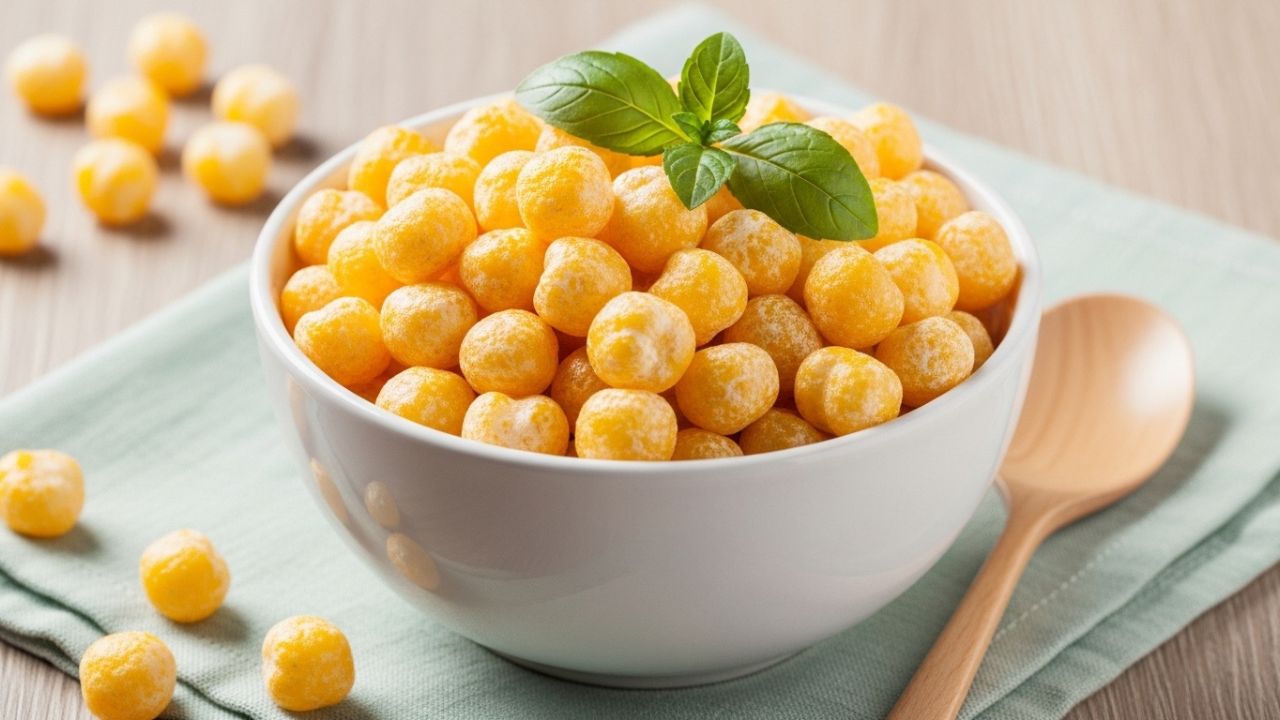
If you’ve ever walked down the canned vegetable aisle or explored the heart of a Latin American grocery store, you’ve likely seen those large, puffy white kernels labeled “hominy.” At first glance, they look like corn that has been slightly overinflated, but once you taste them, you realize they are in a league of their own. Hominy has a chewy, meaty texture and a distinctively nutty, earthy flavor that regular sweet corn simply cannot match.
For a long time, I walked past those cans without a second thought. It wasn’t until I sat down to a steaming bowl of authentic Pozole in a small family kitchen that I realized I had been missing out on one of the most transformative ingredients in the pantry. If you are just starting to experiment with international ingredients, I highly recommend you browse our home cooking collection to see how these staples can fit into your weekly meal plan.
So, what exactly is Hominy?
In its simplest form, hominy is corn. But it isn’t just any corn, and it hasn’t been treated in the usual way. It is made from dried field corn (maize) kernels that undergo an ancient process known as nixtamalization.
During this process, the dried kernels are soaked and cooked in an alkaline solution, usually made from dilute lime (calcium hydroxide) or wood ash. While that might sound like a chemistry experiment, it is a culinary tradition that dates back thousands of years to the Aztecs and Mayans. This soak does three incredible things:
- It removes the tough outer hull (the pericarp).
- It causes the kernel to puff up to twice its original size.
- It unlocks essential nutrients, specifically Niacin (Vitamin B3), which the human body cannot absorb from untreated corn.
In my experience, the flavor profile shifts entirely during this process. The corn loses its sugary sweetness and gains a complex, “tortilla-like” aroma that is deeply satisfying in savory dishes.
Canned vs. Dried: Which Should You Use?
When you decide to bring hominy into your kitchen, you’ll usually find it in two forms. After testing this several times, I’ve found that the “best” version depends entirely on how much time you have.
Canned Hominy (The Weeknight Hero)
Canned hominy is pre-cooked and ready to go. It is incredibly convenient for quick soups or stews. One trick I always use when using the canned variety is to rinse it thoroughly under cold water. The liquid in the can is often quite starchy and salty; rinsing it away allows the clean, nutty flavor of the corn to shine through without making your soup cloudy.
Dried Hominy (The Weekend Project)
Dried hominy looks like giant popcorn kernels. It requires a long soak (usually overnight) and several hours of simmering. However, the texture of dried hominy is superior—it has a “toothsome” bite that canned versions sometimes lack. If you are making a large pot of traditional stew for a crowd, the extra effort of cooking from dried is worth it.

Practical Ways to Cook with Hominy
I’ve found that many people treat hominy as a side dish, but it is much more effective when used as a foundational ingredient. Its high starch content means it acts as a natural thickener for liquids.
1. In Soups and Stews
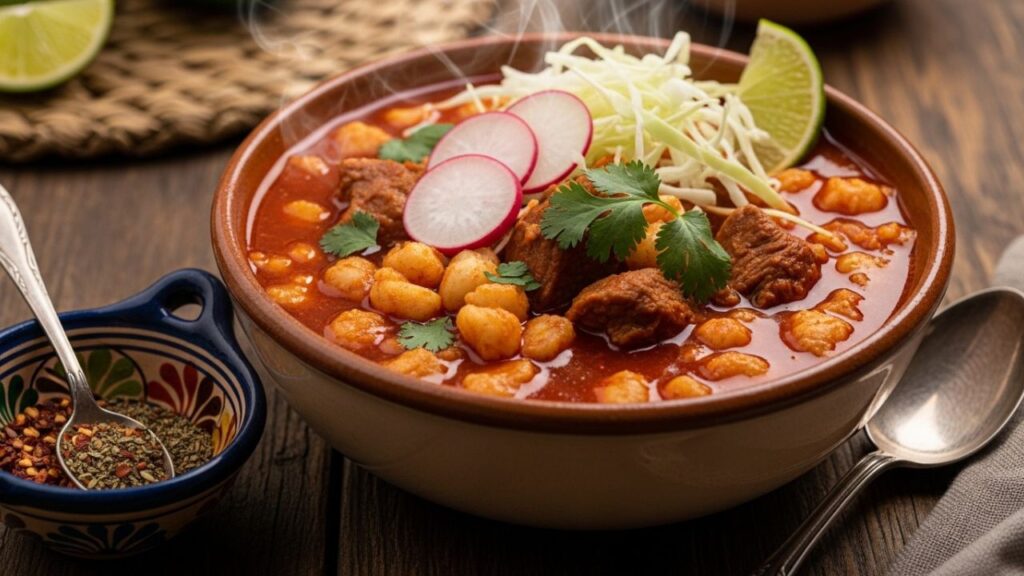
The most famous use is in Pozole, a traditional Mexican soup. The hominy acts as the “meat” of the dish, providing a satisfying chew that pairs beautifully with shredded pork or chicken and a spicy broth.
2. The Southern Favorite: Grits
Did you know that traditional Southern grits are actually made from ground hominy? This is what gives “hominy grits” their specific flavor compared to standard cornmeal.
3. Fried and Crispy
I’ve found that tossing well-dried canned hominy in a little olive oil, smoked paprika, and salt, and then roasting it in an air fryer or oven, creates an incredible snack. The outside gets crunchy while the inside stays slightly soft. It’s like a sophisticated version of a corn nut.
Common Mistakes to Watch Out For
- Treating it like Sweet Corn: Do not expect the crunch or sweetness of canned sweet corn. Hominy is starchy and savory. If you try to use it in a sweet corn pudding, the texture will be quite jarring.
- Forgetting to Season the Middle: Because the kernels are so large and dense, they need time to absorb salt. If you add them at the very end of a recipe, they will taste bland. I always add my hominy at the beginning of the simmering process so the flavor penetrates the center of the kernel.
- Under-rinsing: If you don’t rinse canned hominy, the “tinny” taste of the canning liquid can linger in your dish.

Storage and Safety Advice
Hominy is a sturdy ingredient, but it still requires proper handling to stay fresh.
- Dry Hominy: Store in a cool, dark pantry in an airtight container. It will stay good for up to a year, though older kernels may take longer to soften.
- Open Canned Hominy: Never store an open can in the fridge. Transfer the leftovers to a glass or plastic container with a little of the liquid. It will keep for 3–4 days.
- Freezing: Surprisingly, cooked hominy freezes beautifully. If you cook a large batch from dried, you can portion it into freezer bags. This is a huge time-saver for future meals.
For those interested in the nutritional breakdown and food safety standards of processed grains, the USDA FoodData Central provides comprehensive data on nixtamalized corn products.
Frequently Asked Questions
1. Is hominy gluten-free?
Yes, hominy is naturally gluten-free as it is derived entirely from corn. However, if you have a severe allergy, always check the label of canned brands to ensure no cross-contamination occurs during processing.
2. What is the difference between white and yellow hominy?
The difference is mainly the variety of corn used. White hominy is a bit more delicate and neutral, while yellow hominy has a slightly stronger corn flavor and more Vitamin A. In most recipes, they are interchangeable.
3. Can I make hominy at home from fresh corn?
It is difficult to do with “sweet corn” from the garden. You need “field corn” or “dent corn,” which is high in starch. You also need food-grade lime, which should be handled with care. For most home cooks, buying the dried or canned version is much safer and more consistent.
4. Does hominy cause digestive upset?
Actually, for many people, nixtamalization makes the corn easier to digest because the process breaks down the complex hemicellulose in the cell walls.
5. Can I use hominy in salads?
Absolutely. It is a fantastic addition to a Southwest-style salad with black beans, avocado, and a lime vinaigrette. Just make sure the hominy is fully cooked and cooled before adding.
Conclusion
Hominy is one of those rare ingredients that manages to be both humble and sophisticated. It carries the weight of history in every kernel, yet it fits perfectly into a modern, fast-paced kitchen. Whether you are thickening a chili, frying up a crispy snack, or diving into the deep tradition of Pozole, hominy provides a texture and flavor that you simply can’t get anywhere else.
Don’t let that unassuming can sit on the shelf any longer. Grab a tin, give it a good rinse, and see how this ancient “superfood” can change your cooking for the better.

Henry James is the writer behind Fooodies.site, where he shares easy recipes, practical cooking guides, and simple kitchen tips for everyday home cooks. He enjoys experimenting with flavors and turning everyday ingredients into delicious, homemade meals. His goal is to make cooking feel simple, enjoyable, and achievable for everyone. He focuses on creating clear, well-tested content that readers can trust and follow with confidence.