
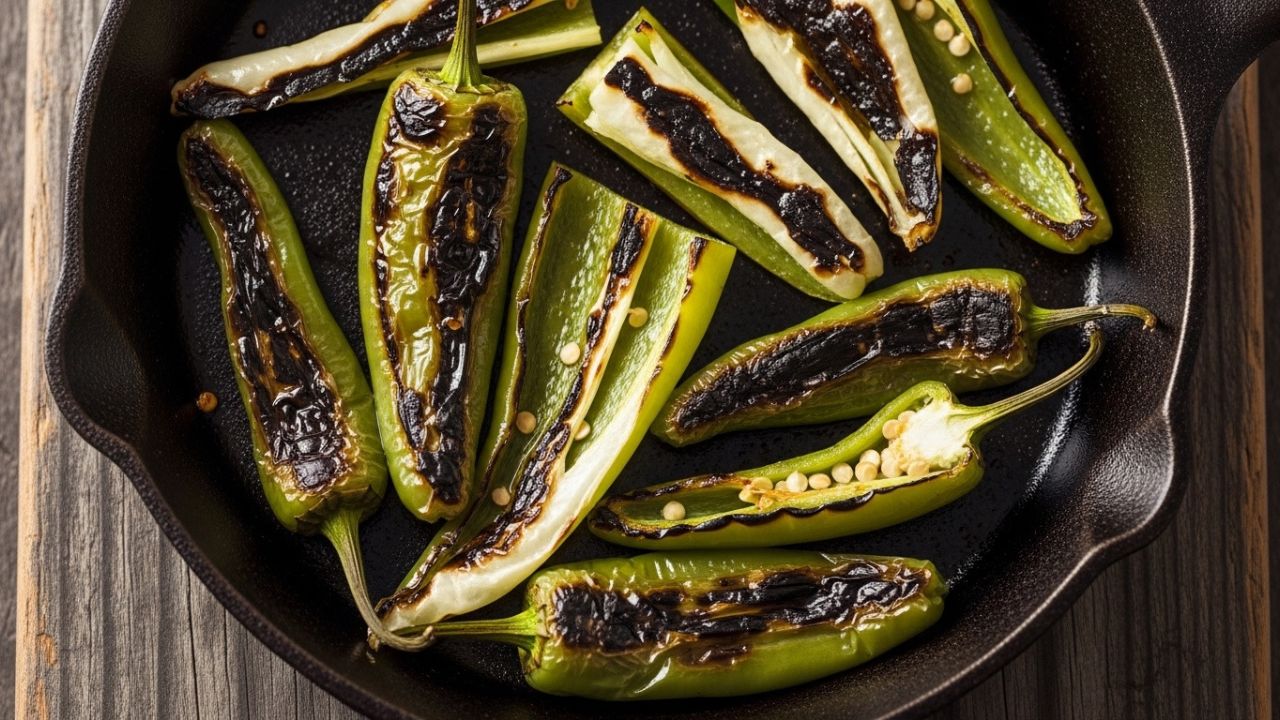
There is a specific kind of excitement that comes with serving a plate of blistered peppers. If you aren’t familiar with these slender, bright green gems, let me introduce you to my favorite “kitchen gamble.” About one in every ten of these peppers packs a surprising punch of heat, while the rest are mild, sweet, and slightly smoky. When I first made this dish, I was nervous about that occasional spice, but I quickly realized that the “roulette” aspect is exactly what makes this Shishito Peppers Recipe such a conversation starter at dinner parties.
In my experience, the best appetizers are the ones that require minimal effort but deliver maximum flavor. Shishito peppers are exactly that. They are the “low effort, high reward” kings of the produce aisle. Whether you are looking for a healthy snack to munch on while watching a movie or a sophisticated starter for a multi-course meal, mastering the char is a skill every home cook should have in their back pocket.
If you’re interested in exploring more easy-to-follow guides for impressive home-cooked meals, you should definitely browse through the collection at fooodies.site.
Why This Shishito Peppers Recipe Works
What makes this particular method stand out? It’s all about the texture. A perfect shishito should be tender enough to melt in your mouth but charred enough on the outside to provide a smoky, papery crunch. After testing this several times in my own kitchen, I’ve found that the secret isn’t just the heat—it’s the preparation of the peppers themselves.
The Three Pillars of Flavor
- High Heat: You want the pan screaming hot. We aren’t “cooking” these peppers in the traditional sense; we are searing them.
- Dry Skins: If your peppers are even slightly damp, they will steam instead of blister. Steam leads to mushy peppers, which is the only way to truly ruin this dish.
- Finishers: Salt is crucial, but the type of salt matters. I always reach for flaky sea salt to add a final crunch.
Essential Components for Success
You don’t need much for a classic Shishito Peppers Recipe, which is why the quality of each ingredient is so important.
- The Peppers: Look for firm, bright green shishitos. If they are starting to turn red, they are still edible, but they will be significantly hotter.
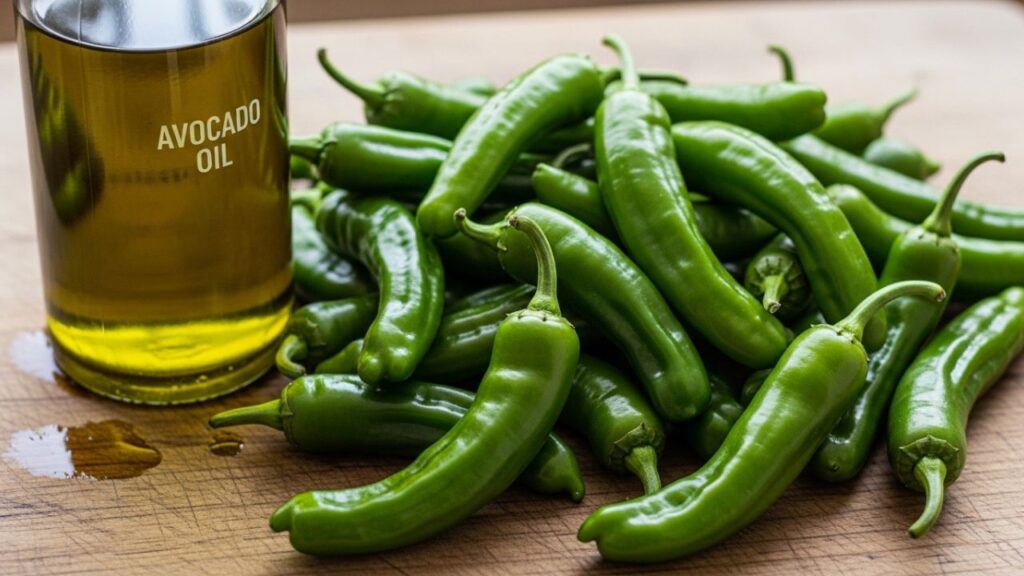
- The Oil: Use an oil with a high smoke point. Avocado oil or grapeseed oil are my favorites here. Avoid extra virgin olive oil for the high-heat searing phase, as it can turn bitter when it smokes.
- The Salt: Flaky sea salt or Maldon salt.
- The Acid: A fresh lemon wedge or a splash of rice vinegar to brighten the smoky notes.
- The Dip (Optional but Recommended): A simple garlic aioli or a ginger-soy reduction.
The Secret to the Perfect Blister: Step-by-Step
1. Preparation and the “Steam Vent”
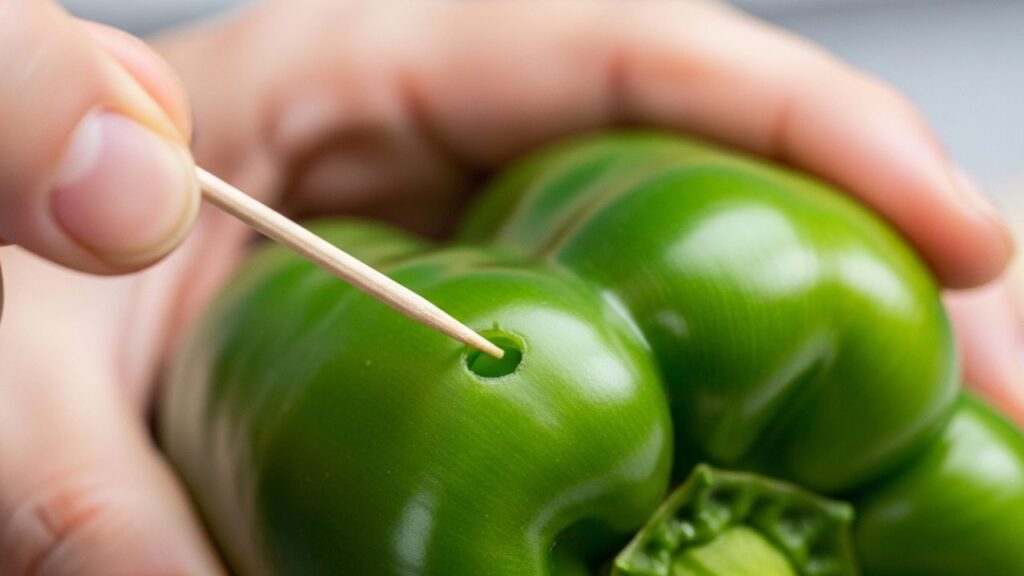
One trick I always use—and this is a game-changer—is taking a toothpick and poking a single small hole in each pepper. I’ve found that this allows steam to escape from the inside of the pepper as it heats up. Without this vent, the peppers can occasionally “pop” or explode in the pan, splashing hot oil everywhere. It takes an extra minute, but it’s worth it for safety and even cooking.
2. Getting the Pan Ready
Place a heavy-bottomed skillet (cast iron is the absolute gold standard here) over medium-high heat. Let the pan get hot for at least 3 minutes before you add a drop of oil. You want to see the oil shimmer and move like water across the surface.
3. The Sear
Add the peppers to the pan in a single layer. Don’t crowd them! If you have too many peppers, do them in two batches. Let them sit undisturbed for about 60 to 90 seconds. You’ll hear them sizzle and crackle.
4. The Toss
Once you see those beautiful white and black blisters forming on the bottom side, give the pan a toss. Continue cooking for another 2 to 3 minutes, moving them occasionally until they are charred on all sides and have started to soften and deflate slightly.
5. The Finishing Touch
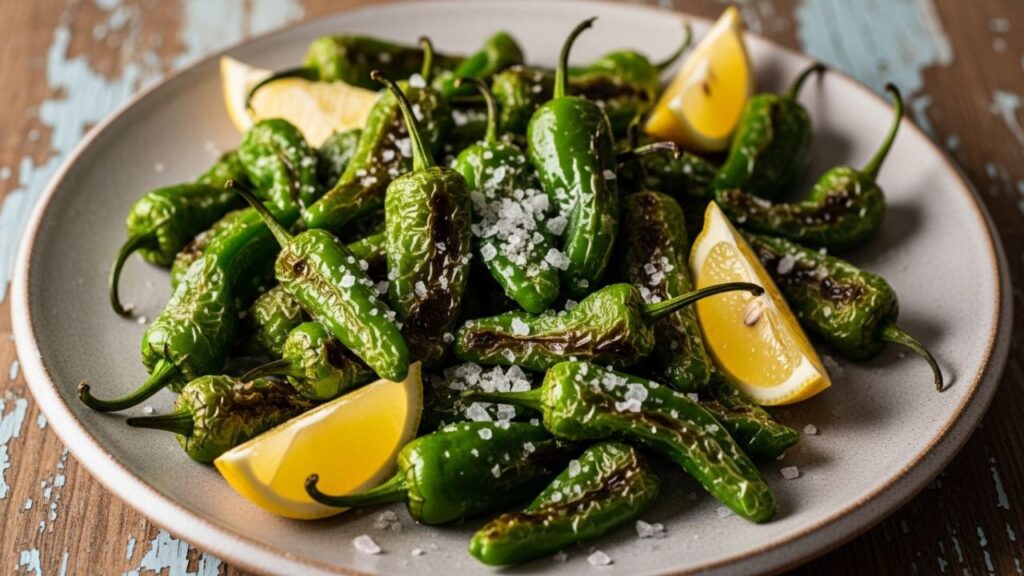
Remove the pan from the heat. While the peppers are still glistening with oil, sprinkle your flaky salt over them and squeeze fresh lemon juice over the top. The steam created by the lemon juice will help the salt stick to the charred skins.
A Cook’s Guide to Flavor Variations
While the classic salt-and-lemon combo is timeless, I love experimenting with different global profiles.
- Asian-Inspired: Toss the finished peppers with a teaspoon of toasted sesame oil, a dash of soy sauce, and a sprinkle of toasted sesame seeds.
- The “Everything” Style: Use everything bagel seasoning for a garlicky, oniony crunch that feels very modern.
- Creamy and Spicy: Serve them alongside a dip made of Greek yogurt, lime juice, and smoked paprika.
Common Mistakes to Avoid
In my experience, even a simple Shishito Peppers Recipe has a few pitfalls:
- The “Oil Bath”: Don’t use too much oil. You only need enough to lightly coat the peppers. If they are swimming in oil, they won’t blister; they’ll just get greasy.
- Lowering the Heat: If you get scared of the smoke and turn the heat down, you’ll lose that “char” flavor and end up with peppers that are cooked all the way through but remain bright green and tough.
- Oversalting Early: Only salt at the very end. Salt draws out moisture, and if you add it too early, your peppers will get watery in the pan.
Storage and Reheating Realities
I’ll be honest: shishito peppers are best eaten within ten minutes of leaving the pan. As they sit, they lose their crispness and become somewhat chewy.
However, if you do have leftovers, they can be kept in the fridge for about two days. To reheat them, don’t use the microwave! Toss them back into a hot, dry skillet for a minute or two to regain some of that texture. For more information on safely storing and reheating vegetables, the Partnership for Food Safety Education provides excellent peer-reviewed resources.
Frequently Asked Questions
1. Are shishito peppers actually spicy?
Most are very mild, similar to a bell pepper but with a bit more earthiness. However, roughly 10% carry a heat level comparable to a mild jalapeño. It’s a fun surprise!
2. Can I make this in an air fryer?
Yes! Toss the peppers with oil and salt, then air fry at 400°F for about 6-8 minutes, shaking halfway through. You won’t get the same deep char as a cast iron skillet, but it’s a great oil-free-ish alternative.
3. What is the difference between Shishito and Padron peppers?
Padron peppers are from Spain and are generally slightly shorter and more robust. They have a similar “heat roulette” but tend to be a bit more bitter than the sweet Shishito.
4. Should I remove the stems?
No, the stems are the “handle” for eating! You simply grab the stem, bite off the pepper, and discard the top.
5. Where can I find shishito peppers?
They are increasingly common in standard grocery stores, usually in the bagged produce section. If not, Asian markets almost always carry them year-round.
Wrapping Up the Perfect Char
Ultimately, this Shishito Peppers Recipe is about embracing the beauty of simple ingredients. It’s a dish that celebrates high-heat technique and the natural flavor of the vegetable. Once you get comfortable with the sound of the sizzle and the sight of those white blisters, you’ll find yourself grabbing a bag of these every time you see them at the market.
Whether you’re dipping them in a spicy mayo or eating them plain with a cold drink, they are the ultimate snack. So, get that pan hot, vent your peppers, and enjoy the delicious gamble of the shishito!

Henry James is the writer behind Fooodies.site, where he shares easy recipes, practical cooking guides, and simple kitchen tips for everyday home cooks. He enjoys experimenting with flavors and turning everyday ingredients into delicious, homemade meals. His goal is to make cooking feel simple, enjoyable, and achievable for everyone. He focuses on creating clear, well-tested content that readers can trust and follow with confidence.