
There is something almost transformative about the way an eggplant behaves when it meets high heat and a little bit of fat. When I first made this dish years ago, I was convinced that eggplant was only good when fried to a crisp or layered in a heavy parmigiana. I couldn’t have been more wrong. After testing this several times in my own kitchen, I discovered that when you treat eggplant correctly, it loses that spongy, bitter reputation and becomes something entirely different: a velvety, smoky base that creates the most incredible sauce. This Creamy Eggplant Pasta Recipe is the result of those experiments. It’s a dish that feels high-end and sophisticated, yet it comes together in the time it takes to boil a pot of water.
If you’re looking for more inspiration for your weekly meal rotation, you can find a variety of kitchen-tested ideas at fooodies.site.
The Secret to Better Eggplant Texture
In my experience, the biggest hurdle people face with eggplant is the moisture. If you just toss raw cubes into a pan, they often soak up oil like a dry sponge and end up feeling greasy rather than creamy.
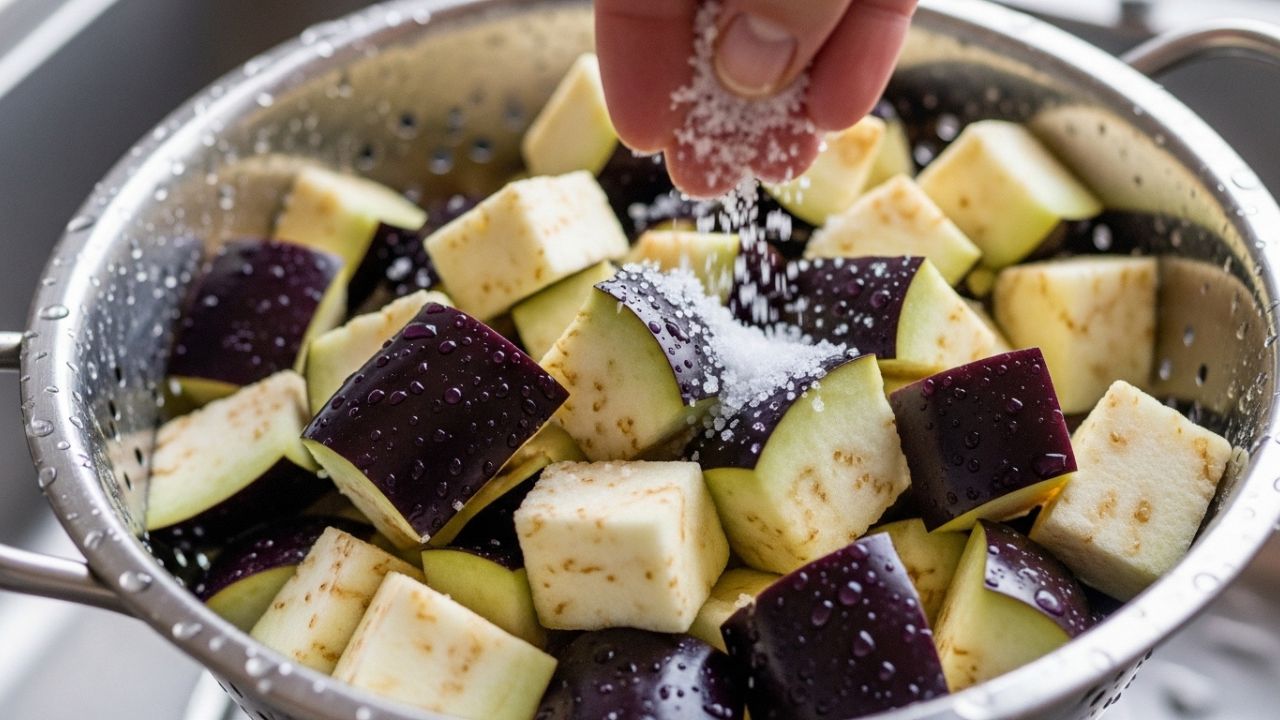
One trick I always use is the “pre-salt” method. By slicing your eggplant and sprinkling it with a bit of salt for about 15 minutes before cooking, you draw out the excess water. You’ll see little beads of moisture forming on the surface. Pat these dry with a paper towel, and you’re ready to go. This simple step ensures that the eggplant browns beautifully in the pan, developing those deep, caramelized notes that are essential for a rich pasta sauce.
What You’ll Need for This Dish
While the eggplant is the star, the supporting cast is just as important. For this recipe, I prefer a short, tubular pasta like rigatoni or penne. These shapes have “nooks and crannies” that catch the sauce, ensuring every bite is loaded with flavor.
- Eggplant: Look for firm, shiny globes. The skin should be taut, not wrinkled.
- Aromatics: Plenty of fresh garlic and a small shallot. Shallots provide a more delicate sweetness than white onions.
- The Cream Element: I use heavy cream for the most indulgent result, but a full-fat coconut milk also works surprisingly well for a dairy-free twist.
- Herbs: Fresh basil is non-negotiable here. It cuts through the richness of the cream.
- Acidity: A splash of balsamic vinegar or a squeeze of lemon at the very end brightens the whole plate.
Step-by-Step: Bringing the Sauce Together
1. Searing the Eggplant
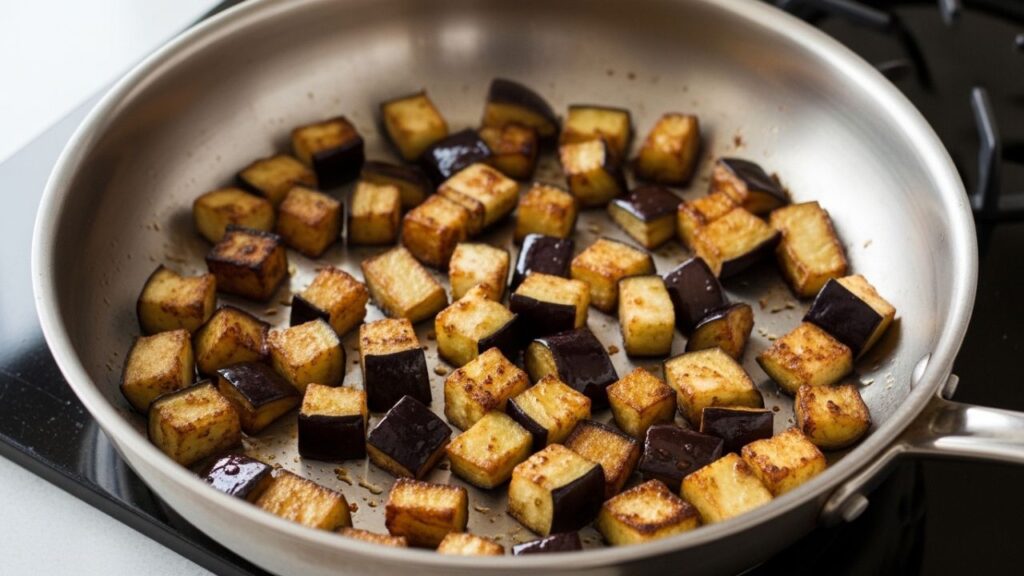
Start by heating a generous amount of olive oil in a wide skillet. You want the eggplant to sizzle the moment it hits the pan. I’ve found that working in batches is better than crowding the pan; if the pan is too full, the eggplant will steam rather than sear. Aim for a deep golden brown on all sides.
2. Building the Flavor Base
Once the eggplant is tender and browned, I like to push it to the edges of the pan and add the shallots and garlic to the center. Sauté them until they are fragrant and translucent. If you like a bit of heat, this is the perfect time to add a pinch of red pepper flakes.
3. The Deglazing Phase
To get all those flavorful brown bits (the fond) off the bottom of the pan, pour in a splash of vegetable stock or even a little pasta water. Scrape the pan with a wooden spoon. This is where the “soul” of the sauce lives.
4. Creating the Creamy Finish
Turn the heat down to low and pour in your cream. Stir gently as the sauce thickens and begins to coat the eggplant. As the eggplant simmers in the cream, it begins to break down slightly, naturally thickening the sauce and infusing it with its smoky essence.
5. The Marriage of Pasta and Sauce
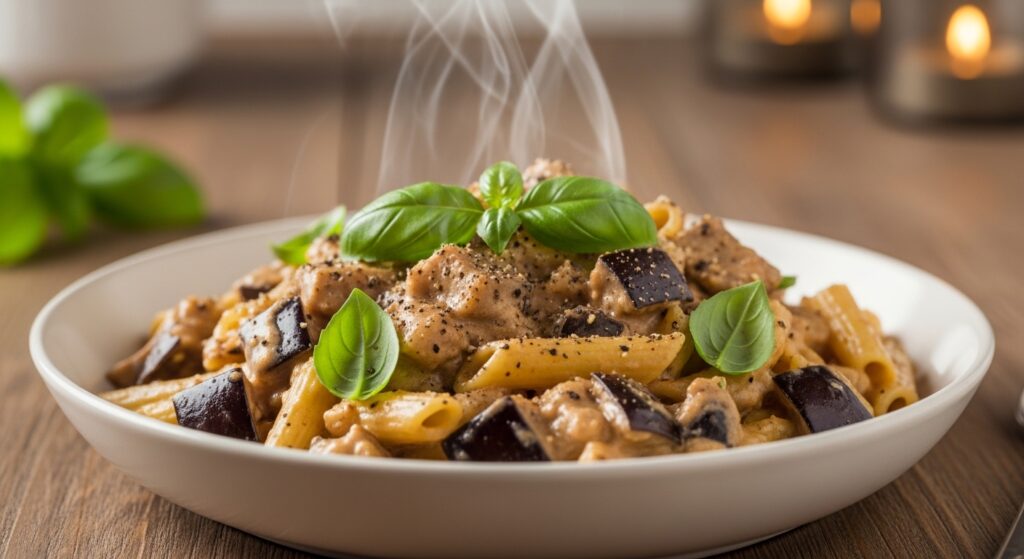
Always undercook your pasta by about one minute. Transfer the noodles directly from the boiling water into the skillet. Add a ladle of that starchy pasta water—it acts as an emulsifier, helping the sauce cling to the pasta like a velvet blanket.
Pro Tip: Never rinse your pasta! That starch on the surface of the noodles is what allows this Creamy Eggplant Pasta Recipe to achieve its signature silky consistency.
Ways to Customize Your Bowl
I’m a firm believer that a recipe should be a roadmap, not a cage. Depending on what I have in my pantry, I often vary the flavor profile:
- The Cheesy Route: Stir in a handful of freshly grated Pecorino Romano or Parmesan right before serving. The saltiness of the cheese balances the sweetness of the roasted eggplant perfectly.
- The Nutty Crunch: I sometimes top my bowl with toasted pine nuts or walnuts. The contrast in texture between the soft eggplant and the crunchy nuts is delightful.
- The Veggie Boost: If I have some baby spinach or kale that needs using, I’ll toss it in at the very end. The residual heat wilts the greens perfectly without overcooking them.
Common Pitfalls to Avoid
When I first started experimenting with this Creamy Eggplant Pasta Recipe, I made a few mistakes that I want to help you avoid.
First, don’t be afraid of oil. Eggplant requires a decent amount of fat to cook properly. If the pan looks dry, add another tablespoon of olive oil. Second, don’t rush the browning. The flavor of this dish relies on the caramelization of the eggplant. If the eggplant is pale and white, the sauce will taste bland.
Lastly, watch your salt. If you pre-salted your eggplant, remember that it has already absorbed some salt. Taste the sauce before adding more to the final dish.
Storage and Reheating
This pasta stores quite well in the refrigerator for up to three days. However, because it is a cream-based sauce, it tends to thicken significantly as it cools.
When reheating, I suggest adding a tablespoon of water or milk to the bowl before microwaving or heating on the stovetop. This helps “loosen” the sauce back to its original creamy state. For more information on safe food storage temperatures and practices, you can consult USDA Food Safety guidelines.
Frequently Asked Questions
1. Can I use frozen eggplant for this recipe?
While you can, I wouldn’t recommend it. Frozen eggplant often becomes too mushy when thawed. For the best texture in this Creamy Eggplant Pasta Recipe, fresh is definitely the way to go.
2. Is it necessary to peel the eggplant?
It’s a matter of preference! If you are using a large “globe” eggplant, the skin can sometimes be a bit tough. I usually peel “stripes” off the eggplant so some skin remains for color and nutrition, but it’s not overly chewy.
3. What is the best way to cook the eggplant without it getting oily?
If you are worried about oil, you can toss the cubed eggplant in a small amount of oil and roast it in the oven at 400°F (200°C) until golden before adding it to your cream sauce.
4. Can I make this recipe vegan?
Absolutely. Use a high-quality cashew cream or full-fat coconut milk instead of heavy cream. The eggplant provides enough savory depth that you won’t feel like you’re missing out.
5. Which pasta shape is best?
I recommend Rigatoni, Penne, or Fusilli. These shapes are excellent at holding onto thick, creamy sauces.
Final Thoughts
Cooking at home shouldn’t be stressful; it should be an exploration of flavors. This Creamy Eggplant Pasta Recipe is one of those dishes that proves you don’t need a long list of ingredients to make something spectacular. It’s about technique, patience, and a little bit of love for the ingredients.
Whether you’re cooking for a crowd or just treating yourself to a solo dinner, this pasta provides a sense of comfort that few other dishes can match. Give it a try, lean into the process, and don’t forget to enjoy that first, creamy bite!