
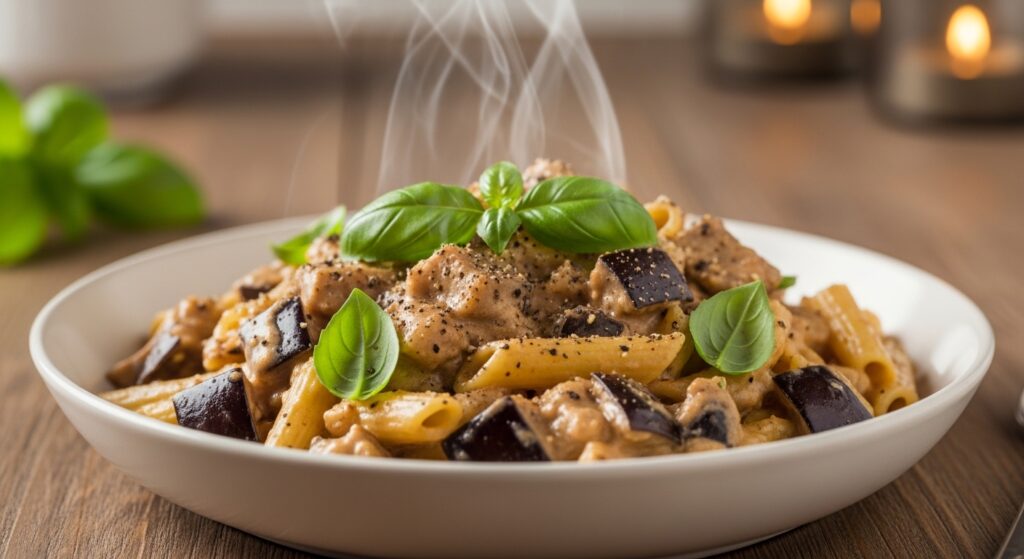
This creamy eggplant pasta has become one of my favorite comfort meals. It feels rich and indulgent, yet it’s still simple enough to prepare on a busy weeknight. The combination of soft eggplant, silky sauce, and warm pasta makes it especially satisfying when you want something cozy and homemade.
The Secret to Better Eggplant Texture
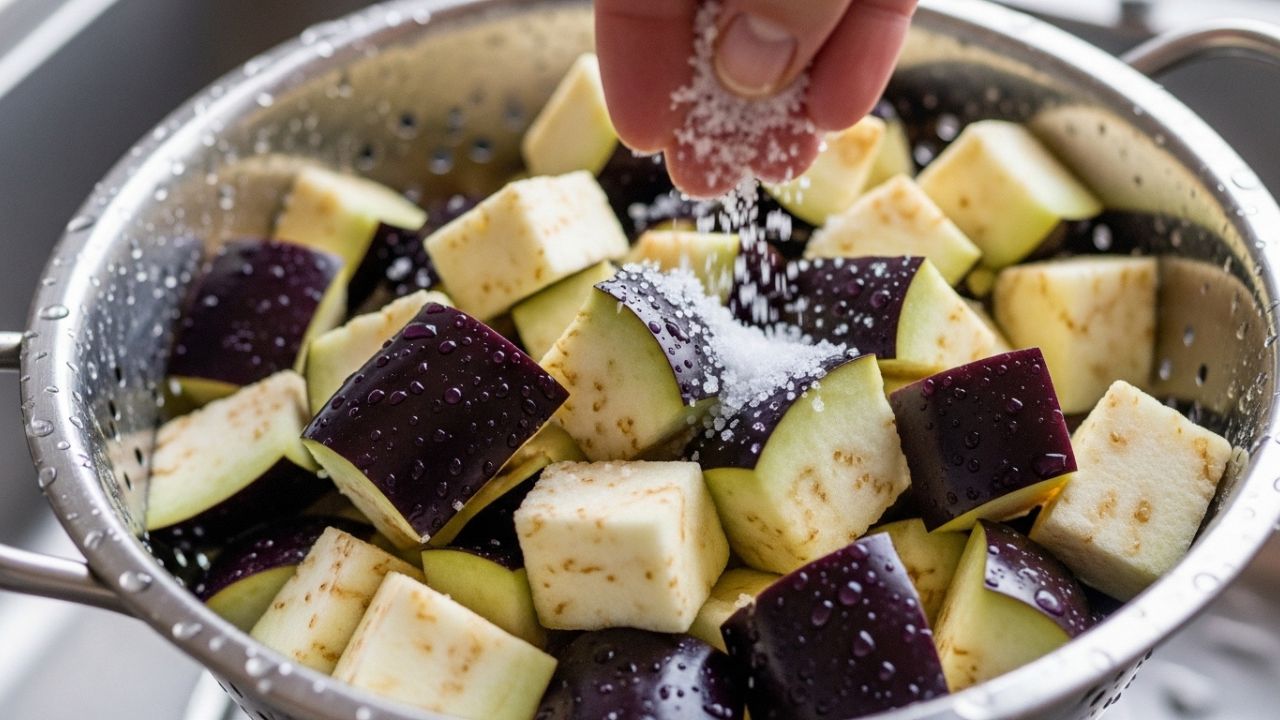
The biggest challenge with eggplant is managing its moisture. If it’s not prepared correctly, it can absorb too much oil and turn heavy instead of silky.One simple trick is salting the eggplant before cooking. Slice it into cubes, sprinkle lightly with salt, and let it sit for about 15–20 minutes. You’ll notice moisture beads forming on the surface. Pat the pieces dry before cooking. This step helps the eggplant brown properly and develop a deeper, more concentrated flavor instead of becoming soggy.
What You’ll Need for This Dish
Eggplant is the star here, but the supporting ingredients are just as important for building flavor.
- Eggplant: Choose firm, glossy eggplants with smooth skin.
- Pasta: Short shapes like rigatoni or penne work best because they hold onto the sauce.
- Aromatics: Garlic and shallots add depth and gentle sweetness.
- Cream Element: Heavy cream creates a rich sauce, though coconut milk can be used for a dairy-free version.
- Herbs: Fresh basil adds brightness and balances the richness.
- Acidity: A small splash of lemon juice or balsamic vinegar lifts the final flavor.
Bringing the Sauce Together
1. Searing the Eggplant
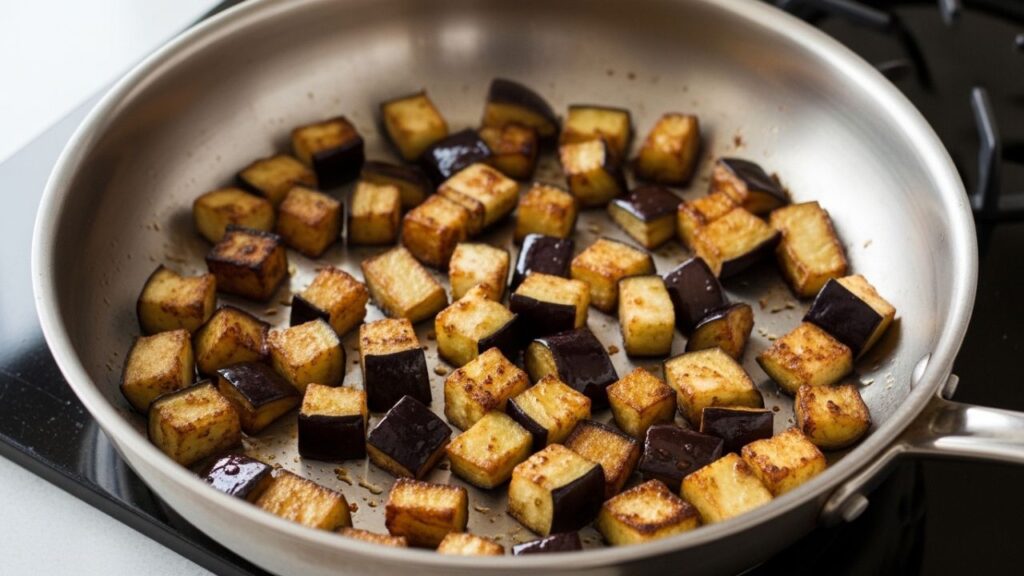
Heat a generous amount of olive oil in a large skillet. Add the eggplant in batches, making sure not to overcrowd the pan. Allow it to brown deeply on all sides. This step builds the smoky base of the dish.
2. Building the Flavor Base
Once the eggplant is soft and golden, push it to the sides of the pan. Add garlic and shallots to the center and sauté until fragrant. This creates a layered flavor base that complements the eggplant.
3. The Deglazing Phase
Pour in a small splash of vegetable stock or reserved pasta water to loosen the browned bits from the pan. Stir well, as this adds depth and richness to the sauce.
4. Creating the Creamy Finish
Lower the heat and stir in the cream. Let it gently simmer so it thickens slightly and coats the eggplant. As it cooks, the eggplant will soften further, helping to naturally thicken the sauce.
5. The Marriage of Pasta and Sauce
Cook your pasta until just under al dente, then transfer it directly into the pan. Add a bit of reserved pasta water and toss everything together until the sauce clings to the pasta. The starch helps create a silky, cohesive texture.
Ways to Customize Your Bowl
This recipe is flexible and works well with a variety of additions, and it pairs especially well with homemade gourmet salad recipes for a balanced meal.
- Cheesy version: Add Parmesan or Pecorino for extra richness and saltiness.
- Crunchy topping: Toasted walnuts or pine nuts add texture contrast.
- Greens boost: Stir in spinach or kale at the end for added nutrition and color.
Common Pitfalls to Avoid
One common mistake is using too little oil. Eggplant needs enough fat to cook properly and develop flavor. Another issue is rushing the browning process. If the eggplant doesn’t caramelize, the final dish will taste flat instead of rich and complex. Finally, be mindful of salt. Since the eggplant is pre-salted, always taste the sauce before adding more seasoning at the end.
Storage and Reheating
This pasta keeps well in the refrigerator for up to three days. As it cools, the sauce will thicken. When reheating, add a small splash of water or milk to loosen the sauce and restore its creamy texture. Heat gently on the stove or in the microwave, stirring occasionally for even warming.
Final Thoughts
Cooking at home should feel enjoyable and rewarding, not complicated. This creamy eggplant pasta is proof that simple ingredients, when handled properly, can create something deeply satisfying. It’s rich, comforting, and perfect for both quiet nights and shared meals, especially when paired with simple killer appetizer recipes for effortless entertaining. Take your time with the eggplant, let it brown properly, and you’ll be rewarded with a dish full of flavor and warmth.
Frequently Asked Questions
1. Can I use frozen eggplant?
Fresh eggplant is strongly recommended. Frozen eggplant tends to become too soft and watery after cooking.
2. Do I need to peel the eggplant?
Not necessarily. You can partially peel it in stripes if you prefer a softer texture while still keeping some skin for color and structure.
3. How do I prevent eggplant from absorbing too much oil?
Salting it beforehand helps reduce moisture. Also, make sure the pan is hot so the eggplant sears quickly instead of soaking up oil.
4. Can this recipe be made vegan?
Yes. Substitute heavy cream with coconut milk or cashew cream. The eggplant provides enough richness on its own.
5. Which pasta works best?
Short pasta like rigatoni, penne, or fusilli works best because it holds onto the creamy sauce.

Henry James is the writer behind Fooodies.site, where he shares easy recipes, practical cooking guides, and simple kitchen tips for everyday home cooks. He enjoys experimenting with flavors and turning everyday ingredients into delicious, homemade meals. His goal is to make cooking feel simple, enjoyable, and achievable for everyone. He focuses on creating clear, well-tested content that readers can trust and follow with confidence.