
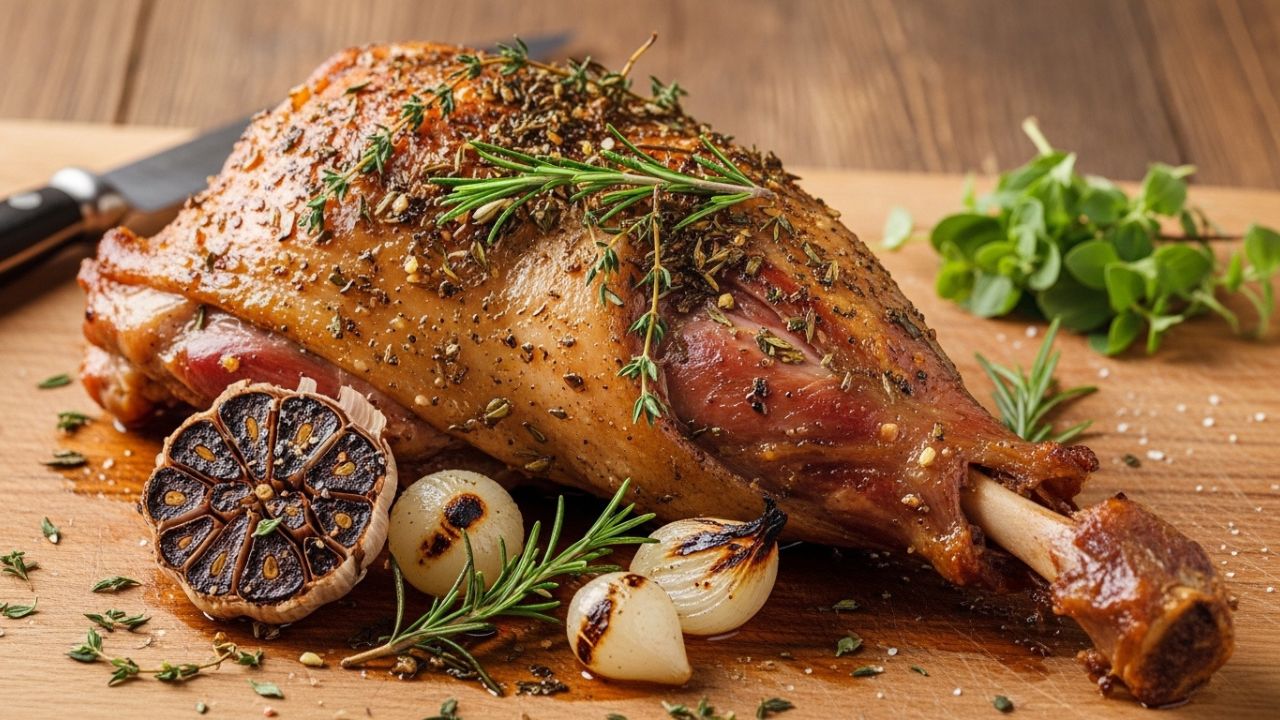
If you’ve ever wandered through a high-end butcher shop or a bustling international market, you might have found yourself staring at a magnificent cut of meat, wondering if you have the culinary chops to pull it off. I’m talking about the humble yet majestic leg of goat. For many home cooks, goat meat—often referred to as chevon or cabrito—remains a bit of a mystery, overshadowed by its more common cousins, beef and lamb. But let me tell you, once you understand the rhythm of cooking goat legs, you unlock a world of deep, earthy flavors that lamb simply can’t replicate.
Growing up, my kitchen was a laboratory of scents, but nothing quite matched the aroma of a slow-braising roast filling the house on a rainy Sunday. Goat is leaner than almost any other red meat, which makes it a healthy choice, but also a slightly temperamental one if you aren’t careful. It demands patience and a little bit of fat to reach that “fall-apart” stage we all crave. Whether you are hosting a festive dinner or just looking to expand your protein horizons, learning the nuances of this cut is a game-changer. If you are also interested in exploring other unique protein preparations, you might enjoy reading about perfectly seared venison backstrap techniques to broaden your wild game repertoire.
Setting the Stage: Preparation Basics
Before we dive into the heat of the oven, let’s look at the logistics. Preparing a whole leg isn’t a “thirty-minute meal” endeavor; it’s a project of love.
- Prep time: 30 minutes (plus optional overnight marination)
- Cook time: 4 to 5 hours
- Total time: Approx. 5 hours 30 minutes
- Serving size: 6–8 people
The Shopping List: What You’ll Need
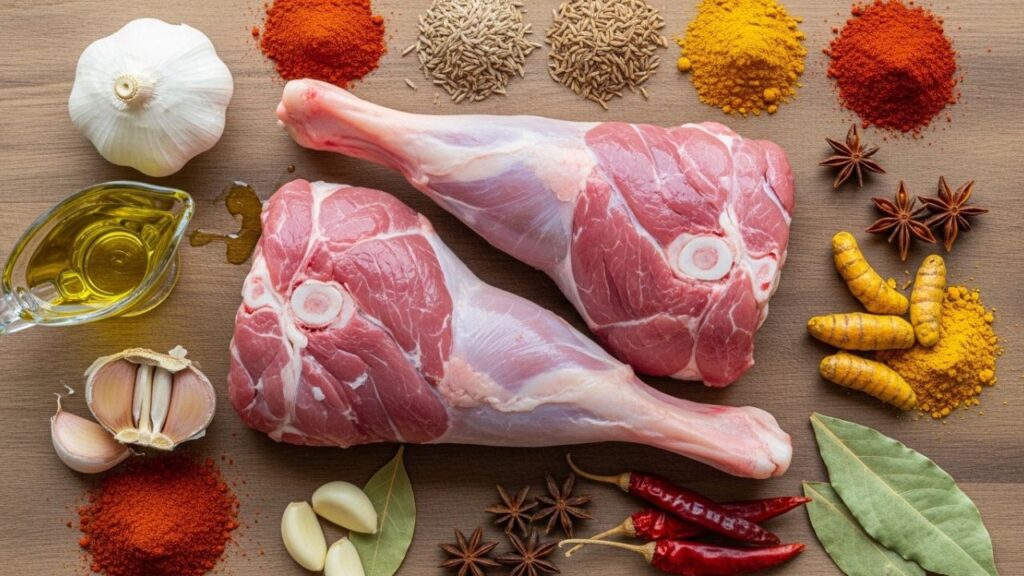
To get the best results, you want a leg that weighs between 5 and 7 pounds. If it’s too small, it can dry out quickly; too large, and it might not fit in a standard roasting pan.
The Main Event:
- 1 whole goat leg (bone-in is essential for flavor and moisture)
The Aromatic Rub:
- 6 cloves of garlic, minced into a paste
- 3 tablespoons of extra virgin olive oil
- 2 tablespoons of coarse sea salt
- 1 tablespoon of cracked black pepper
- 1 tablespoon of smoked paprika
- 2 teaspoons of ground cumin
- 1 teaspoon of dried oregano
The Braising Liquid:
- 2 cups of beef or vegetable stock
- 1 cup of dry red wine (like a Malbec or Syrah)
- 2 large onions, quartered
- 3 carrots, cut into thick chunks
- A handful of fresh rosemary and thyme sprigs
Transforming the Tough into the Tender
The secret to a successful goat legs roast lies in the “low and slow” philosophy. Because goat is so lean, high heat is your enemy—it will tighten the muscle fibers into something resembling a hiking boot. We want to avoid that at all costs.
1. The Preparation:
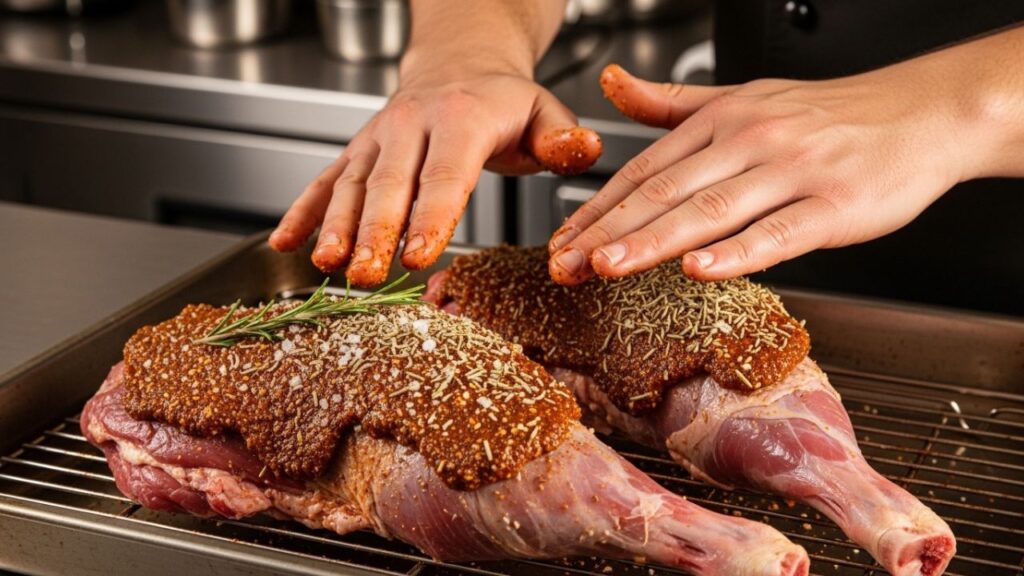
Start by patting the meat dry with paper towels. This is a crucial step; moisture on the surface will steam the meat rather than sear it. Using a sharp paring knife, make small incisions (about an inch deep) all over the leg. Stuff these little pockets with bits of your garlic paste. This ensures the flavor penetrates deep into the muscle. Rub the entire goat legs generously with your spice blend, massaging it into every nook and cranny. If you have the time, let it sit in the fridge uncovered for at least 4 hours to dry-brine.
2. The Initial Sear:
While you can go straight to the oven, I prefer a quick sear. Heat a large skillet (or your roasting pan if it’s stovetop-safe) with a splash of oil. Brown the leg on all sides until a golden crust forms. This develops the Maillard reaction, which is a fancy way of saying “it makes it taste savory and delicious.”
3. The Braise:
Preheat your oven to 300°F (150°C). Place the onions, carrots, and herbs at the bottom of a heavy roasting pan. Set the leg on top of this vegetable “trivet.” Pour the stock and wine into the bottom of the pan—don’t pour it over the meat, or you’ll wash off that beautiful rub. Cover the pan tightly with heavy-duty aluminum foil or a well-fitting lid. You want to create a sealed environment where the steam can work its magic.
As the meat cooks, the connective tissues in the goat legs slowly break down into gelatin. This is what provides that rich, silky mouthfeel. For those who love exploring the science behind tenderizing different cuts, checking out our comprehensive guide to slow-cooking tough meats can offer even more insight into why this process works so well.
4. The Finish:
After about 4 hours, check the internal temperature. You are looking for about 175°F to 180°F for meat that pulls away easily from the bone. For the final 20 minutes, remove the foil and turn the heat up to 400°F to crisp up the exterior.
Pro Tips for the Home Chef
- Acidity is Key: Goat has a distinct, slightly gamey flavor. Adding a splash of lemon juice or a dash of vinegar to your braising liquid helps balance the richness.
- The Rest Period: Never, ever slice into the meat immediately. Let it rest for at least 20 to 30 minutes. This allows the juices to redistribute. If you cut too soon, all that moisture ends up on the cutting board instead of in your mouth.
- Fat Content: If your leg is exceptionally lean, you can “lard” it by draping a few strips of bacon over the top during the roasting process to provide a self-basting fat source.
Serving Suggestions and Sidekicks
How you serve this depends on the vibe of your dinner. In many Mediterranean cultures, roasted goat is served over a bed of lemon-infused rice or alongside crispy roasted potatoes that have soaked up the pan drippings.
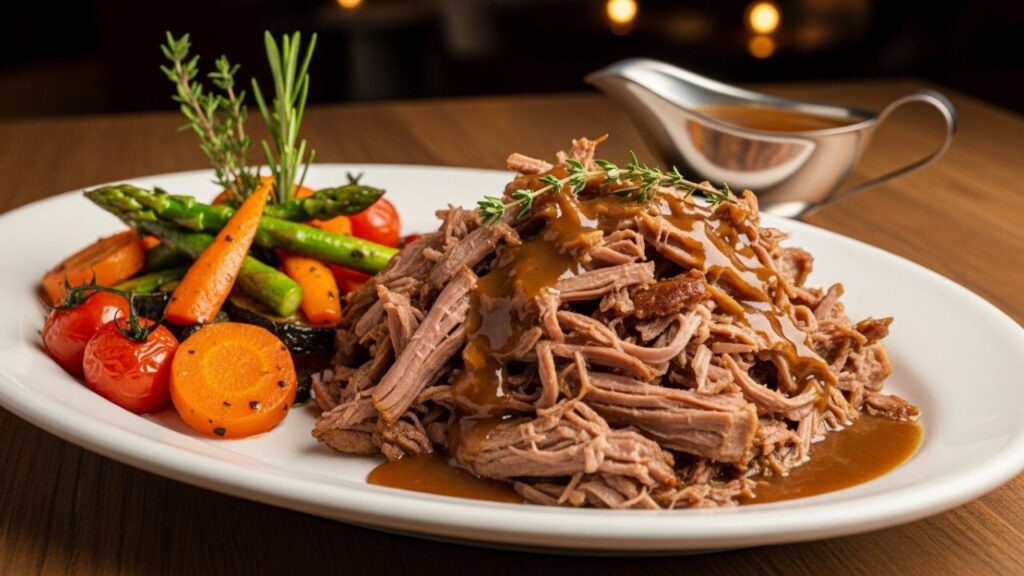
If you want a more modern approach, shred the meat and serve it in warm corn tortillas with pickled red onions and a dollop of crème fraîche. The earthy flavor of the meat pairs beautifully with bright, acidic toppings. To round out the meal, you might consider preparing refreshing seasonal side salads to cut through the heartiness of the roast.
Storage and the Beauty of Leftovers
Leftover goat meat is a gift that keeps on giving.
- Storage: Keep leftover meat in an airtight container in the refrigerator for up to 4 days.
- Freezing: You can freeze the cooked meat (off the bone) for up to 3 months. Just ensure it’s wrapped tightly to avoid freezer burn.
- Reheating: To prevent drying out, reheat the meat in a pan with a little bit of the leftover braising liquid or a splash of broth. Cover it and heat on low until warmed through. Avoid the microwave if possible, as it tends to turn the meat rubbery.
Frequently Asked Questions
Is goat meat tougher than lamb?
Generally, yes. goat legs is leaner and has more connective tissue, which is why it requires longer, slower cooking times at lower temperatures. If you cook it like a medium-rare steak, it will likely be quite chewy.
Does goat meat taste “gamey”?
It has a stronger flavor than beef, often described as earthy or sweet. The “gameyness” is usually less intense than mutton but more pronounced than lamb. Marinating with garlic, lemon, and herbs effectively mellows this out.
Can I cook a goat leg in a slow cooker?
Absolutely. Follow the same prep steps and cook on “Low” for 8–10 hours. You won’t get the crispy exterior, but the meat will be incredibly tender.
Where can I buy a whole goat leg?
Check with local Halal butchers, Mexican carnicerias, or specialty farm-to-table meat purveyors. It is becoming increasingly common in standard grocery stores with expanded international sections.
A Final Thought
Cooking goat legs is an exercise in mindfulness. It’s about stepping away from the “fast food” mentality and embracing a slower pace of life. There is something deeply satisfying about pulling a heavy pan out of the oven, lifting the lid, and seeing the meat literally falling off the bone. It’s a dish that commands respect and usually results in a very quiet dinner table—not because people aren’t talking, but because they’re too busy enjoying every savory bite. So, the next time you see this cut at the market, don’t walk past. Bring it home, give it some time, and let it surprise you.
