
If there is one thing I’ve learned from years of working around a floured countertop, it’s that pizza dough is one of the most underrated blank canvases in the kitchen. Most people immediately think of sauce, cheese, and a classic round pizza. While there’s nothing wrong with that, limiting yourself to just pizza is like owning a Swiss Army knife and only ever using it for cutting bread.
Pizza dough is a simple yeasted dough made from flour, water, yeast, salt, and sometimes olive oil or a touch of sugar. Its strength lies in its elasticity, which allows it to stretch, trap air, and bake into a beautifully golden crust. Whether homemade or store-bought, it can easily be transformed into a wide variety of creative dishes beyond pizza, including easy appetizer ideas that delight guests at any gathering. In this guide, we’ll explore how this simple dough can be reshaped into entirely new meals. From savory snacks to sweet treats, understanding how dough behaves will help you reduce waste and expand your everyday cooking ideas.
Understanding the Versatility of Yeasted Doughs
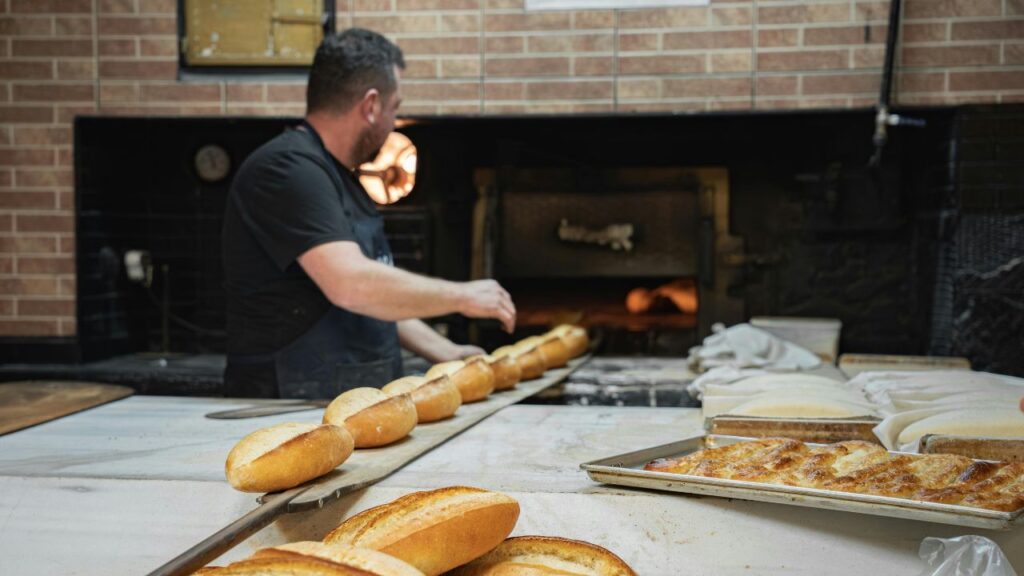
At its core, pizza dough is a highly adaptable base. Unlike pastry doughs that rely on butter for flakiness or cake batters that depend on chemical leaveners, pizza dough builds structure through gluten development. Understanding basic baking terms and techniques can help you master this process more efficiently. This gluten network is what allows it to stretch thin without tearing while still holding the gases produced during fermentation.
When you start experimenting with pizza dough, you begin to understand how temperature, fermentation, and handling affect its texture. Rolled thin and baked hot, it becomes crisp. Left thicker or shaped into a tin, it turns soft and bread-like. This flexibility is what makes it such a useful foundation for so many recipes. A simple comparison helps illustrate this: the same dough that creates a thin, crisp base for pizza can also become a fluffy loaf or soft dinner rolls depending on how it is shaped and baked.
Innovative Ways to Transform Your Dough
The most effective way to think about pizza dough is not as a flat base, but as a versatile material—something that can be wrapped, braided, stuffed, or shaped into entirely new forms.
The Art of the Stuffed Vessel
One of the easiest transformations is turning dough into filled pockets like calzones or stuffed rolls. The dough’s elasticity makes it ideal for enclosing ingredients like cheese, vegetables, or meats without breaking. The key is sealing the edges properly so steam does not escape during baking, which helps prevent leaks.
Savory Bread Substitutions
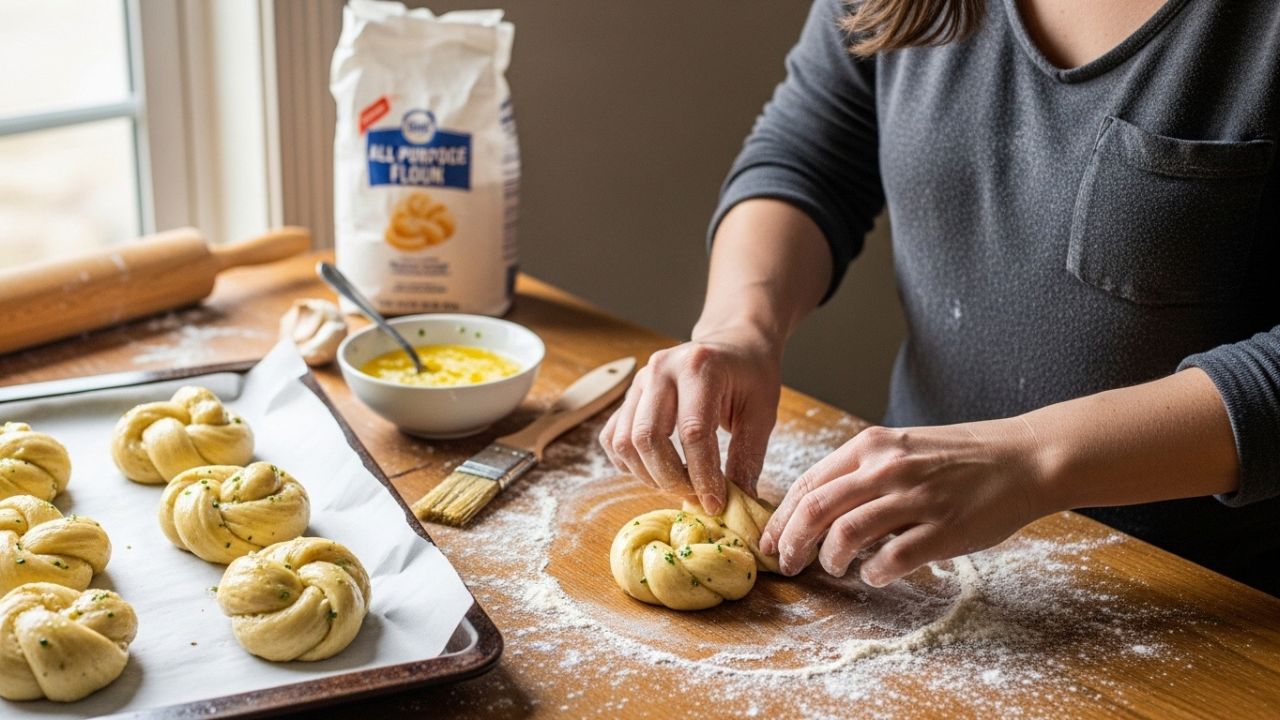
Pizza dough also works beautifully as a base for rustic breads. When baked in an oiled tray, it can be transformed into focaccia-style bread with a soft interior and crisp exterior. Dimpling the surface with your fingers allows olive oil, herbs, and garlic to pool into flavorful pockets. It can also be shaped into garlic knots, which bake into soft, buttery bites with a golden crust.
Sweet Applications
Because pizza dough has a mild flavor, it can easily be adapted into sweet recipes. When coated with cinnamon sugar and butter, rolled, and baked, it produces a rustic version of cinnamon rolls. While the texture is slightly denser than traditional enriched doughs, it offers a pleasantly chewy, bakery-style bite.
How to Handle Dough for Non-Pizza Uses
Because pizza dough has a mild flavor, it can easily be adapted into sweet recipes. When coated with cinnamon sugar and butter, rolled, and baked, it produces a rustic version of cinnamon rolls. While the texture is slightly denser than traditional enriched doughs, it offers a pleasantly chewy, bakery-style bite.
Pro Tips for the Home Kitchen
- Using a few simple techniques can significantly improve your results when working with pizza dough in creative ways.
- A cast iron pan is especially useful for even baking and consistent heat retention, particularly for thicker dough-based dishes. Even baking ensures the inside cooks through properly while the outside develops a golden crust.
- Brushing dough with an egg wash before baking gives it a glossy, bakery-style finish. A simple mix of egg and water creates a rich golden surface.
- You can also enhance flavor by kneading herbs, garlic, or spices directly into the dough before shaping, ensuring the taste is distributed throughout every bite.
Common Pitfalls to Avoid
One of the most common mistakes is overfilling dough-based dishes. While it’s tempting to add extra cheese or sauce, too much moisture can cause leaks or a soggy bottom. Pre-cooking watery vegetables like mushrooms or spinach helps avoid this problem.
Another issue is incorrect baking temperature. Thin dough works well at high heat, but thicker creations need lower temperatures and longer baking times to cook evenly inside. Checking doneness with a thermometer ensures the center is fully baked and safe to eat. Overworking the dough during shaping can also lead to a dense, tough texture. Handling it gently preserves its softness.
Storage and Preparation Advice
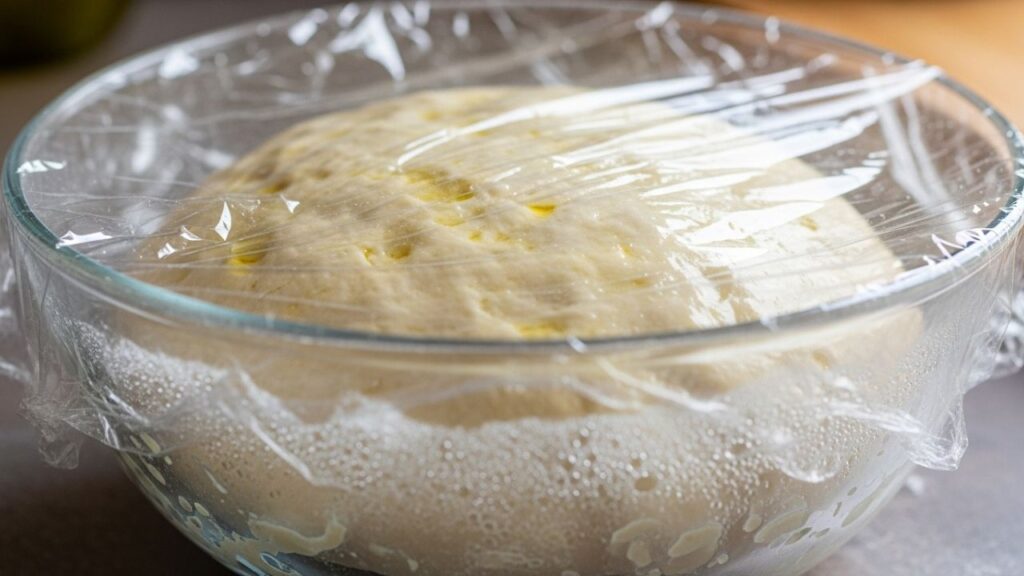
If you’re not using dough immediately, refrigeration is a great option. A slow, cold fermentation can even improve flavor by developing subtle sour notes over time.
For longer storage, pizza dough freezes well. Lightly coat it in oil, seal it in an airtight bag, and freeze it for later use, following tips for freezing pizza dough or dough-based creations to maintain optimal texture and flavor. When thawed properly in the refrigerator, it regains its elasticity and is ready for shaping.
Expanding Your Culinary Horizons
Pizza dough is one of the most versatile ingredients you can keep in your kitchen. Once you start thinking beyond the traditional pizza shape, it becomes a foundation for endless creativity. From stuffed pockets to rustic breads and even sweet treats, it adapts easily to whatever you want to create. The key is patience—allowing the dough to rest, ferment, and bake properly. With a little practice, this simple dough can transform everyday meals into something far more interesting and homemade.
Frequently Asked Questions
1. Can I use store-bought tube dough for these tips?
Yes, store-bought dough works well for most recipes, especially from bakery sections. However, freshly made dough generally provides better texture and flavor.
2. Is it okay to bake pizza dough in a loaf pan?
Absolutely. Just be sure to grease the pan well or use parchment paper to prevent sticking.
3. Why did my dough get tough after baking?
This usually happens when too much flour is added or the dough is overworked during shaping.
4. Can I turn pizza dough into crackers?
Yes. Rolling it very thin and baking it at high heat creates a crisp, cracker-like texture.
