
For the longest time, I viewed salads as a chore. They were the green obligation on the side of a steak or the lackluster pile of iceberg lettuce I’d force myself to eat for lunch when I was trying to be “healthy.” When I first made this shift toward a more culinary approach to vegetables, I realized that a salad isn’t just a side dish—it’s a canvas for texture, acidity, and umami. The difference between a bag of mixed greens and truly impressive Homemade Gourmet Salad Recipes lies in the details. It’s about the contrast between a creamy goat cheese and a candied walnut, or the way a sharp citrus vinaigrette cuts through the richness of roasted beets. In my experience, once you learn the basic architecture of a gourmet salad, you’ll never look at a bottle of store-bought dressing the same way again.
If you are looking for more ways to transform your daily meals into something extraordinary, you can find a wealth of kitchen inspiration at fooodies.site.
The Anatomy of a High-End Salad
After testing this several times with various seasonal ingredients, I’ve found that every “gourmet” salad needs five distinct pillars to succeed. If you hit all five, your palate stays engaged from the first bite to the last.
1. The Leafy Foundation
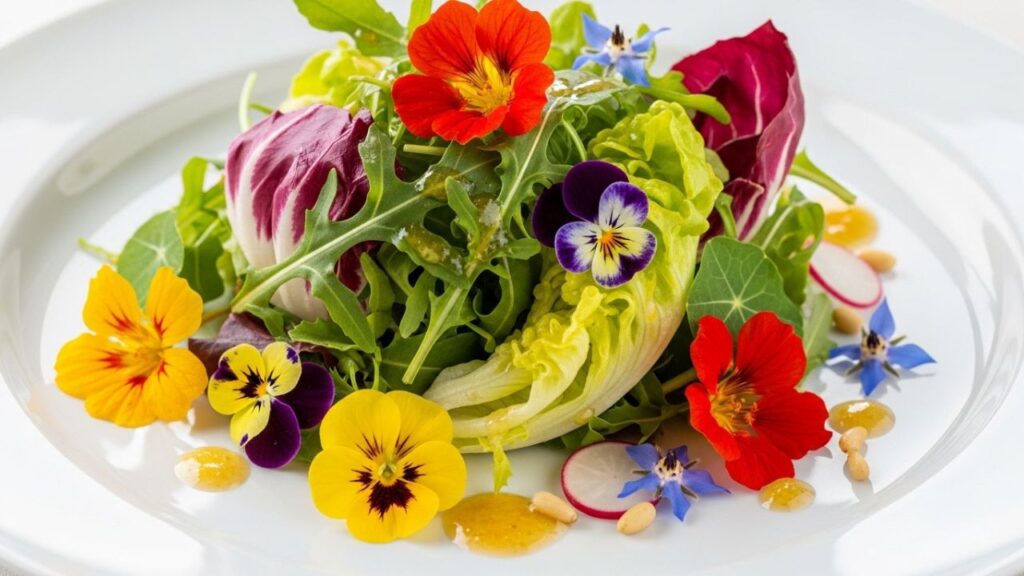
Don’t just stick to one green. I love mixing textures—pairing the soft, buttery leaves of bibb lettuce with the peppery crunch of arugula or the bitter snap of radicchio. This creates complexity before you even add a single topping.
2. The Crunch Factor
This is where most home cooks fail. You need something more than just a crouton. I’ve found that toasted pumpkin seeds, fried shallots, or even thinly sliced raw radishes provide a sophisticated crunch that keeps things interesting.
3. Creamy Elements
Whether it’s a perfectly ripe avocado, a dollop of burrata, or a crumble of sharp feta, fat carries flavor. It coats the tongue and balances the acidity of the dressing.
4. Seasonal Fruit or Roasted Veg
Gourmet salads often play with sweetness. Thinly sliced pears in the winter, grilled peaches in the summer, or honey-roasted carrots in the fall provide a depth of flavor that separates a “house salad” from a chef’s creation.
5. The “Acid” (The Dressing)
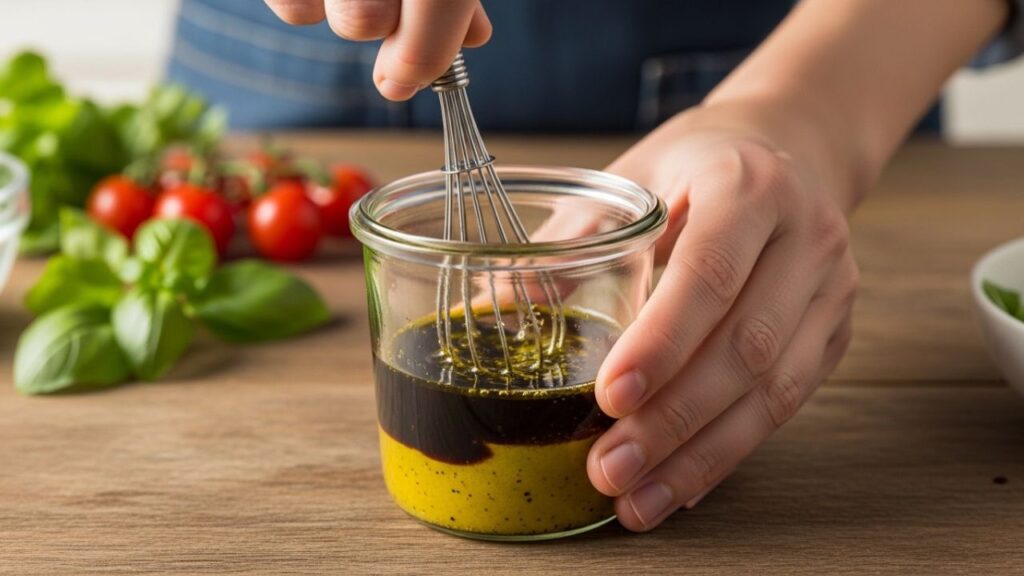
The dressing should never drown the salad; it should dress it. A simple 3-to-1 ratio of oil to acid is the classic starting point, but I like to push boundaries with infused oils or fruit-based vinegars.
One Trick I Always Use: The “Massage” Method
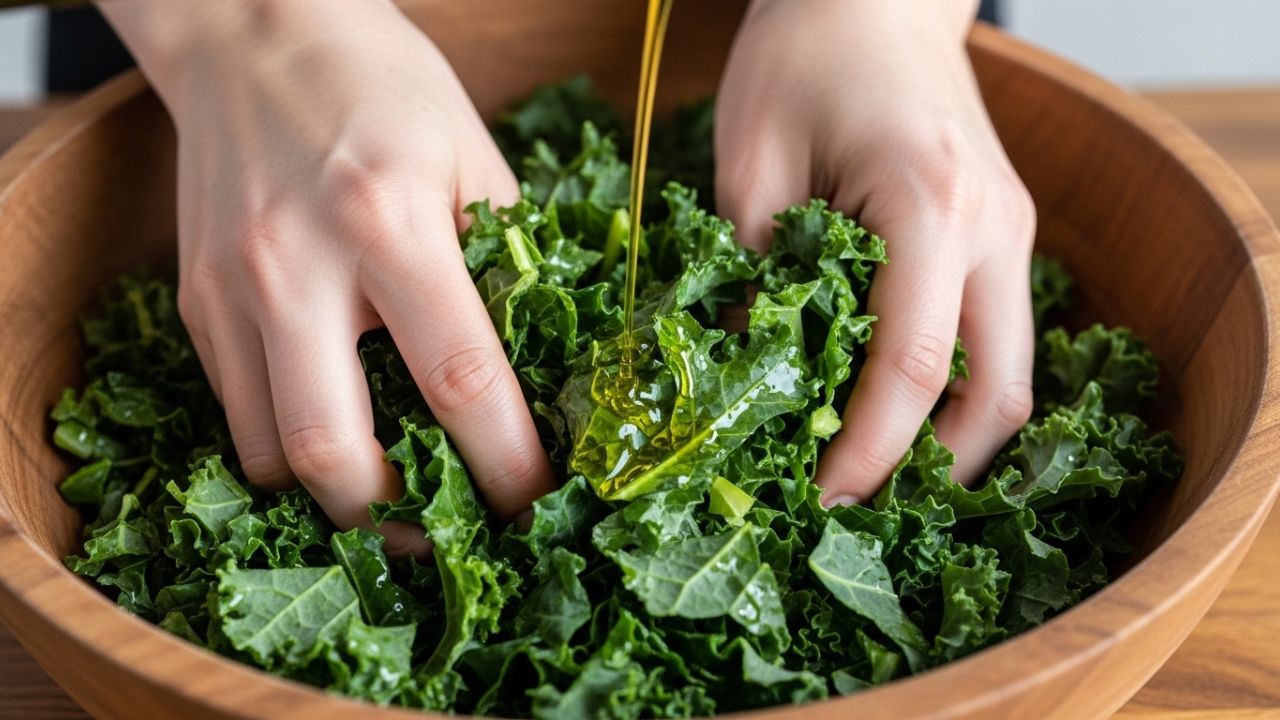
If you are working with tougher greens like kale or shaved Brussels sprouts, one trick I always use is massaging the greens with a little bit of salt and olive oil before adding any other ingredients. This breaks down the fibrous cell structure, making the greens tender and much easier to digest. You’ll notice the color deepens to a vibrant forest green, and the texture becomes silky rather than “woodsy.”
The Roasted Beet and Goat Cheese Masterpiece
Let’s put these principles into practice with one of my all-time favorite Homemade Gourmet Salad Recipes. This dish is a crowd-pleaser because it looks like a million bucks but is surprisingly simple to assemble.
Step 1: Roasting the Beets
Scrub your beets and wrap them in foil with a splash of water. Roast at 400°F until a knife slides in easily. I’ve found that peeling them while they are still warm (under running cold water) is the easiest way to slip the skins off without making a massive mess.
Step 2: Crafting the Balsamic Reduction
Instead of a thin vinaigrette, simmer half a cup of balsamic vinegar with a teaspoon of honey until it coats the back of a spoon. This syrupy glaze provides a restaurant-quality finish that looks beautiful drizzled over the plate.
Step 3: Toasting the Nuts
Never use raw nuts. Toss some walnuts in a pan with a pinch of salt and a tiny bit of butter until they smell fragrant. It takes three minutes but changes the entire flavor profile of the dish.
Step 4: Assembly
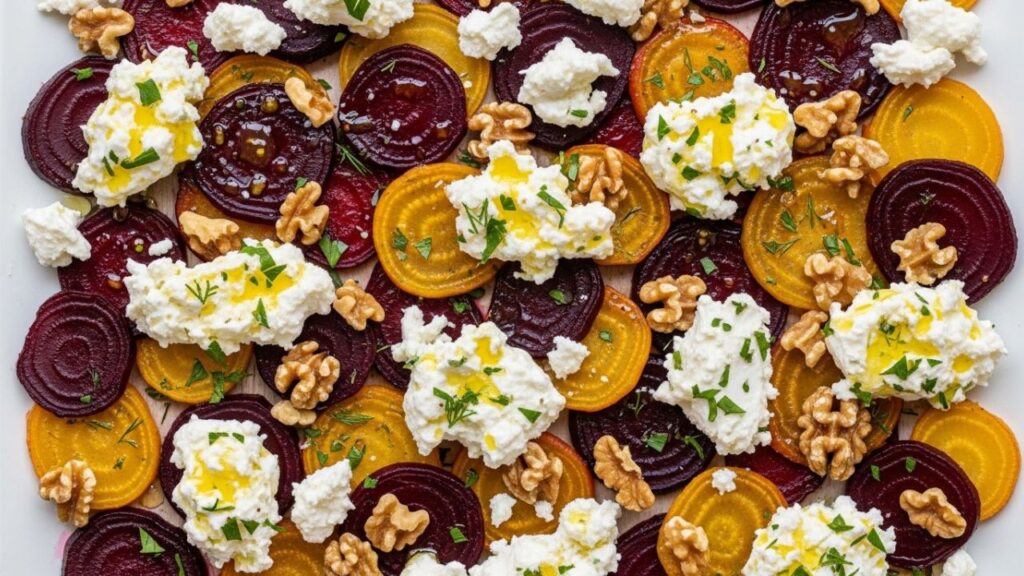
Lay a bed of mixed baby greens down. Arrange the sliced beets and add clumps of fresh, creamy goat cheese. Sprinkle the toasted walnuts over the top and finish with a heavy drizzle of your balsamic reduction and a crack of fresh black pepper.
Flavor Variations to Keep Things Fresh
The beauty of mastering these techniques is that you can swap ingredients based on what’s in your fridge.
- The Mediterranean Twist: Use chopped romaine, kalamata olives, sun-dried tomatoes, and a lemon-oregano vinaigrette.
- The Autumn Harvest: Use baby spinach, roasted butternut squash, dried cranberries, and toasted pecans with a maple-dijon dressing.
- The Asian-Inspired Crunch: Try shredded cabbage, edamame, mandarin oranges, and cilantro with a toasted sesame and ginger dressing.
Common Mistakes to Avoid
- Dressing Too Early: This is the quickest way to end up with a soggy mess. Always dress your salad right before serving. If you’re taking it to a potluck, keep the dressing in a separate jar.
- Using Wet Greens: If you don’t own a salad spinner, it’s time to get one. Water clinging to the leaves will repel the oil in your dressing, meaning the flavor won’t stick to the food.
- Under-Seasoning: People forget that vegetables need salt! Even if your dressing is salty, a tiny pinch of flaky sea salt over the finished salad makes the flavors pop.
Storage and Meal Prep Tips
While fully dressed salads don’t store well, you can prep the components in advance. Store your washed and dried greens in a container with a dry paper towel to absorb excess moisture—this can keep them crisp for up to a week. For more on safe vegetable handling and storage, you can refer to the CDC’s Food Safety guidelines.
Gourmet Salad FAQs
1. How do I stop my avocados from browning in a prepped salad?
Toss the avocado slices in a little bit of lemon or lime juice before adding them to the container. The acid slows down the oxidation process.
2. Can I make these salads vegan?
Absolutely. Swap cheese for toasted seeds or a cashew-based “cream” dressing. Nutritional yeast is also a great way to add a cheesy flavor without the dairy.
3. What is the best oil for salad dressings?
For most Homemade Gourmet Salad Recipes, a high-quality extra virgin olive oil is best. However, for Asian-style salads, toasted sesame oil or a neutral grapeseed oil works better.
4. How can I add protein to make it a full meal?
Grilled chicken, chilled shrimp, roasted chickpeas, or a soft-boiled egg are all excellent ways to turn a salad into a hearty lunch.
5. Why is my dressing always separating?
Oil and vinegar don’t like to stay together. Add a teaspoon of Dijon mustard or honey to your dressing; these act as emulsifiers to keep the mixture smooth.
Conclusion
Creating high-quality Homemade Gourmet Salad Recipes is about moving away from the idea that a salad is a punishment. When you focus on the balance of sweet, salty, sour, and crunchy, you create a dish that is just as satisfying as a heavy pasta or a roast.
In my experience, once you start experimenting with different vinegars, toasted nuts, and seasonal fruits, you’ll find that the “salad section” of your grocery store becomes the most exciting part of the shop. Take these tips, trust your palate, and don’t be afraid to get creative with your toppings!

Henry James is the writer behind Fooodies.site, where he shares easy recipes, practical cooking guides, and simple kitchen tips for everyday home cooks. He enjoys experimenting with flavors and turning everyday ingredients into delicious, homemade meals. His goal is to make cooking feel simple, enjoyable, and achievable for everyone. He focuses on creating clear, well-tested content that readers can trust and follow with confidence.