
For a long time, I thought salads were something you had to eat, not something you’d actually enjoy. They felt like an obligation—plain greens on the side of a meal or a quick healthy option that never really satisfied. That perspective changed when I Homemade Gourmet Salad Recipes treating salads like real dishes instead of afterthoughts. A great salad isn’t just about greens—it’s about contrast, balance, and bold flavors. When you combine creamy, crunchy, tangy, and fresh elements in the right way, even simple ingredients can feel elevated. Once you understand how to build a salad properly, you’ll start seeing endless possibilities in your kitchen—and you may even start pairing them with simple killer appetizer recipes for a complete dining experience instead of going back to bottled dressings again.
The Anatomy of a High-End Salad
After experimenting with different ingredients and combinations, I’ve found that every standout salad follows a simple structure. Think of it as a blueprint made up of five essential elements.
1. The Leafy Foundation
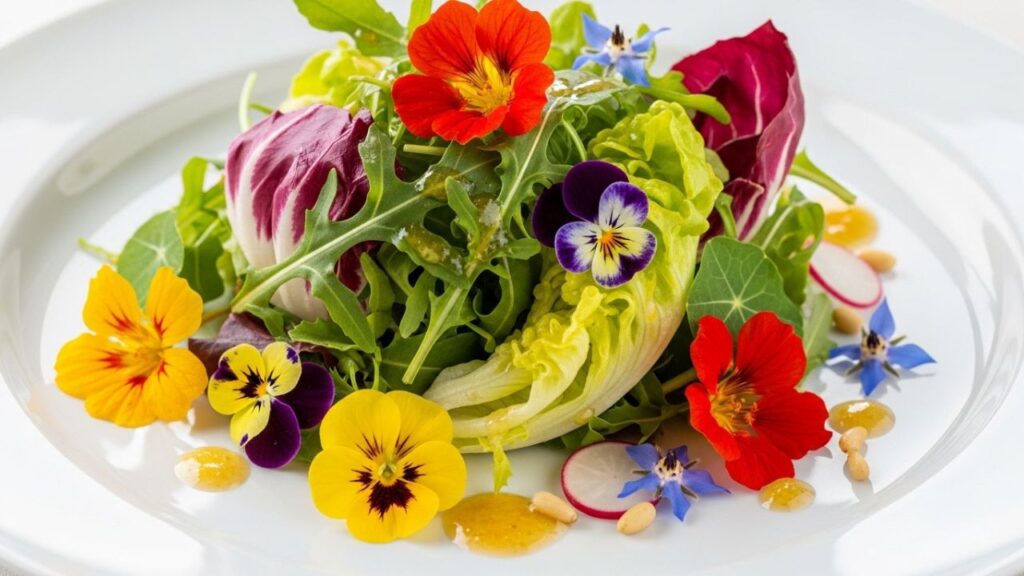
Instead of relying on a single type of lettuce, mix different greens for better texture and flavor. Soft leaves like butter lettuce pair beautifully with peppery arugula or slightly bitter radicchio. This combination creates depth from the very first bite.
2. The Crunch Factor
Crunch adds excitement to every forkful. Skip basic croutons and try toasted seeds, roasted nuts, crispy shallots, or even fresh radishes—or take inspiration from this shishito peppers recipe to experiment with blistered, textured toppings. These small additions make a big difference in texture.
3. Creamy Elements
Creaminess balances sharp and acidic flavors. Ingredients like avocado, soft cheeses, or even a creamy dressing help round out the dish and make it more satisfying.
4. Seasonal Fruit or Roasted Vegetables
A touch of sweetness can transform a salad. Fresh fruits or roasted vegetables add natural sugars and complexity. Think sliced pears, roasted carrots, or grilled peaches depending on the season.
5. The Acid (The Dressing)
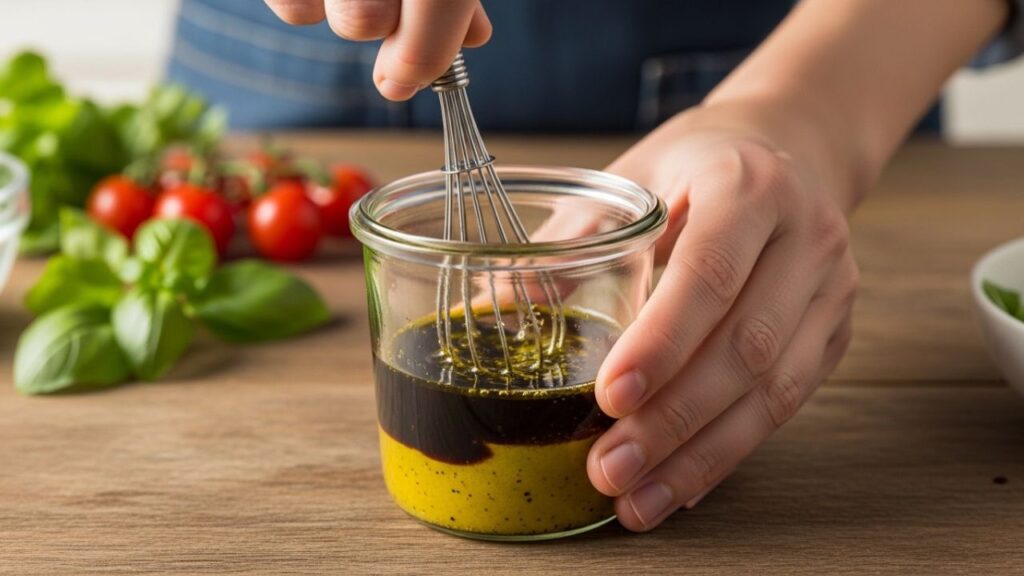
A good dressing ties everything together without overpowering it. A simple oil-to-acid ratio is a great starting point, but experimenting with different vinegars, citrus juices, or infused oils can take your salad to the next level.
One Trick I Always Use: The Massage Method
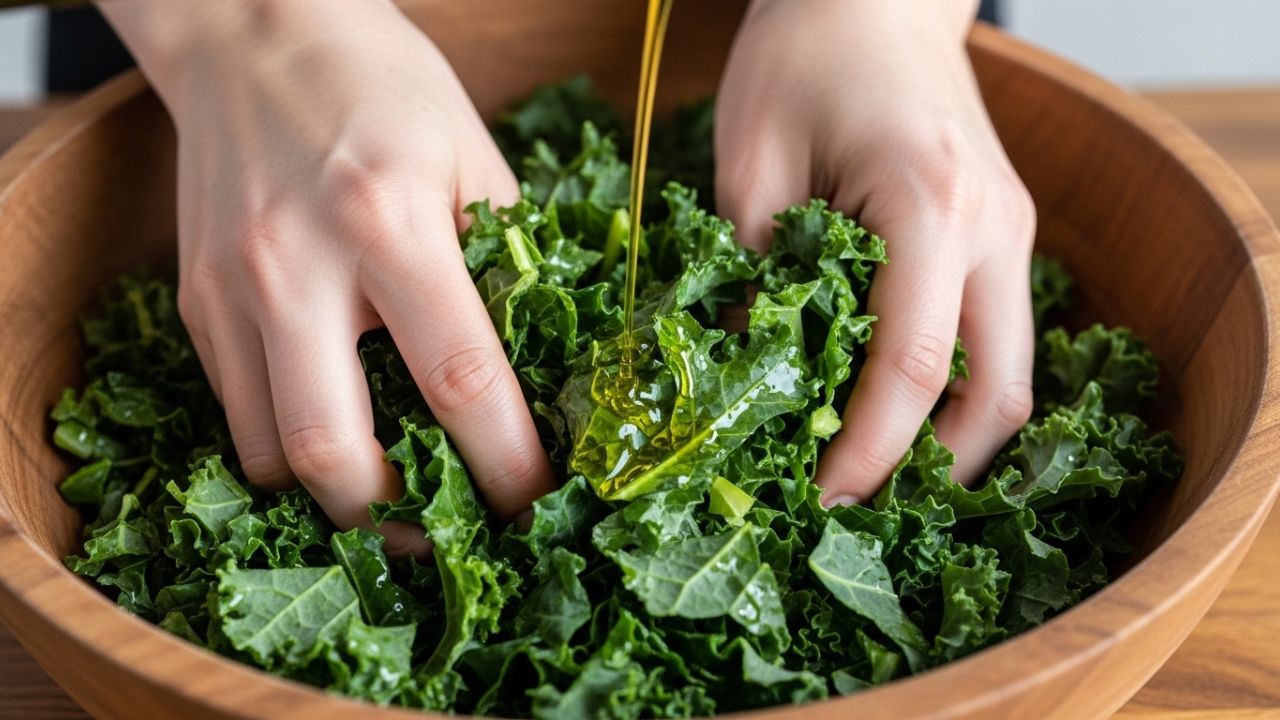
When working with tougher greens like kale or shaved Brussels sprouts, gently massaging them with a bit of salt and olive oil can make a huge difference. This softens the texture and reduces bitterness. After a minute or two, the greens become darker, softer, and much more pleasant to eat. It’s a simple step that can completely change the final result.
The Roasted Beet and Goat Cheese Masterpiece
Let’s bring everything together with a simple yet impressive salad that highlights these techniques.
Step 1: Roasting the Beets
Wash and trim the beets, then wrap them in foil with a small splash of water. Roast until tender. Once slightly cooled, the skins will slide off easily, making them ready to slice.
Step 2: Crafting the Balsamic Reduction
Simmer balsamic vinegar with a small amount of honey until it thickens into a glaze. This adds a rich, slightly sweet finish that enhances the entire dish.
Step 3: Toasting the Nuts
Lightly toast walnuts in a pan with a pinch of salt. This quick step deepens their flavor and adds warmth to the salad.
Step 4: Assembly
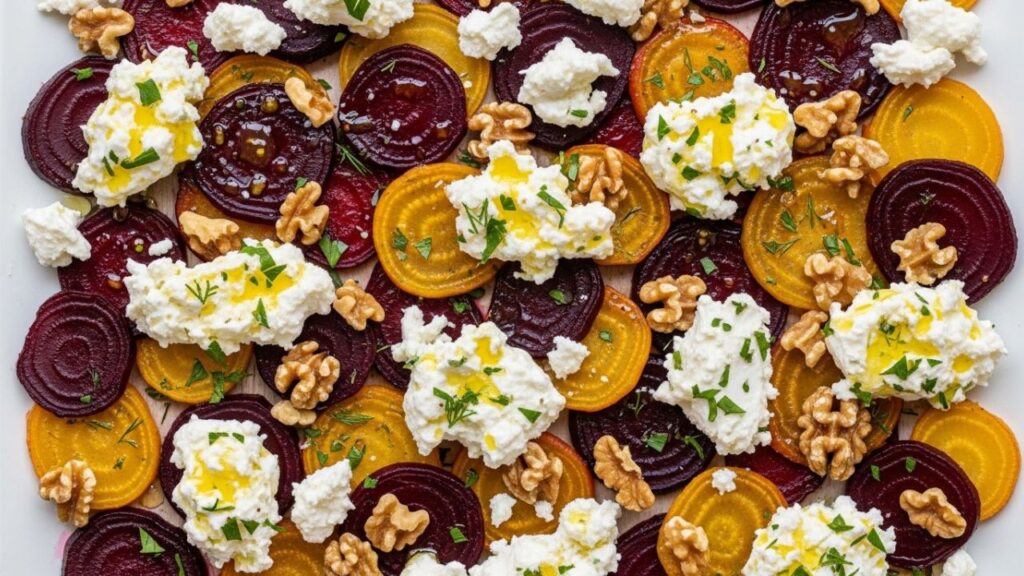
Start with a base of mixed greens. Add sliced beets, pieces of goat cheese, and toasted walnuts. Finish with a drizzle of balsamic glaze and a touch of freshly ground black pepper.
Flavor Variations to Keep Things Fresh
Once you understand the basics, you can easily adapt your salads using what you already have.
- Mediterranean Style: Romaine, olives, tomatoes, and a lemon-based dressing
- Autumn Inspired: Spinach, roasted squash, cranberries, and a maple dressing
- Asian-Inspired: Shredded cabbage, citrus segments, herbs, and a sesame-ginger dressing
Common Mistakes to Avoid
- Dressing Too Early: Adding dressing too soon can make your salad soggy. Always dress it just before serving.
- Using Wet Greens: Excess water prevents dressing from sticking. Make sure your greens are completely dry.
- Under-Seasoning: Even fresh vegetables need seasoning. A small pinch of salt at the end can significantly improve flavor.
Storage and Meal Prep Tips
While dressed salads don’t store well, you can prepare ingredients ahead of time. Keep greens dry in an airtight container with a paper towel to absorb moisture. Store toppings and dressing separately, then combine everything just before serving for the best texture and flavor.
Conclusion
A great salad is no longer just a side dish—it’s a complete, versatile, and highly customizable meal that can fit into almost any lifestyle. When you understand how to balance texture, flavor, and freshness, you unlock the ability to turn even the simplest ingredients into something truly satisfying. That’s what separates a basic bowl of greens from a well-crafted, restaurant-quality salad.
What makes salads especially powerful is their flexibility. Whether your goal is healthy eating, weight management, meal prep, or simply adding more vegetables to your diet, salads can be adapted endlessly without feeling repetitive. You can rotate ingredients based on seasons, dietary preferences, or whatever you already have in your kitchen, making them one of the most practical meals to master.
FAQ’s
1. How do I stop my avocados from browning in a prepped salad?
Coating avocado slices with a bit of lemon or lime juice helps slow oxidation and keeps them looking fresh.
2. Can I make these salads vegan?
Yes, simply replace cheese with nuts, seeds, or plant-based alternatives. You can also use creamy dressings made from blended nuts.
3. What is the best oil for salad dressings?
Extra virgin olive oil works well for most salads. For different flavor profiles, try sesame oil or neutral oils like grapeseed.
4. How can I add protein to make it a full meal?
You can include grilled chicken, beans, eggs, or seafood to make your salad more filling and balanced—try pairing it with a homemade chicken nuggets recipe guide for a crispy, satisfying protein addition.
5. Why is my dressing always separating?
Oil and vinegar naturally separate. Adding ingredients like mustard or honey helps keep the mixture emulsified.

Henry James is the writer behind Fooodies.site, where he shares easy recipes, practical cooking guides, and simple kitchen tips for everyday home cooks. He enjoys experimenting with flavors and turning everyday ingredients into delicious, homemade meals. His goal is to make cooking feel simple, enjoyable, and achievable for everyone. He focuses on creating clear, well-tested content that readers can trust and follow with confidence.