
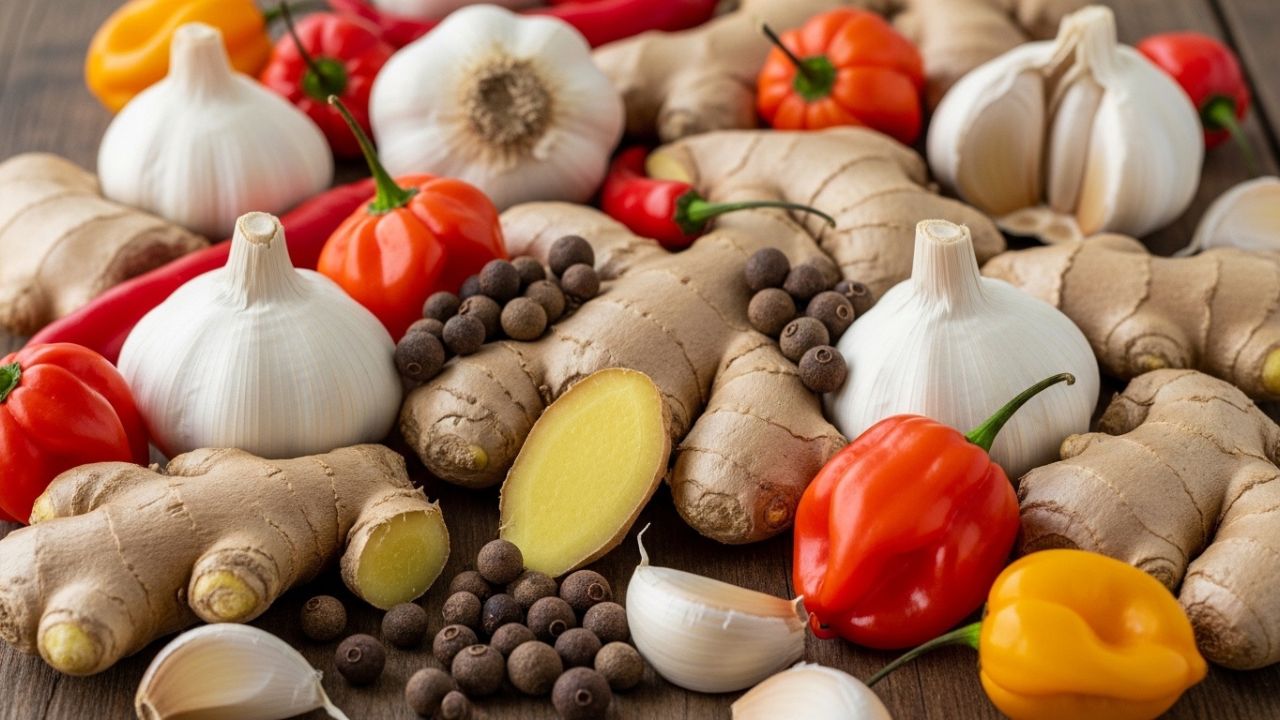
There is something magnetic about the aroma of jerk seasoning hitting a hot pan. It’s a complex, heady mixture of woody allspice, fiery scotch bonnet peppers, and aromatic thyme that immediately transports you to a seaside shack in the Caribbean. While jerk chicken might be the famous sibling, in my experience, Jerk Shrimp recipe is the true weeknight hero.
Shrimp is the perfect canvas for these bold flavors because it cooks in a flash and carries spices beautifully. However, achieving that perfect balance of heat and sweet without overcooking the delicate seafood is where many home cooks stumble. After testing this several times, I’ve refined a method that ensures juicy, snap-tender shrimp every single time, bathed in a sauce that packs a serious punch.
If you’re looking to add more vibrant, globally-inspired dishes to your weekly rotation, visit our homepage: https://fooodies.site.
Shopping for the Perfect Shrimp
The quality of your seafood is 90% of the battle. When you’re at the fish counter, keep these pointers in mind:
- Size Matters: For jerk shrimp, I always look for “Jumbo” or “Extra Large” (typically labeled as 16/20 or 21/25 count per pound). Because we are using high heat, smaller shrimp will overcook before they can develop a nice spice crust.
- Frozen vs. Fresh: Unless you live right on the coast, “fresh” shrimp at the counter was likely frozen and thawed anyway. I’ve found that buying high-quality frozen, shell-on shrimp is often the best way to ensure freshness. Just thaw them overnight in the refrigerator.
- Shell On or Off? For a casual, messy, fingers-only feast, leave the shells on—they protect the meat and hold onto the sauce. for a more “civilized” dinner over rice, peel and devein them, but leave the tails on for a better presentation.
- The Sniff Test: Fresh shrimp should smell like the ocean—salty and clean. If there is even a hint of ammonia, walk away.
The Secret is in the Marinade
A great jerk dish lives and dies by its seasoning. You can use a store-bought dry rub in a pinch, but one trick I always use is making a “wet paste” from scratch. It creates a much deeper flavor profile and clings to the shrimp far better.
The Essential Jerk Components:
- Allspice (Pimento): The backbone of jerk. It provides that warm, woody, clove-like scent.
- Scotch Bonnet Peppers: These are traditional and provide a fruitier heat than habaneros. (Use gloves when handling these—trust me!)
- Fresh Thyme: Don’t use dried if you can help it; fresh thyme adds a floral note that balances the heat.
- Aromatics: Scallions (green onions), garlic, and fresh ginger.
- The Sweet & Sour: Brown sugar or honey to help with caramelization, and fresh lime juice to cut through the spice.
Step-by-Step Instructions
1. Preparing the “Wet Rub”
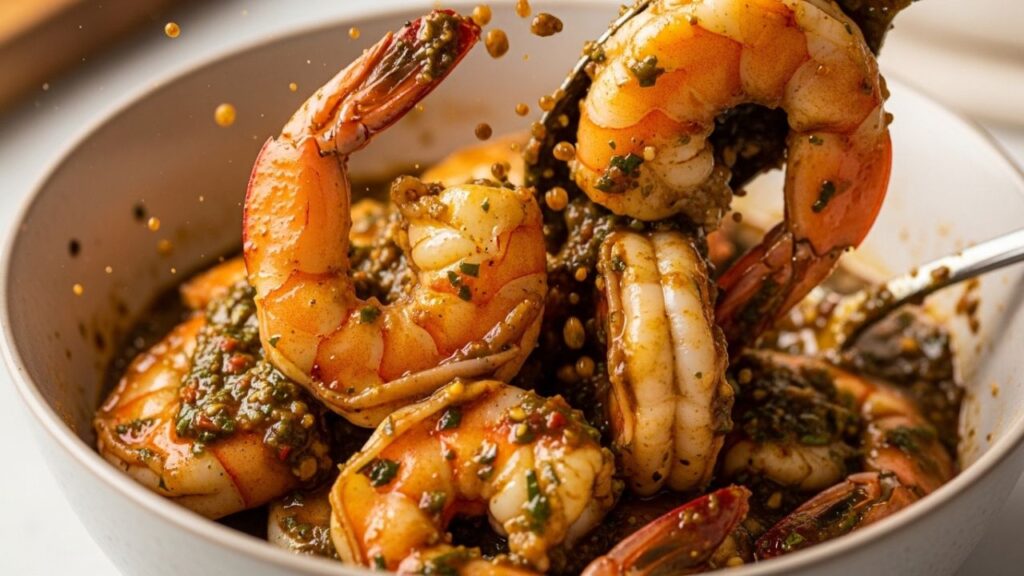
In a food processor or blender, combine 4 scallions, 2 scotch bonnet peppers (seeded if you want less heat), 3 cloves of garlic, a thumb of ginger, 2 tablespoons of allspice, a tablespoon of brown sugar, and a splash of oil. Pulse until it forms a coarse paste.
2. The Quick Marinate
Toss your cleaned shrimp in the paste. In my experience, shrimp only need about 15 to 30 minutes in the marinade. Because of the lime juice and salt, if you leave them too long (like overnight), the acid will actually start to “cook” the shrimp (like ceviche) and change the texture to something unpleasantly mushy.
3. The High-Heat Sear
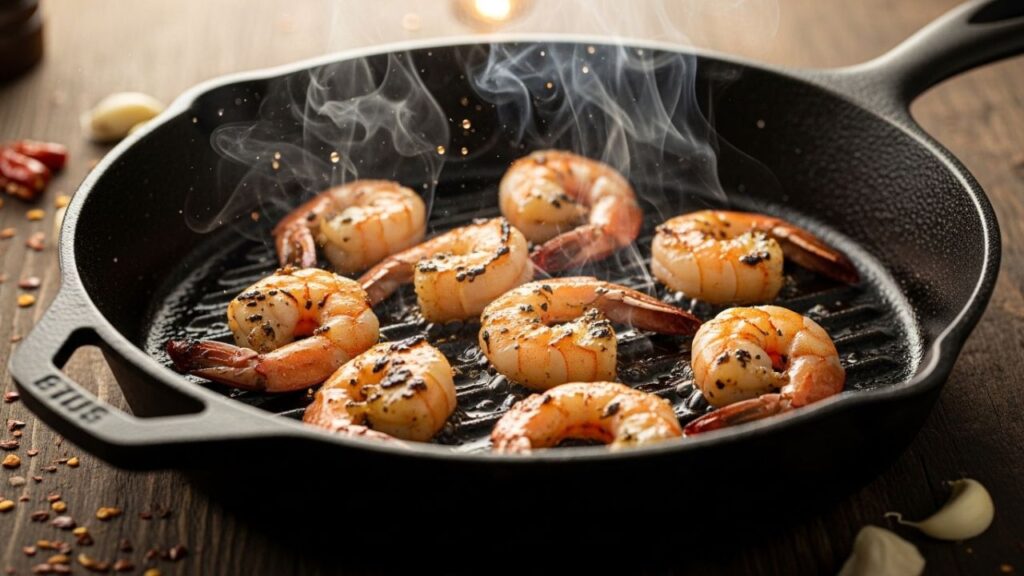
Heat a large skillet—cast iron is best—over medium-high heat with a tablespoon of oil. You want the pan screaming hot. Arrange the shrimp in a single layer.
One trick I always use is to resist the urge to stir them immediately. Let them sit for about 90 seconds. You want the sugars in the marinade to char slightly, creating those beautiful dark “jerk” spots. Flip them once and cook for another minute. As soon as they turn opaque and form a “C” shape, they are done.
4. The Finish
Deglaze the pan with a final squeeze of lime juice and a tiny splash of water or stock. This picks up all the toasted spices stuck to the bottom of the pan and creates a glossy glaze that coats the shrimp.
Personal Insights: Managing the Heat
If you aren’t a “chili-head,” the thought of scotch bonnets can be intimidating. I’ve found that you can substitute the peppers with a milder jalapeño or simply increase the amount of brown sugar to offset the burn. The goal of Jerk Shrimp Recipe pain—it’s a complex dance of flavors where the heat should linger on the back of the tongue, not overpower the seafood.
To understand more about the chemistry of how heat interacts with our palates, you can read more on the Scoville scale and chili varieties.
Variations & Flavor Tweaks
- The Skewer Method: If you’re grilling, thread the marinated shrimp onto skewers (soak wooden ones in water first). The open flame adds a smoky element that is traditionally achieved with pimento wood.
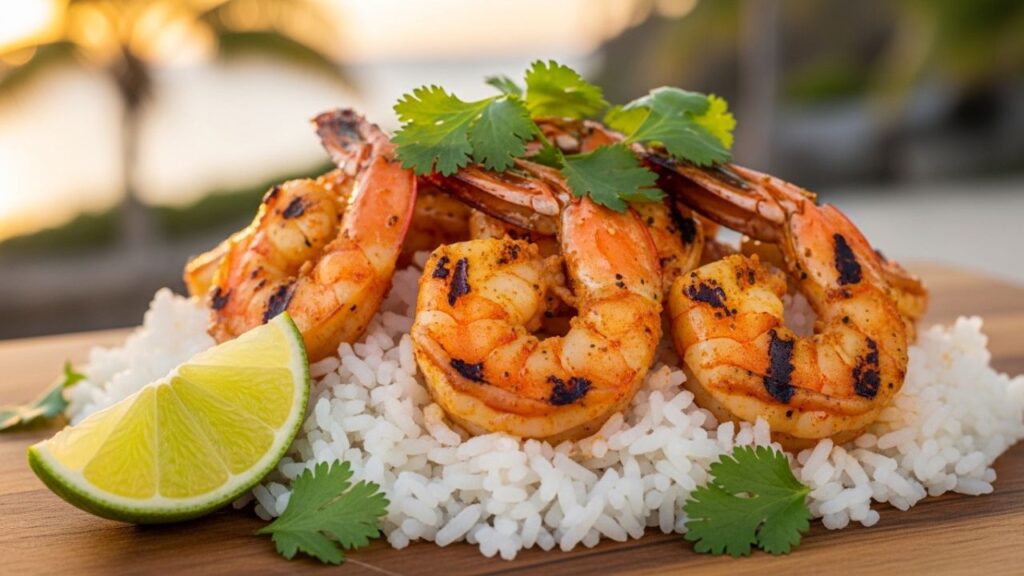
- The Coconut Twist: Serve your shrimp over coconut rice and peas. The creamy, fatty coconut milk acts as the perfect fire extinguisher for the jerk spices.
- Tropical Salsa: Top the dish with a fresh mango or pineapple salsa. The acidity of the fruit highlights the citrus notes in the Jerk Shrimp Recipe.
Common Mistakes to Avoid
- Overcooking: Shrimp are “done” when they look like a “C.” If they curl into a tight “O,” they are overcooked and will be rubbery.
- Using a Cold Pan: If the pan isn’t hot, the shrimp will steam and release their juices, resulting in a soggy dish rather than a charred one.
- Dull Spices: Allspice loses its punch quickly. If your jar has been in the back of the pantry since the last decade, buy a fresh one. For more on keeping your pantry fresh, see these spice storage guidelines.
FAQs
1: Can I use this marinade for other proteins?
Definitely! It works wonders on chicken, pork, or even firm tofu. Just remember that denser meats will need to marinate longer (4–6 hours) than shrimp.
2: How do I make it less spicy?
Remove the seeds and the white “ribs” from the peppers before blending. That’s where most of the capsaicin lives.
3: What is the best side dish for Jerk Shrimp?
Traditionally, it’s served with “rice and peas” (which are actually kidney beans) and fried plantains. A simple cabbage slaw also provides a nice crunchy contrast.
4: Can I use dried thyme instead of fresh?
You can, but use only 1/3 of the amount called for, as dried herbs are more concentrated. However, fresh thyme is a signature scent of authentic jerk.
5: How do I store leftovers?
Keep them in an airtight container for up to 2 days. Reheat gently in a pan with a little butter—avoid the microwave if you can!
Conclusion
Jerk Shrimp Recipe is a celebration of bold, unapologetic flavor. It’s a dish that demands your attention and rewards you with a depth of seasoning that is hard to find in any other cuisine. By focusing on a high-quality sear and a fresh, homemade paste, you can bring the taste of the Caribbean into your own kitchen. Don’t be afraid of the heat—embrace the spice and enjoy the process!

Henry James is the writer behind Fooodies.site, where he shares easy recipes, practical cooking guides, and simple kitchen tips for everyday home cooks. He enjoys experimenting with flavors and turning everyday ingredients into delicious, homemade meals. His goal is to make cooking feel simple, enjoyable, and achievable for everyone. He focuses on creating clear, well-tested content that readers can trust and follow with confidence.