
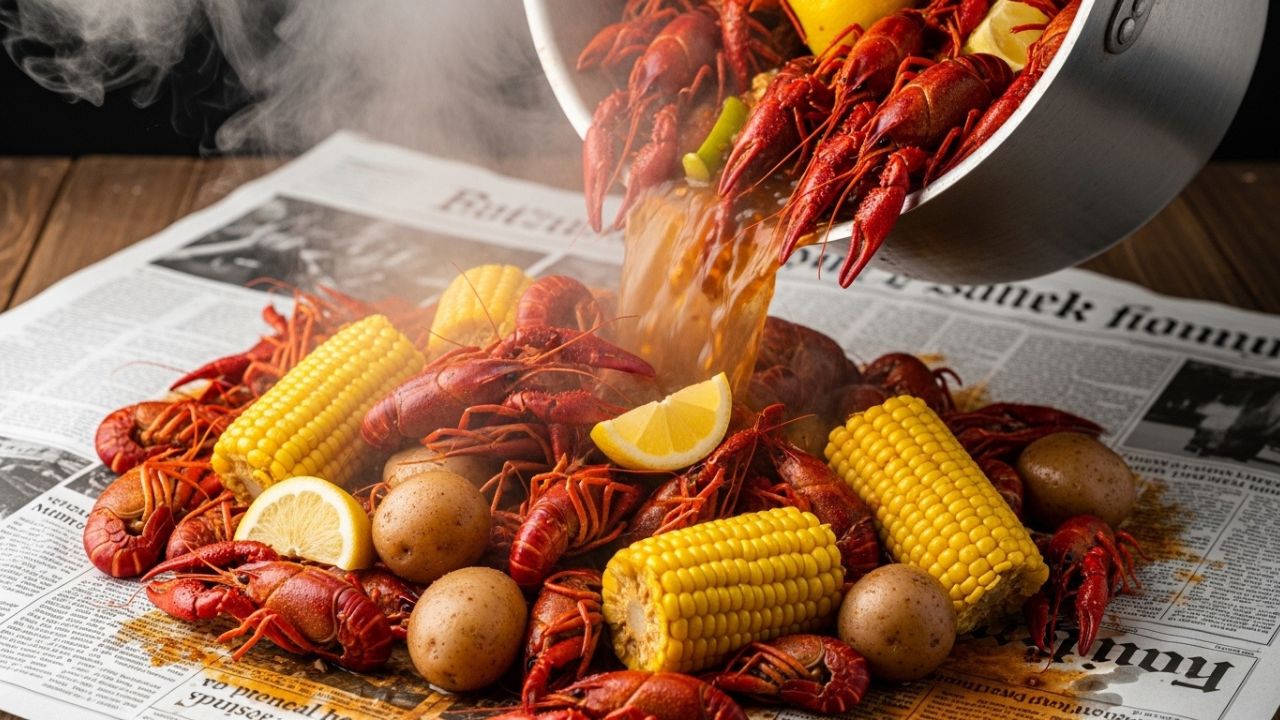
There is something primal and profoundly joyful about dumping a massive pot of steaming, spice-rubbed seafood directly onto a newspaper-lined table. It is the ultimate “get your hands dirty” meal, where the clinking of crab crackers and the peeling of shrimp shells provide the soundtrack to an evening of genuine connection. Growing up, the cajun seafood boil wasn’t just a recipe; it was an event that signaled the peak of summer or a hard-earned celebration. While many people think they can only get that authentic, finger-licking kick at a high-end shack in Louisiana or a specialized “boiling point” restaurant, the truth is that the best boils happen in your own backyard or kitchen.
If you’ve ever wondered why some boils taste like a flavor explosion while others feel like waterlogged shrimp, the secret isn’t just in the spice—it’s in the layering. You have to treat the boiling liquid like a seasoned stock, building depth before the first piece of corn even hits the water. Whether you’re a seasoned pro or a first-timer looking to impress a crowd, this guide will walk you through the nuances of heat, timing, and that legendary garlic butter finish. Before we dive into the pot, you might want to brush up on how to select the freshest shellfish at the market to ensure your base ingredients are top-tier.

The Essentials: What Goes Into the Pot?
A true Cajun seafood boil recipe is a symphony of textures. You want the snap of the sausage, the creamy give of a potato, and the sweet, delicate brine of the seafood. While the variations are endless, certain players are non-negotiable for that classic profile.
The Seafood Stars
- Extra Large Shrimp: Look for 16/20 count, shell-on. The shells protect the meat from overcooking and soak up the seasoned broth.
- Snow Crab Legs: These are the centerpiece. Ensure they are fully thawed if bought frozen so they heat evenly.
- Crawfish (Optional): If they are in season, adding a few pounds of “mudbugs” elevates the authenticity instantly.
The Aromatics and Bulk
- Andouille Sausage: This smoked, spicy pork sausage is the backbone of the boil’s savory depth.
- Red Bliss Potatoes: These hold their shape better than Russets and have a waxy texture that absorbs the spices without turning into mush.
- Sweet Corn on the Cob: Break them into thirds. They act as little sponges for the butter sauce.
- Lemons and Garlic: Halve the lemons and smash the garlic cloves—don’t be shy with the quantities here.
The Seasoning Liquid
You’ll need a heavy hand with a high-quality dry boil mix (like Zatarain’s or Old Bay), but we’re going to supplement that with liquid crab boil concentrate, bay leaves, and a touch of citrus. For those interested in the nutritional side of this feast, the USDA FoodData Central provides a great breakdown of the lean protein found in various types of shellfish.
Step-by-Step: Managing the Heat
The biggest mistake beginners make is throwing everything in at once. A boil is a timed operation. We start with the items that need the most “soak” time and end with the delicate proteins.
1. The Seasoned Base
Fill a very large stockpot (at least 20–30 quarts for a full feast) about halfway with water. Add your dry seasoning, liquid boil, halved lemons, smashed garlic, and halved onions. Bring this to a rolling boil and let it dance for 15 minutes. This “pre-boil” ensures the water is actually a flavorful broth before it touches your food.
2. The Hearty Components
Drop in your halved red potatoes and the sliced Andouille sausage. These need about 10–12 minutes. You want the potatoes to be “fork-tender”—which means a fork slides in easily but the potato doesn’t crumble apart.
3. The Sweet and the Shells
Next, add the corn wheels. Let them boil for about 5 minutes. Now, it’s time for the crab legs. Since most store-bought crab is pre-cooked, you are essentially just heating them through and letting the spices penetrate the shells. Give the crab about 5 minutes. If you find yourself hosting these types of gatherings often, you might also enjoy learning about creative ways to use leftover seafood boils so nothing goes to waste the next day.
4. The Final Shrimp Snap
Turn the heat off entirely. Now, drop in your shrimp. The residual heat of the water is enough to cook them in about 2–3 minutes. Once they turn pink and form a “C” shape, they are done. Overcooked shrimp turn into an “O” shape and become rubbery—avoid the “O”!

The Secret Weapon: The Garlic Butter Drench
While the boil provides the foundation, the “Cajun Butter” is what makes people lick their plates. In a separate large saucepan, melt four sticks of unsalted butter (yes, a full pound). Sauté a heap of minced garlic until fragrant, then whisk in more Cajun seasoning, a splash of lemon juice, and a pinch of brown sugar to balance the heat.
Once you drain your seafood, toss everything in a large bowl or a clean turkey roasting pan with three-quarters of this butter sauce. Save the remaining quarter for individual dipping cups. This ensures every nook and cranny of the crab shells is coated in silken, spicy gold.
| Detail | Specification |
| Prep Time | 20 Minutes |
| Cook Time | 35 Minutes |
| Total Time | 55 Minutes |
| Serving Size | 6-8 People |
Pro Tips for a Flawless Feast
- The “Soak” Method: If you have the patience, after the shrimp are cooked, let the whole pot sit (off the heat) for another 10 minutes. This is when the seafood truly absorbs the salt and spice.
- Don’t Oversalt: Many pre-made boil mixes are incredibly high in sodium. Taste your water after it boils for 15 minutes. If it’s too salty, add another halved lemon or a splash of water.
- The Ice Trick: If you are worried about the shrimp overcooking during the soak, toss a half-bag of ice into the pot. It drops the temperature instantly, stopping the cooking process while allowing the spices to infuse.
Storage and Reheating Wisdom
Seafood is notoriously fickle when it comes to leftovers. If you have extras, strip the meat from the crab and shrimp shells before storing. The meat will stay fresh in an airtight container in the fridge for up to two days.
To Reheat: Avoid the microwave at all costs; it turns shrimp into erasers. Instead, lightly steam the leftovers or toss them in a skillet with a little extra butter and a splash of water over medium-low heat until just warmed through.

Serving Like a Bayou Local
Forget the fine china. The only way to serve a Cajun seafood boil recipe is on a table covered in heavy-duty brown paper or several layers of newspaper. This isn’t just for aesthetics—it makes cleanup a breeze. When everyone is finished, you simply roll up the paper (shells and all) and toss it in the trash. Provide plenty of wet napkins, some extra lemon wedges, and perhaps a cold beverage to cut through the spice. To round out the meal, consider serving some traditional Southern sides that pair with seafood like honey butter cornbread or a crisp coleslaw.
Frequently Asked Questions
1. Can I use frozen seafood?
Absolutely. In fact, most “fresh” seafood at the grocery store was previously frozen anyway. Just ensure the crab and shrimp are fully thawed before they go into the pot to ensure the timing remains accurate.
2. How do I make it less spicy?
The heat primarily comes from the liquid boil concentrate and the amount of cayenne in your dry mix. To dial it back, stick to a mild dry rub and use more citrus and onion to provide flavor without the burn.
3. What if I don’t have a massive outdoor burner?
You can easily do this on a standard kitchen stove! You may just need to split the ingredients into two smaller pots. The instructions remain the same—just keep your ratios of water to seasoning consistent.
Conclusion
At its heart, a Cajun seafood boil recipe is a celebration of abundance and community. It’s a messy, loud, and incredibly rewarding way to feed the people you love. By focusing on the timing and the quality of your “boil broth,” you transform simple ingredients into a gourmet experience that rivals any coastal fish house. So, grab a big pot, call your friends, and get ready to dive into the best seafood of your life. There’s no right or wrong way to eat it—just roll up your sleeves and enjoy the feast!

Henry James is the writer behind Fooodies.site, where he shares easy recipes, practical cooking guides, and simple kitchen tips for everyday home cooks. He enjoys experimenting with flavors and turning everyday ingredients into delicious, homemade meals. His goal is to make cooking feel simple, enjoyable, and achievable for everyone. He focuses on creating clear, well-tested content that readers can trust and follow with confidence.