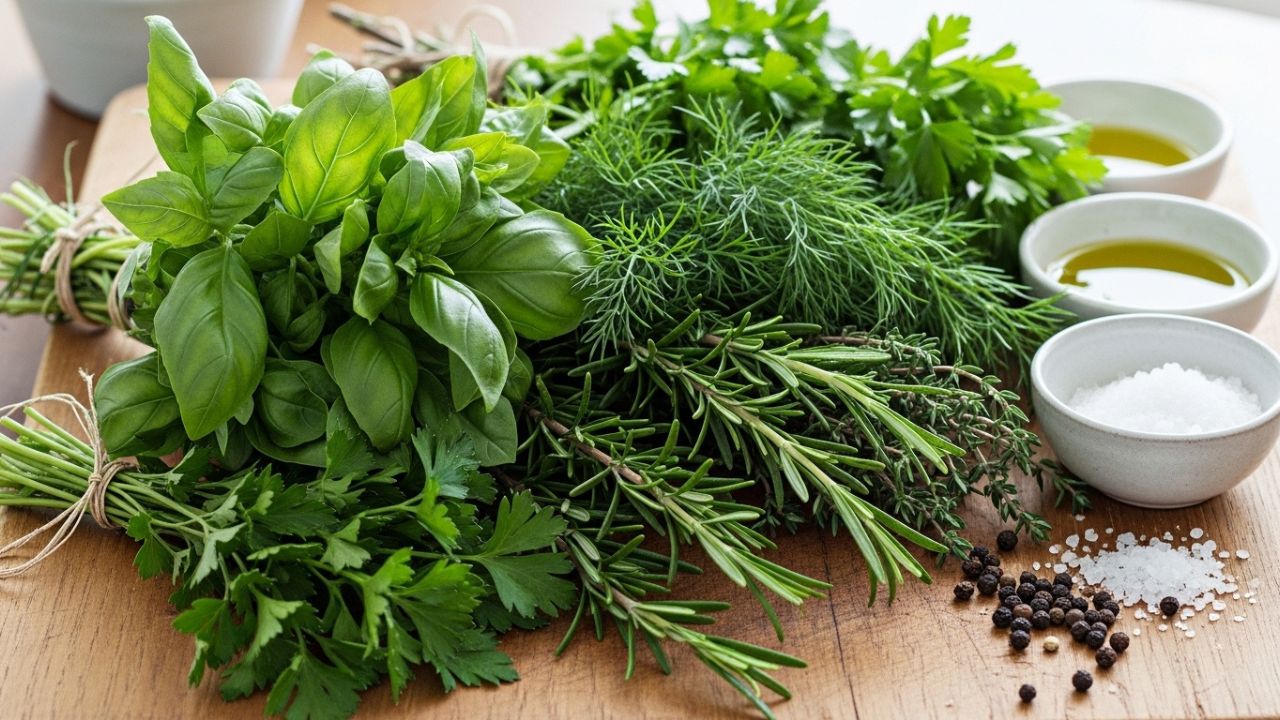
There is a specific kind of magic that happens when you toss a handful of freshly chopped parsley onto a finished pasta dish or slap a sprig of rosemary against a searing steak. It’s the difference between a meal that feels “functional” and one that feels “celebratory.” For the longest time, I viewed herbs as a luxury or a garnish—something to be added only when I was feeling fancy. However, as my cooking journey evolved, I realized that herbs are actually the heartbeat of great flavor. Learning the nuances of an herb usage guide isn’t just about memorizing names; it’s about understanding how aromatics interact with heat and fat. Whether you’re working with a few pots on your windowsill or grabbing bunches from the farmer’s market, mastering these greens will change the way you season forever. If you’re just starting to organize your pantry and fridge for better meals, you might want to browse our home cooking collection for more foundational tips.

The Great Divide: Soft vs. Hard Herbs
In my experience, the biggest mistake most home cooks make is treating all herbs the same. To master their use, you first need to categorize them into two distinct groups: Soft and Hard.
1. The Delicate “Soft” Herbs
Soft herbs have tender stems and leaves. Think of basil, cilantro, parsley, mint, and chives. These herbs are high in volatile oils that dissipate quickly when exposed to high heat.
- When to add them: Almost always at the very end of cooking or as a raw garnish.
- The Exception: I’ve found that if you’re making a sauce like a pesto, you want to keep the ingredients cold to preserve that vibrant green color.
2. The Robust “Hard” Herbs
Hard herbs have woody stems and tougher, resinous leaves. Rosemary, thyme, sage, and oregano fall into this category. These herbs are built to withstand the elements, and their flavors are actually locked inside the plant fibers.
- When to add them: Early in the cooking process. They need heat and moisture (or fat) to release their aromatic compounds.
- One trick I always use: When roasting chicken or potatoes, I toss the whole sprigs in. The heat of the oven “fries” the leaves, infusing the fat with flavor.
Timing is Everything: When to Season
After testing this several times with different stews and sauces, I’ve developed a “layered” approach to herb usage.
If I’m making a slow-cooked tomato sauce, I’ll start by sautéing a sprig of dried oregano or fresh thyme in the olive oil. This is called “blooming” the herbs. The fat carries the flavor throughout the entire pot. Then, right before serving, I’ll stir in a handful of fresh, torn basil. This provides a “high note” of freshness that balances the deep, concentrated flavor of the cooked herbs.
I’ve found that if you add soft herbs like cilantro to a simmering curry too early, they turn grey and lose their citrusy punch. Save them for the final 30 seconds of heat.
The Fresh vs. Dried Debate
We’ve all been there: a recipe calls for fresh tarragon, and all you have is a dusty jar in the back of the cabinet. Can you swap them? Yes, but you have to change your math.
Dried herbs are much more concentrated than fresh ones. The standard ratio is 1 tablespoon of fresh herbs to 1 teaspoon of dried herbs. However, one trick I always use to tell if my dried herbs are still good is the “rub and sniff” test. Crush a little bit of the dried herb in the palm of your hand. If you don’t get a strong, immediate aroma, the oils have evaporated. At that point, you’re just adding dried grass to your food. For a deeper look at the shelf life and safety of dried spices and herbs, you can refer to the USDA’s guidelines on pantry staples (opens in a new tab; rel=”nofollow”).
Practical Cooking Insights: Herb Pairings
Choosing the right herb for the right protein can be daunting. Based on my real-world kitchen experience, here are the pairings that never fail:
- Rosemary & Lamb/Potatoes: The piney notes of rosemary cut through the richness of lamb perfectly.
- Cilantro & Lime/Chili: This is the backbone of Latin and Southeast Asian cuisines. The brightness of the cilantro balances heat.
- Sage & Brown Butter/Squash: Sage has a slightly “fuzzy” texture and an earthy flavor that blossoms when fried in butter.
- Mint & Peas/Lamb/Chocolate: Mint isn’t just for dessert; its cooling properties are excellent for heavy, savory dishes.
- Dill & Fish/Cucumber: Dill has a delicate, anise-like flavor that highlights the sweetness of seafood.
Common Herb Mistakes to Avoid
- Using the Stems of Hard Herbs: While parsley and cilantro stems are actually quite flavorful and can be chopped finely, rosemary and thyme stems are like eating pine needles. Always strip the leaves off the woody stalks.
- Chopping with a Dull Knife: If your knife is dull, you aren’t cutting the herbs; you’re bruising them. If you see green stains on your cutting board, that’s flavor that should have been in your food.
- Washing Right Before Use: If you wash herbs and then try to chop them while they are still wet, they will turn into a soggy paste. Always wash and dry them thoroughly (a salad spinner is great for this) before the knife hits the board.

Keep Your Herbs Alive Longer
Fresh herbs are expensive, and there’s nothing worse than finding a slimy bag of cilantro in the crisper drawer. I’ve found that the best storage method depends on the herb type.
- For Soft Herbs (except Basil): Treat them like a bouquet of flowers. Trim the bottoms of the stems and place them in a glass with about an inch of water. Cover the top loosely with a plastic bag and keep them in the fridge.
- For Basil: Basil is tropical and hates the cold. It will turn black in the fridge. Keep your basil “bouquet” on the kitchen counter at room temperature.
- For Hard Herbs: Wrap them in a damp paper towel and tuck them into a reusable silicone bag or a zip-top bag in the crisper drawer. They can last for weeks this way.
Helpful FAQs
1. Can I freeze fresh herbs?
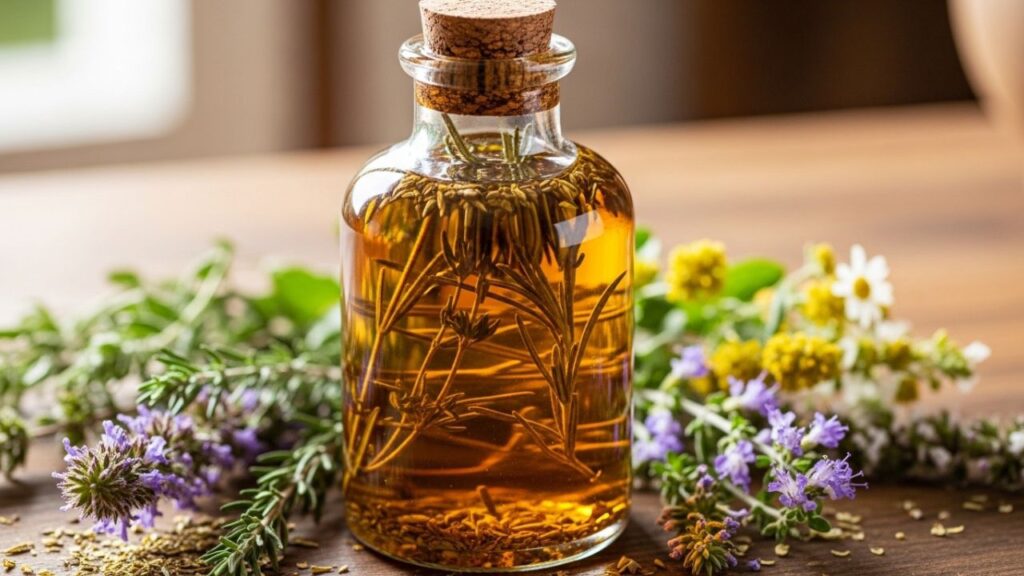
Yes! One trick I always use is chopping fresh herbs and placing them in an ice cube tray. Fill the rest of the cube with olive oil or melted butter and freeze. When you’re ready to cook, just drop a “flavor cube” into your pan.
2. Why does my parsley taste like soap?
You might be thinking of cilantro! A small percentage of the population has a genetic trait that makes cilantro taste like soap. Parsley, however, should taste bright and slightly peppery. If it tastes “off,” it might be past its prime.
3. How do I mince small herbs like thyme?
Instead of trying to chop individual tiny leaves, strip them from the stem by pulling your fingers against the grain of the growth. Then, pile the leaves together and use a rocking motion with your knife.
4. Is it okay to eat the flowers of herbs?
In most cases, yes! Chive blossoms, basil flowers, and rosemary flowers are all edible and often have a milder version of the herb usage flavor guide. They make beautiful garnishes.
5. Can I dry my own herbs at home?
Absolutely. herb usage guide upside down in a cool, dry place works well, or you can use a microwave. Sandwich herb usage guide between paper towels and zap them in 30-second increments until they are brittle.
Conclusion
A solid herb usage guide is really just a map to better flavor. Once you understand which herbs need time to simmer and which ones need to stay fresh and raw, the quality of your cooking will skyrocket. Don’t be afraid to experiment—try mint in your salad or sage in your pasta. The more you use these aromatic greens, the more intuitive your cooking will become.

Henry James is the writer behind Fooodies.site, where he shares easy recipes, practical cooking guides, and simple kitchen tips for everyday home cooks. He enjoys experimenting with flavors and turning everyday ingredients into delicious, homemade meals. His goal is to make cooking feel simple, enjoyable, and achievable for everyone. He focuses on creating clear, well-tested content that readers can trust and follow with confidence.