
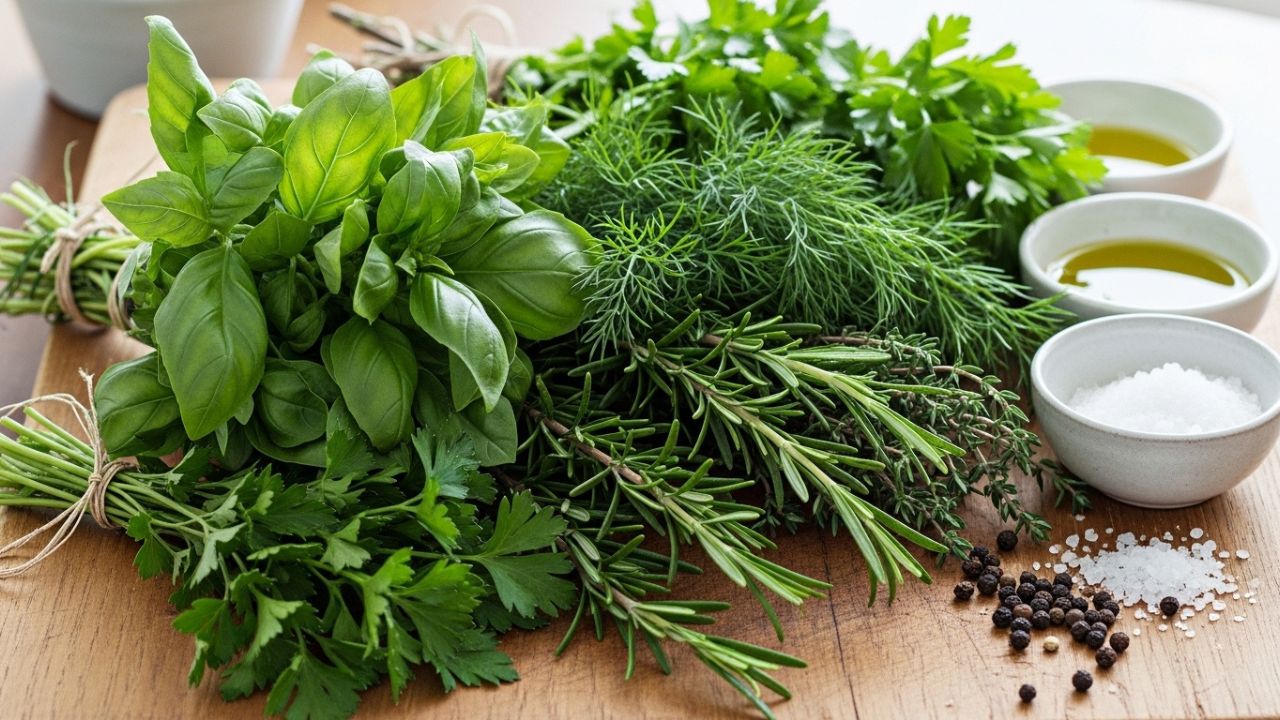
There’s something special that happens when you sprinkle freshly chopped parsley over pasta or add a sprig of rosemary to a sizzling steak. It turns a simple meal into something memorable. For a long time, I thought herbs were just decorative—nice to have, but not essential. Over time, I realized they are actually the foundation of great flavor.
Understanding how to use herbs isn’t about memorizing names—it’s about learning how they react to heat, oil, and timing, much like mastering the fundamentals in this guide to baking terms. Whether you grow them at home or pick them up from a local market, using fresh herbs properly can completely transform your cooking—especially in dishes like these homemade gourmet salad recipes.
The Great Divide: Soft vs. Hard Herbs
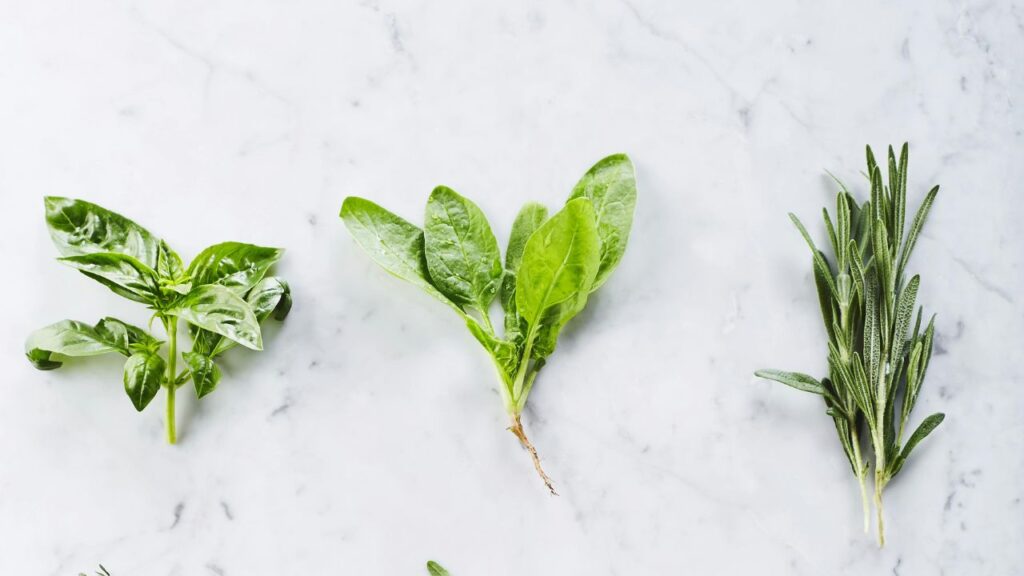
One of the most common mistakes in cooking is treating all herbs the same. In reality, herbs fall into two main categories: soft and hard.
1. The Delicate Soft Herbs
Soft herbs include basil, cilantro, parsley, mint, and chives. They have tender stems and delicate leaves, and their flavors are easily lost when exposed to high heat.
When to add them:
Add soft herbs at the end of cooking or use them fresh as a garnish.
Helpful tip:
If you’re making something like pesto, keep ingredients cool to maintain color and flavor.
2. The Robust Hard Herbs
Hard herbs include rosemary, thyme, sage, and oregano. These have woody stems and stronger, more concentrated flavors.
When to add them:
Add them early in the cooking process so heat and fat can extract their flavors.
Helpful tip:
When roasting vegetables or meats, toss in whole sprigs. They infuse the dish and can be removed easily before serving.
Timing is Everything: When to Season
Using herbs effectively often comes down to timing. A layered approach works best. For example, when making a slow-cooked tomato sauce, start by heating dried oregano or fresh thyme in oil. This helps release their flavor throughout the dish. Then, just before serving, add fresh basil for a bright, fresh finish. Soft herbs like cilantro should be added at the very end. If cooked too long, they lose their flavor and color.
The Fresh vs. Dried Debate
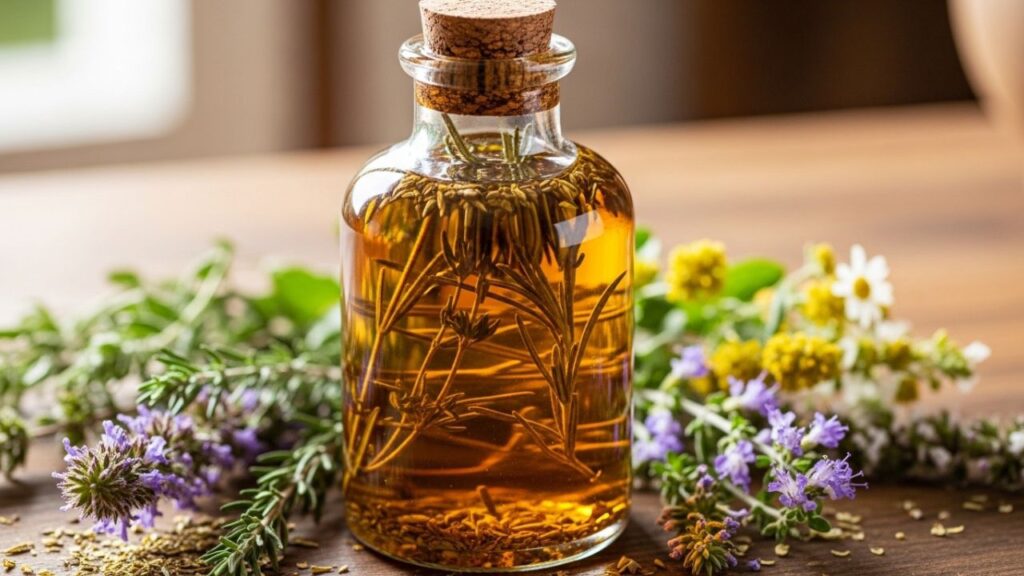
Sometimes recipes call for fresh herbs when you only have dried ones. The good news is you can substitute—but carefully. Dried herbs are more concentrated. A common rule is:
1 tablespoon fresh = 1 teaspoon dried To check if dried herbs are still good, crush a small amount in your hand. If the aroma is weak, they’ve likely lost their potency and won’t add much flavor.
Practical Cooking Insights Herb Pairings
Pairing herbs with the right foods can elevate your dishes:
- Rosemary & Lamb/Potatoes: Strong and earthy, perfect for rich foods
- Cilantro & Lime/Chili: Bright and fresh, balances spicy dishes
- Sage & Butter/Squash: Warm and slightly nutty when cooked
- Mint & Lamb/Peas: Adds freshness to heavier flavors
- Dill & Fish/Cucumber: Light and slightly sweet, ideal for seafood
Common Herb Mistakes to Avoid
- Using woody stems: Stems from herbs like rosemary and thyme are tough and should be removed before cooking.
- Using a dull knife: This bruises herbs and reduces flavor. Always use a sharp blade.
- Chopping wet herbs: Moisture makes herbs mushy. Wash and dry them thoroughly first.

Keep Your Herbs Alive Longer
Fresh herbs can spoil quickly if not stored properly.
- Soft herbs (except basil): Trim stems, place in water like a bouquet, cover loosely, and refrigerate
- Basil: Keep at room temperature—cold air damages it
- Hard herbs: Wrap in a damp paper towel and store in a sealed bag in the fridge
Conclusion
Learning how to use herbs properly can dramatically improve your cooking. Once you understand when to use them and how they behave, your meals will have more depth and balance. Don’t hesitate to experiment—trying new combinations is part of the process, especially when testing ideas in simple killer appetizer recipes.more natural it will feel.
FAQ’s
1. Can I freeze fresh herbs?
Yes. Chop them, place in ice cube trays, cover with oil or butter, and freeze. They’re ready to use anytime.
2. Why does my cilantro taste like soap?
This is genetic. Some people naturally perceive cilantro this way. Parsley does not have this effect.
3. How do I mince small herbs like thyme?
Strip leaves from the stem using your fingers, then chop them together with a knife.
4. Are herb flowers edible?
Yes, many are. Chive, basil, and rosemary flowers are edible and make great garnishes.
5. Can I dry herbs at home?
Yes. Tie them in small bundles and hang them upside down in a cool, dry place. You can also dry them in short intervals using a microwave between paper towels.

Henry James is the writer behind Fooodies.site, where he shares easy recipes, practical cooking guides, and simple kitchen tips for everyday home cooks. He enjoys experimenting with flavors and turning everyday ingredients into delicious, homemade meals. His goal is to make cooking feel simple, enjoyable, and achievable for everyone. He focuses on creating clear, well-tested content that readers can trust and follow with confidence.