There is a specific kind of magic that happens when the botanical, often astringent notes of tea meet the creamy, sugary world of pâtisserie. For years, I approached tea as nothing more than a beverage—a morning ritual or a rainy-day comfort. But after spending countless hours in my kitchen experimenting with infusions, I’ve realized that tea is essentially a spice cabinet in a leaf. From the maltiness of a strong Assam to the floral whispers of tea desserts Grey, tea provides a sophisticated counterpoint to sweetness that coffee simply cannot match.
If you are tired of the same old vanilla-on-vanilla flavor profiles, learning to bake with tea is the ultimate “level up” for your home kitchen. It requires a bit of patience and an understanding of how liquid ratios work, but once you master the infusion, you’ll never look at a tea bag the same way again. If you’re looking to expand your repertoire beyond the teapot, feel free to explore more easy dessert recipes on our site to find the perfect pairing for your next afternoon tea.
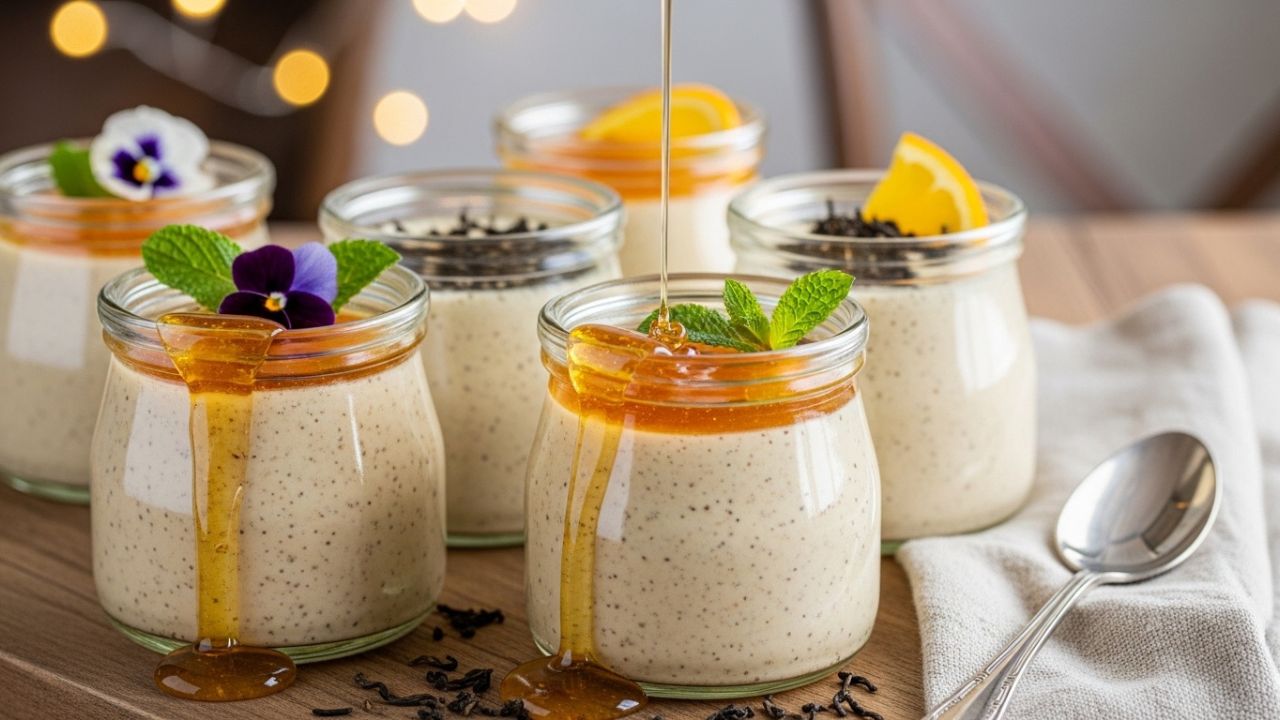
In this guide, we are focusing on a recipe that I consider the “Gold Standard” of tea desserts: The Earl Grey & Honey Infused Panna Cotta. It is elegant, deceptively simple, and showcases exactly how tea can transform a texture-driven dessert into a gourmet experience.
The Master Ingredient List
To get that perfect “wobble” and a deep, aromatic flavor, precision is non-negotiable. I have tested this recipe using both volume and weight; for the best results, I highly recommend using a digital scale.
The Dairy Base
- 400g (approx. 1 ¾ cups) Heavy Cream: Use a cream with at least 35% fat content. This is the vehicle for the tea flavor.
- 100g (approx. 1/2 cup) Whole Milk: I’ve found that using 100% heavy cream can feel too heavy on the palate, masking the delicate citrus notes of the tea. The milk lightens the texture just enough.
The Infusion
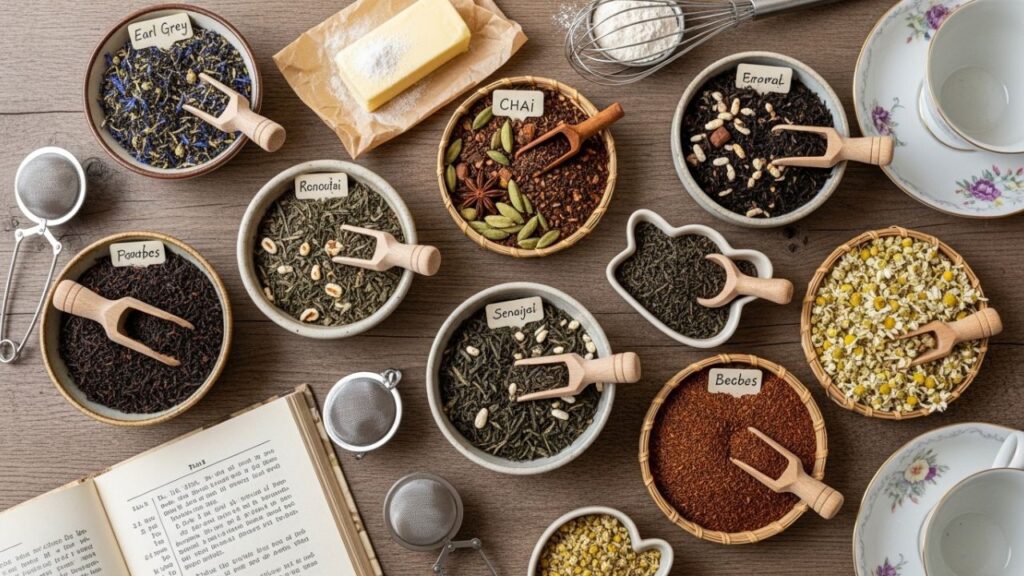
- 10g (approx. 4-5 bags) High-Quality Earl Grey Tea: Look for tea that uses real bergamot oil. If using loose leaf, use 3 tablespoons.
- 60g (approx. 3 tablespoons) Mild Honey: I prefer clover or wildflower. Avoid buckwheat honey, as it will overpower the tea.
The Setting Agent
- 7g (1 standard packet) Unflavored Powdered Gelatin: This provides the structure.
- 30ml (2 tablespoons) Cold Water: For blooming the gelatin.
Flavor Enhancers
- 1/4 teaspoon Fine Sea Salt: Salt is the most underrated ingredient in tea desserts; it cuts through the tannins and makes the floral notes pop.
- 1 teaspoon Vanilla Paste: The flecks of vanilla bean add visual cues of quality and a creamy aromatic finish.
The Step-by-Step Method: Mastery in the Infusion
1. Bloom the Gelatin
Before you even touch the stove, sprinkle your gelatin over the 30ml of cold water in a small bowl. One trick I always use is to let it sit for at least 5 to 10 minutes. You want the granules to fully hydrate; if they are still crunchy or dry when added to the hot liquid, your panna cotta will be grainy rather than silky.
2. The Controlled Steep
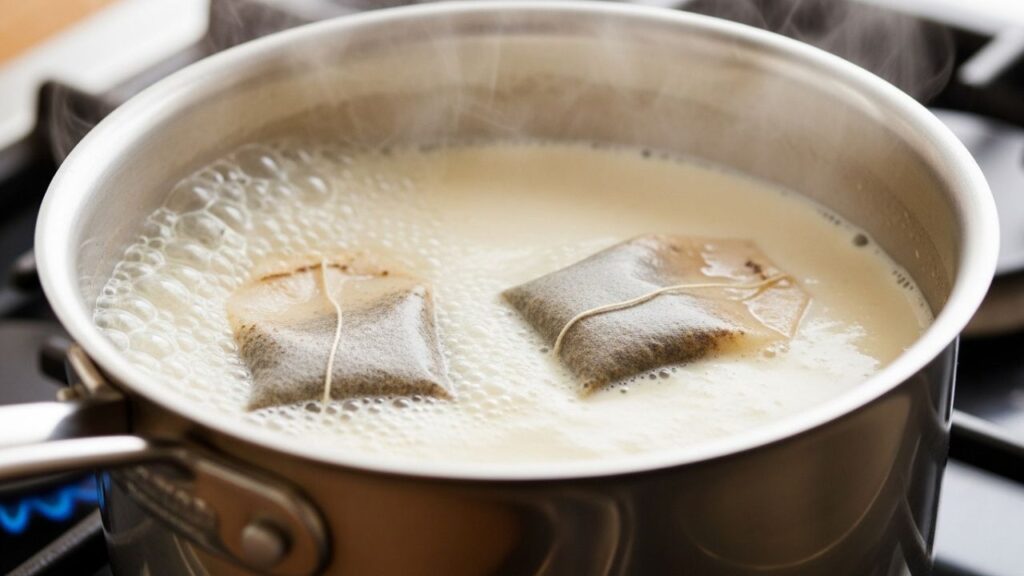
In a medium saucepan, combine the heavy cream, honey, and salt. Heat over medium-low until it reaches a gentle simmer—look for small bubbles forming around the edges, but do not let it reach a rolling boil. Remove from heat and add your Earl Grey tea.
After testing this several times, I’ve found that a 6-minute steep is the “sweet spot.” Any shorter and the flavor is faint; any longer and the tannins in the black tea begin to turn bitter, creating a harsh aftertaste that cloys at the back of the throat.
3. Incorporating the Texture
Once the tea has steeped, remove the bags (or strain the loose leaves through a fine-mesh sieve, pressing down firmly to extract every drop of concentrated flavor). While the cream is still hot (but not boiling), whisk in the bloomed gelatin and the vanilla paste. Whisk constantly for about 2 minutes. In my experience, people often stop whisking too soon. You need to ensure every microscopic bit of gelatin has dissolved into the fat molecules of the cream.
4. The Tempering Phase
Stir in the cold whole milk. This serves two purposes: it brings the temperature down quickly and ensures the vanilla bean specks don’t all sink to the bottom of your molds.
5. The Chill
Pour the mixture into ramekins or glass jars. The texture turns out best when chilled slowly. Cover them with plastic wrap (ensuring the wrap doesn’t touch the surface) and refrigerate for at least 6 hours, though overnight is vastly superior for flavor development.
Technique Insight: The Science of Infusion and Fat
When we talk about tea desserts, we are essentially talking about lipid-based extraction. The essential oils in tea leaves (like the bergamot in Earl Grey or the polyphenols in Matcha) are often fat-soluble.
When you steep tea in water, you get a thin, bright extraction. But when you steep tea in heavy cream, the fat globules surround the flavor compounds. This creates a “time-release” effect on the palate. The fat coats your tongue, and as it melts, the tea flavor is released gradually. This is why tea-infused chocolates and creams often taste more “complex” than a simple cup of tea.
However, there is a chemical limit. If your cream is too hot (above 190°F or 88°C), you risk “scalding” the delicate floral notes. Always aim for a gentle steep rather than a vigorous boil to keep the botanical integrity intact.
Common Mistakes (And How to Rescue Them)
- The “Rubber” Texture:
- Why it happens: Too much gelatin or measuring by “envelopes” which can vary in weight.
- The Fix: If the mixture hasn’t set yet, you can’t do much, but next time, use a digital scale. If it’s already set and too firm, you can actually melt it back down in a double boiler, add a splash more cream, and re-set it.
- The Grainy Mouthfeel:
- Why it happens: The gelatin wasn’t fully bloomed or the cream wasn’t hot enough to melt it.
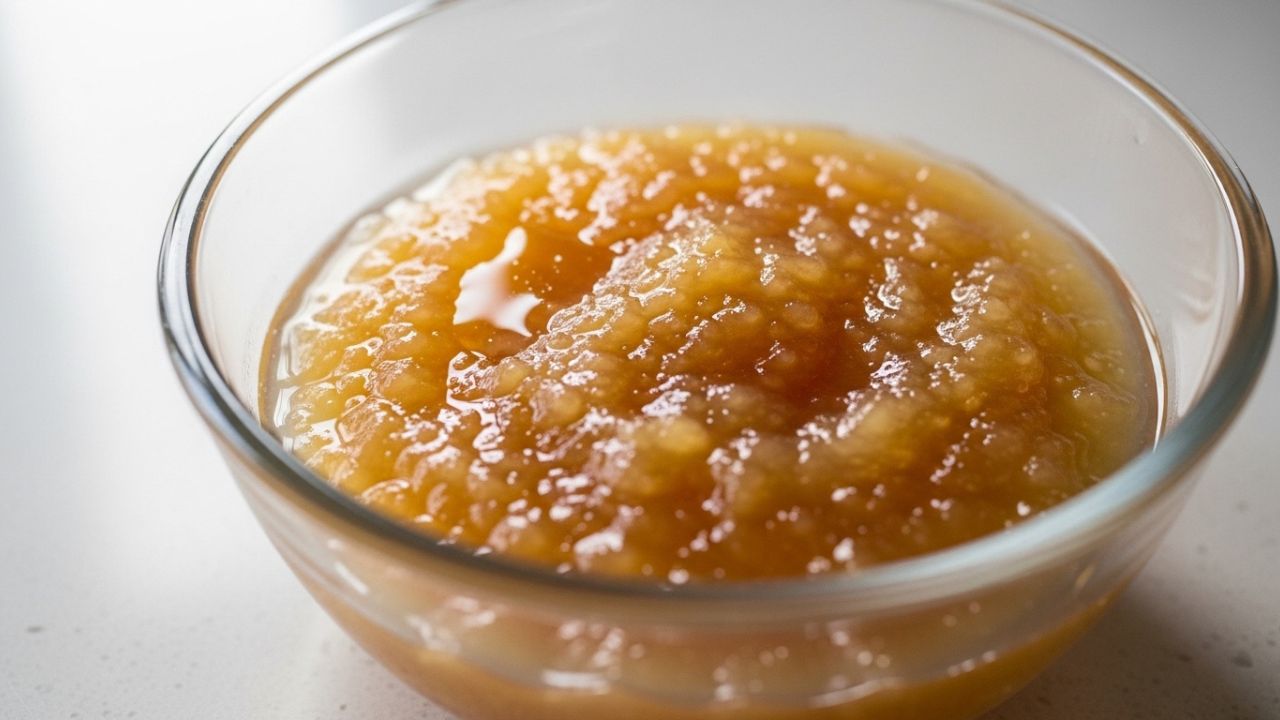
- Prevention: Always touch the “bloom” with your finger; it should feel like firm applesauce, not dry powder.
- Weak Tea Flavor:
- Why it happens: Using old tea or not enough of it. Tea loses its potency after 6 months.
- Prevention: Use fresh, loose-leaf tea whenever possible. If using bags, use twice as many as you would for a standard drink.
- Separation (Oil on Top):
- Why it happens: The mixture boiled too hard, causing the cream to “break” or emulsify poorly with the honey.
- The Fix: Whisk vigorously while the mixture is over an ice bath to re-emulsify before the gelatin sets.
Storage & Make-Ahead Advice
Tea-infused dairy is sensitive to “fridge smells.” Because fats absorb odors, an uncovered panna cotta will quickly start to taste like the onions or leftovers stored nearby.
- Refrigeration: Store in the coldest part of the fridge for up to 4 days. Keep them tightly sealed.
- Freezing: I do not recommend freezing gelatin-based tea desserts. The ice crystals damage the protein structure of the gelatin, and upon thawing, the dessert will “weep” liquid (syneresis) and become spongy.
- Texture Changes: You will notice that by day three, the tea flavor actually intensifies. This is due to the continued oxidation of the tea compounds within the cream. It’s often better on day two!
Serving Suggestions & Creative Variations
- The London Fog Twist: Serve the panna cotta with a dollop of lightly sweetened whipped cream and a sprinkle of dried culinary lavender.
- The Seasonal Fruit Approach: In the summer, top with fresh blackberries macerated in a bit of lemon juice. The acidity of the berries cuts through the richness of the Earl Grey beautifully.
- The Smoked Variant: Swap Earl Grey for Lapsang Souchong tea. This creates a campfire-smoky dessert that pairs incredibly well with a salted caramel drizzle.
- Matcha White Chocolate: Use the same base ratios but swap the Earl Grey for 1.5 tablespoons of ceremonial grade Matcha powder. Whisk the powder into the milk first to avoid clumps.
Conclusion
Mastering tea-infused desserts is about finding the balance between the delicate and the decadent. Through my journey of trial and error in the kitchen, I’ve learned that the most important ingredient isn’t actually the tea itself, but the patience required to let it steep correctly. Whether you are making a silky panna cotta, a tea-infused ganache, or a simple shortbread, remember to respect the “steep time” and always prioritize high-fat dairy to carry those complex botanical notes.
Don’t be afraid if your first batch isn’t perfect—every kitchen has its own “vibe” and temperature quirks. With the measurements and techniques provided here, you have a foolproof foundation. Go forth and turn your pantry’s tea collection into the star of your next dinner party!
Frequently Asked Questions
1.Can I use herbal tea for these desserts?
Absolutely. Rooibos and Hibiscus work exceptionally well. However, be aware that Hibiscus is highly acidic and can sometimes curdle dairy if not handled carefully. Stick to herbal teas like Chamomile or Mint for the safest results in creamy desserts.
2.Why does my tea dessert taste bitter?
Bitterness usually stems from over-steeping or using water/cream that was too hot. Black teas release tannins quickly. If you want a stronger flavor, increase the quantity of tea leaves rather than the time spent steeping.
3.Is it better to use tea bags or loose-leaf tea for baking?
Loose-leaf tea is generally superior because the leaves are larger and of higher quality, providing a more nuanced flavor. Tea bags often contain “fannings” or “dust,” which can lead to a more one-dimensional, astringent taste.
4.Can I substitute sugar for honey in tea recipes?
Yes, you can swap them at a 1:1 ratio by weight. However, honey contains floral notes that naturally complement tea. If using granulated sugar, I recommend using a blonde cane sugar or caster sugar for a cleaner sweetness.
5.How do I prevent a “skin” from forming on my tea creams?
To prevent a skin, press a piece of plastic wrap directly onto the surface of the liquid (contact wrapping) while it cools. T
