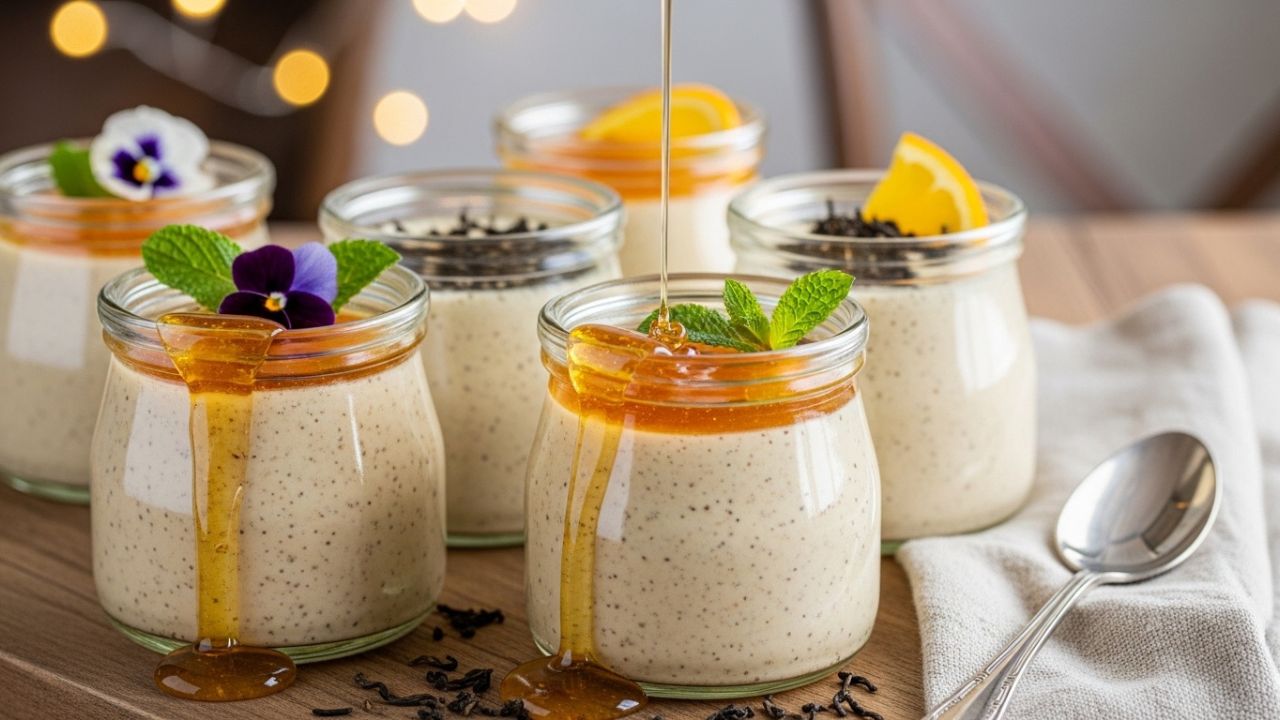
There is a special kind of magic that happens when the botanical, gently astringent notes of tea meet the creamy, sweet world of pâtisserie. For years, I treated tea as nothing more than a drink—a morning ritual or a way to unwind on rainy evenings. But after countless experiments in the kitchen, I’ve come to see tea as a spice cabinet in leaf form. From the malty depth of Assam to the floral brightness of Earl Grey tea, tea brings a refined contrast to sweetness that coffee rarely achieves.
If you are tired of the same vanilla-heavy desserts, baking with tea is the perfect way to elevate your kitchen skills, and mastering homemade baking techniques can further enhance your culinary creativity. It takes patience and a basic understanding of infusion techniques, but once you master it, you’ll never look at a simple tea bag the same way again. If you enjoy experimenting, you can also explore creative dessert variations on your site for pairing inspiration. In this guide, we are focusing on what I consider the gold standard of tea desserts: Earl Grey & Honey Infused Panna Cotta. It is elegant, simple to prepare, and a perfect example of how tea can transform a texture-based dessert into something truly luxurious.
The Master Ingredient List
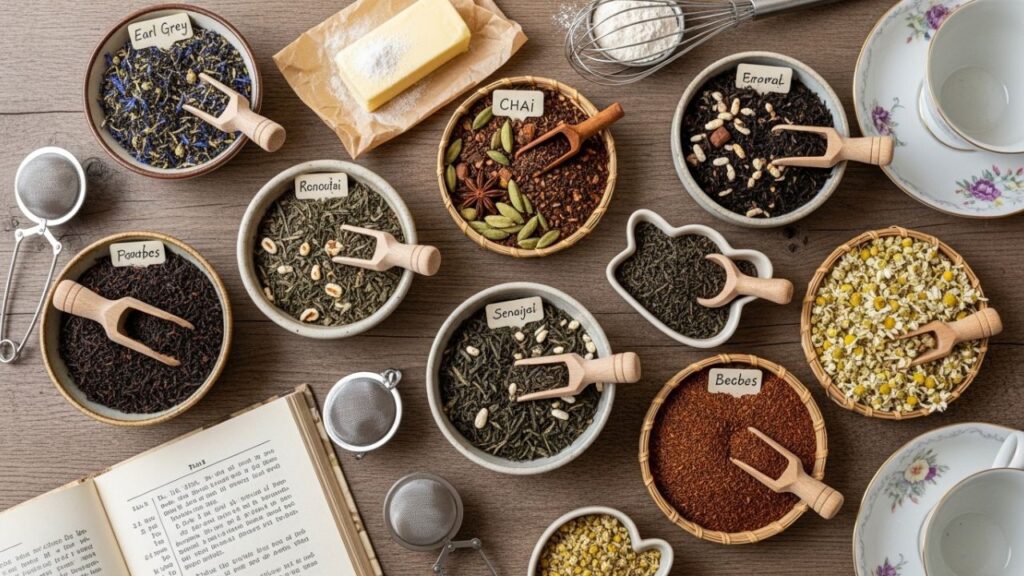
Loose-leaf teas offer a wide spectrum of flavors that work beautifully in desserts. Black teas bring depth, green teas add freshness, and herbal blends contribute floral or fruity notes. Choosing the right tea determines the final character of your dessert, so freshness and quality are essential.
The Dairy Base
Precision is key for achieving the perfect silky texture and balanced flavor. Weighing ingredients is highly recommended for consistent results.
The Infusion
- 400g (about 1¾ cups) heavy cream with at least 35% fat content forms the rich foundation of this dessert. It carries the tea flavor and creates the signature silky mouthfeel.
- 100g (about ½ cup) whole milk lightens the mixture slightly, preventing the dessert from feeling overly heavy while preserving delicate tea notes.
The Setting Agent
- 7g (1 standard packet) unflavored powdered gelatin provides structure and the classic panna cotta wobble.
- 30ml (2 tablespoons) cold water is used to bloom the gelatin properly before mixing.
Flavor Enhancers
- 1/4 teaspoon fine sea salt enhances flavor depth and balances sweetness.
- 1 teaspoon vanilla paste adds warmth and aromatic depth while improving overall complexity.
Mastery in the Infusion
1. Bloom the Gelatin
Sprinkle gelatin over cold water and let it sit for 5–10 minutes. It should fully hydrate into a soft, gel-like consistency. Proper blooming ensures a smooth, lump-free texture later.
2. The Controlled Steep
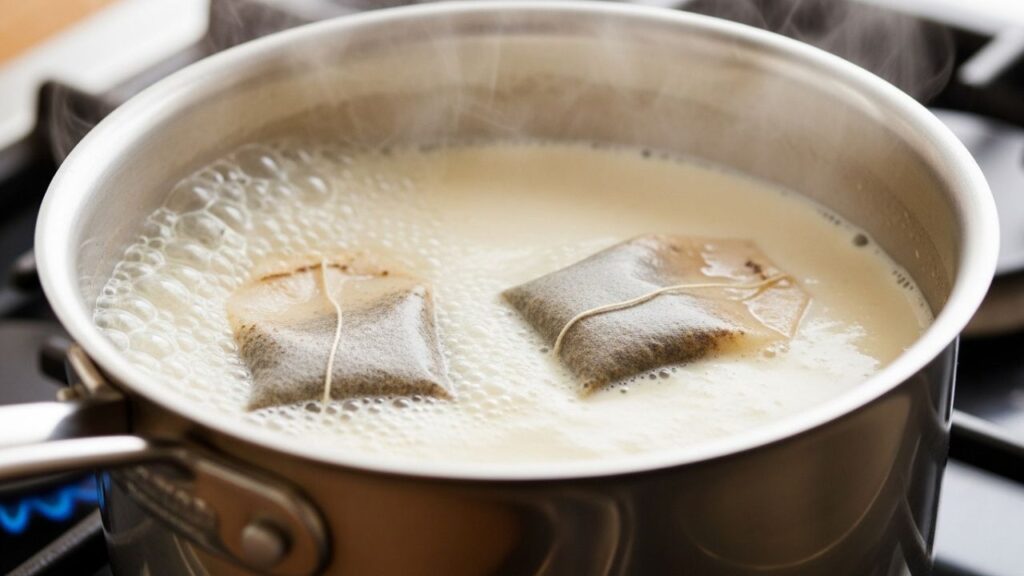
In a saucepan, combine cream, honey, and salt. Heat gently until small bubbles form around the edges—avoid boiling. Remove from heat, add the tea, and steep for about 6 minutes for optimal flavor balance.
3. Incorporating the Texture
Strain out the tea leaves or remove the bags, pressing gently to extract flavor. While the mixture is still hot, whisk in the bloomed gelatin and vanilla paste until fully dissolved and smooth.
4. The Tempering Phase
Stir in the cold milk to cool the mixture slightly and improve texture consistency. This step also helps distribute flavor evenly.
5. The Chill
Pour into molds or ramekins. Cover and refrigerate for at least 6 hours, preferably overnight, until fully set with a delicate wobble.
Technique Insight
Tea-infused desserts rely on the interaction between flavor compounds and fat. Many aromatic compounds in tea are fat-soluble, meaning they bind beautifully with cream.
When steeped in dairy, tea releases flavors more slowly and evenly compared to water. This creates a richer, more rounded taste experience. However, overheating the cream can damage delicate floral notes, so gentle heat is always best.
Common Mistakes (And How to Rescue Them)
- The Rubber Texture:
- Why it happens: Too much gelatin or measuring by envelopes which can vary in weight.
- The Fix: If the mixture hasn’t set yet, you can’t do much, but next time, use a digital scale. If it’s already set and too firm, you can actually melt it back down in a double boiler, add a splash more cream, and re-set it.
- The Grainy Mouthfeel:
- Why it happens: The gelatin wasn’t fully bloomed or the cream wasn’t hot enough to melt it.
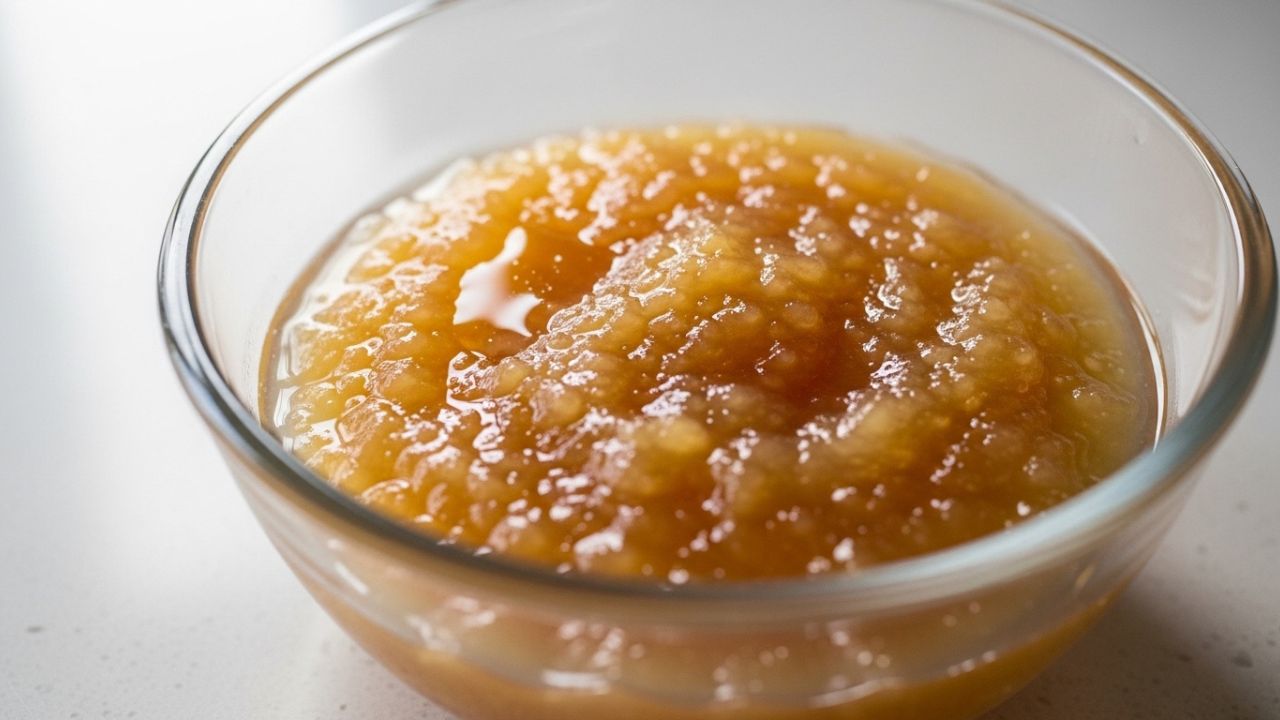
- Prevention: Always touch the bloom with your finger; it should feel like firm applesauce, not dry powder.
- Weak Tea Flavor:
- Why it happens: Using old tea or not enough of it. Tea loses its potency after 6 months.
- Prevention: Use fresh, loose-leaf tea whenever possible. If using bags, use twice as many as you would for a standard drink.
- Separation (Oil on Top):
- Why it happens: The mixture boiled too hard, causing the cream to break or emulsify poorly with the honey.
Storage & Make-Ahead Advice
Tea-infused desserts absorb fridge odors easily, so proper storage is essential. Refrigerate for up to 4 days in airtight containers. Store in the coldest part of the fridge for best results. Freezing is not recommended, as it damages the gelatin structure and results in a watery texture after thawing. Interestingly, the flavor deepens after a day or two as the tea continues to infuse gently into the cream.
Serving Suggestions & Creative Variations
- London Fog Twist: Top with lightly sweetened whipped cream and a touch of dried lavender for a floral finish.
- Seasonal Fruit Approach: Fresh berries with a splash of citrus juice add brightness that balances the creamy base.
- Smoked Variant: Lapsang Souchong tea adds a smoky depth that pairs beautifully with caramel sauces.
- Matcha White Chocolate: Replace Earl Grey with ceremonial-grade matcha, whisked into milk before combining to prevent clumping.
Conclusion
Mastering tea-infused desserts is about balance—between delicacy and richness, aroma and texture. Through experimentation, you learn that patience is just as important as ingredients. Whether you are making panna cotta, ganache, or cookies, respecting steep times and using quality dairy makes all the difference. For those looking to adjust sweetness, sugar-free dessert tips can provide helpful guidance. Don’t worry if your first attempt isn’t perfect; every kitchen behaves differently, and that’s part of the process. With these techniques, you now have a strong foundation to turn simple tea into elegant desserts worthy of any table.
FAQ’s
1.Can I use herbal tea for these desserts?
Yes. Herbal teas like chamomile, rooibos, and mint work very well. Be cautious with highly acidic teas like hibiscus, as they may affect dairy stability if not balanced properly.
2.Why does my tea dessert taste bitter?
Bitterness usually comes from over-steeping or overheating the tea. To intensify flavor, increase tea quantity rather than steeping time.
3.Is it better to use tea bags or loose-leaf tea for baking?
Loose-leaf tea is generally better because it offers higher quality leaves and more nuanced flavor. Tea bags often contain finer particles that produce a stronger but less refined taste.
4.Can I substitute sugar for honey in tea recipes?
Yes, you can substitute it in equal amounts by weight. However, honey adds floral complexity that pairs naturally with tea, while sugar provides a cleaner sweetness.
5.How do I prevent a skin from forming on my tea creams?
Place plastic wrap directly on the surface of the mixture while it cools. This prevents air exposure, which causes the skin to form. Once fully chilled and set, it can be removed cleanly.
