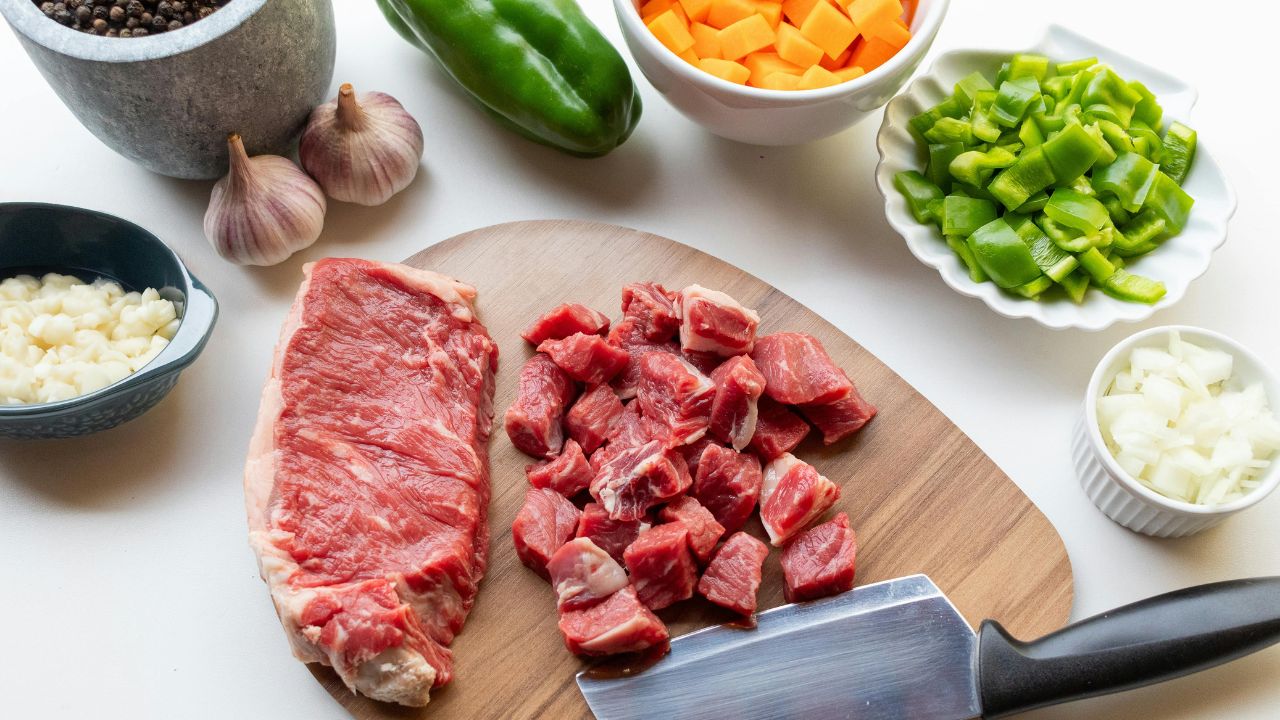
Cooking wild boar can feel a little intimidating the first time it shows up in your kitchen. Many home cooks are used to pork chops or pork roasts from the grocery store, but boar is a different experience. The flavor is deeper, the meat is leaner, and the cooking methods often require a bit more patience. That doesn’t mean it’s difficult to cook. In fact, once you understand the basics, many recipes for boar are surprisingly straightforward. The key is knowing how the meat behaves and adjusting your approach so it stays tender and flavorful.
Wild boar has been part of traditional cooking in many parts of the world for generations. From slow-braised stews in Europe to grilled preparations in rustic countryside kitchens, cooks have long appreciated its rich taste. When handled properly, it can become one of the most rewarding meats to cook. In this guide, we’ll walk through what makes boar meat unique, why it needs slightly different cooking techniques, and the practical kitchen habits that help bring out its best flavor. Think of it as advice based on general wild game cooking principles and home cooking experience.
What Makes Wild Boar Different from Regular Pork
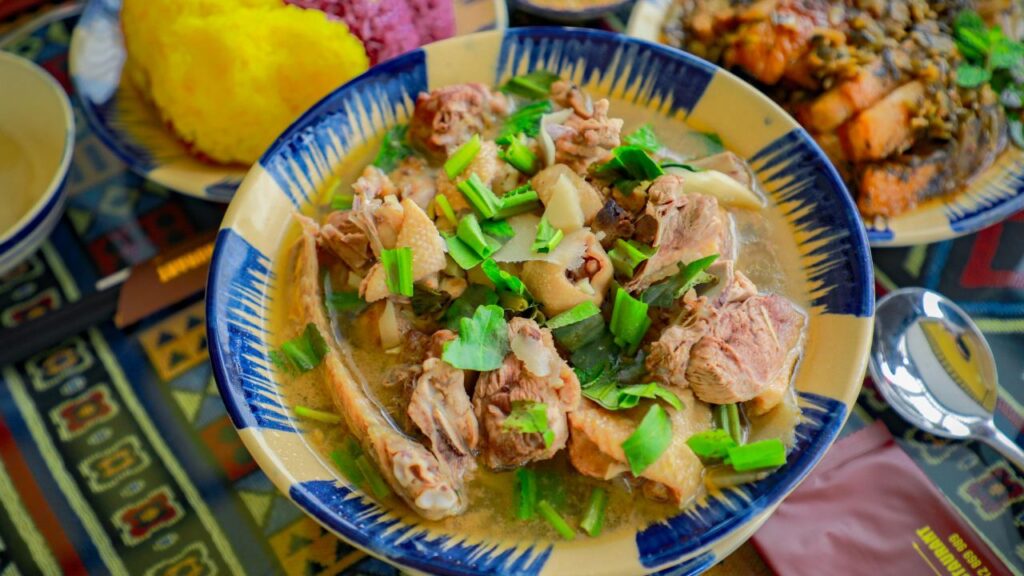
At first glance, wild boar may look similar to pork, but there are a few key differences that change the way you cook it. The biggest difference is fat content. Wild boar is usually much leaner than farm-raised pork. Because it lives and moves freely, its muscle structure is firmer and contains less fat marbling.
This lean quality is part of what gives boar its distinctive flavor. Many people describe it as richer and slightly more earthy than standard pork. Lean meats like this generally require careful temperature control to avoid drying out during cooking.
Another difference is color. Boar meat often appears darker red than pork, which reflects the animal’s active lifestyle and natural diet. Once you understand these characteristics, the cooking process becomes much easier to manage.
Why Cooking Boar Requires a Slightly Different Approach
Because boar is lean, it reacts differently to heat. Cooking it the same way you might cook fatty pork can sometimes lead to dry or tough meat.
Most successful recipes for boar rely on two main strategies:
Quick cooking for tender cuts
Tenderloin and loin cuts can be grilled or pan-seared quickly over higher heat.
Slow cooking for tougher cuts
Shoulder or leg cuts benefit from slow braising or roasting, which gradually breaks down connective tissue.
The flavor profile also pairs well with bold seasonings such as garlic, onions, rosemary, thyme, mushrooms, and wine-based sauces, as seen in creative ways to season and prepare meat that elevate simple home recipes. These ingredients enhance the natural richness without overpowering it.utifully with game meats.
Preparing Boar Meat Before It Reaches the Pan
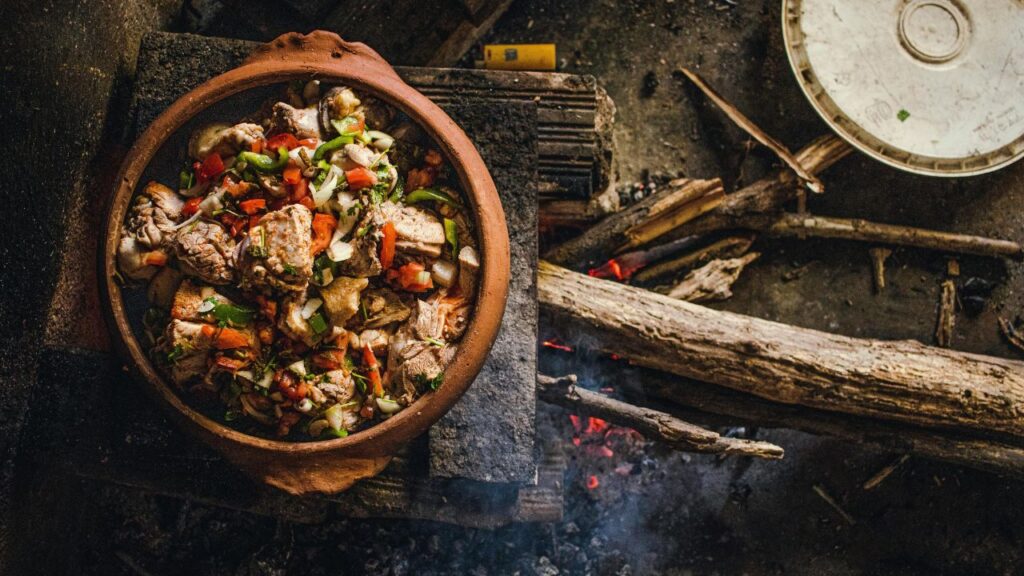
A little preparation goes a long way when cooking wild game.
Trim excess tissue
Before cooking, take a few minutes to trim away any thick connective tissue or silver skin. This helps prevent chewiness and gives the meat a cleaner texture.
Consider marinating
Marinating is one of the easiest ways to improve both tendA little preparation goes a long way when cooking wild game.
Trim excess tissue
Before cooking, remove any thick connective tissue or silverskin. This helps improve tenderness and creates a cleaner texture.
Consider marinating
Marinating can improve both flavor and tenderness. A simple marinade may include olive oil, garlic, herbs, and a mild acid such as vinegar or citrus juice. Even a few hours helps, while overnight marination is often best for larger cuts.
Let the meat rest before cooking
Allowing the meat to sit at room temperature for a short time before cooking helps it cook more evenly.
These small steps can noticeably improve the final dish.
Cooking Methods That Bring Out the Best Flavor
Once the meat is prepared, choosing the right Once the meat is prepared, choosing the right cooking method becomes the key step.
Grilling
Grilling works well for tender cuts like loin. High heat creates a flavorful crust while keeping the inside juicy. Preheat the grill well, lightly oil the meat, and avoid excessive flipping.
Pan-searing
A heavy skillet can produce excellent results. Searing first and then finishing at a lower heat helps retain moisture and develop flavor.
Braising
For tougher cuts, braising is one of the most reliable methods. Slow cooking in broth or stock gradually softens the fibers and builds deep flavor. This technique is commonly used in traditional game recipes.
Practical Kitchen Habits for Cooking Boar Successfully
Over time, most cooks develop small habits that make cooking easier and more reliable. Use a thermometer
Lean meats benefit from careful temperature monitoring. This helps avoid overcooking. Let the meat rest after cooking Resting allows juices to redistribute throughout the meat, improving texture.
Pair the meat with balanced sides
Root vegetables, mushrooms, and fruit-based sauces often complement boar nicely. You’ll notice similar flavor balance in dishes served at the Red Apple Chinese Restaurant, where savory meats are often paired with vegetables and aromatic sauces to create well-rounded meals.
Common Mistakes When Cooking Wild Boar
Even experienced cooks sometimes run into trouble with game meats. Fortunately, most problems come from a few predictable mistakes.
Overcooking the meat
Because boar is lean, it can dry out quickly if cooked too long.
Skipping preparation steps
Trimming and marinating might feel optional, but they often improve results significantly.
Under-seasoning
Wild meats can handle stronger herbs and spices than everyday pork.
Choosing the wrong cooking method
Some cuts need slow cooking to become tender, while others work best with quick heat.
Avoiding these mistakes will immediately improve most boar dishes.
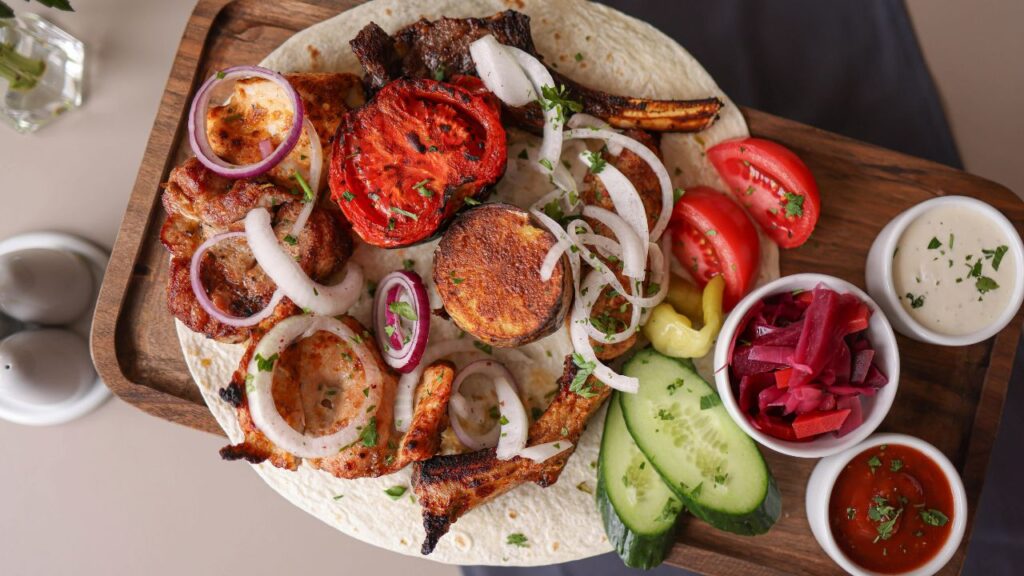
Storing and Handling Boar Meat at Home
Proper storage helps maintain freshness and flavor.
Refrigeration
Keep fresh boar meat refrigerated and use it within a few days when possible.
Freezing
If not cooking immediately, wrap it tightly to prevent freezer burn.
Leftovers
Cooked boar should be stored in an airtight container and refrigerated. Leftovers can be reused in soups, wraps, or grain-based meals.
Good storage practices help reduce waste and maintain quality.
Final Thoughts
Cooking boar is less about complexity and more about understanding the meat. With proper trimming, thoughtful seasoning, and the right cooking method, it becomes an approachable ingredient even for home cooks new to wild game. Once you get comfortable with it, wild boar opens the door to richer flavors and more adventurous home cooking, where home-cooked meal techniques for lean meats can produce deeply satisfying meals
Frequently Asked Questions
1. Does wild boar taste very different from pork?
Yes, it has a richer, more robust flavor compared to regular pork.
2. Do you always need to marinate boar?
Not always, but marinating can improve tenderness and flavor, especially for tougher cuts.
3. What herbs work best with boar meat?
Garlic, rosemary, thyme, and sage are commonly used.
4. Can boar be grilled like steak?
Yes, tender cuts like loin can be grilled if cooked carefully.
5. What sides go well with boar dishes?
Roasted vegetables, mushrooms, grains, and fruit-based sauces pair well.
.

Henry James is the writer behind Fooodies.site, where he shares easy recipes, practical cooking guides, and simple kitchen tips for everyday home cooks. He enjoys experimenting with flavors and turning everyday ingredients into delicious, homemade meals. His goal is to make cooking feel simple, enjoyable, and achievable for everyone. He focuses on creating clear, well-tested content that readers can trust and follow with confidence.