
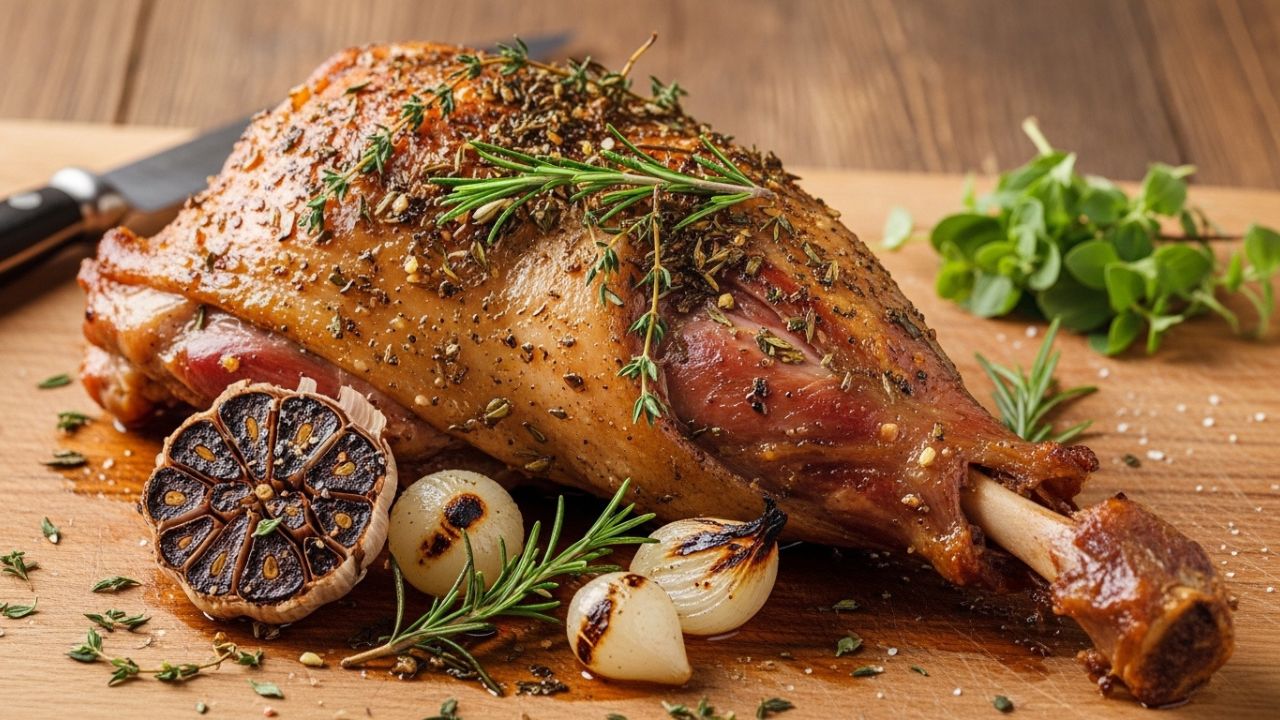
If you’ve ever stepped into a well-stocked butcher shop or a busy international market, you may have noticed a large, impressive cut of meat that instantly raises questions about how to cook it properly. I’m talking about the humble yet deeply flavorful leg of goat. For many home cooks, goat meat—also known as chevon or cabrito—still feels unfamiliar compared to beef or lamb. But once you learn how to handle it, you’ll discover a rich, earthy flavor that stands confidently on its own. For additional herbs and natural flavoring tips, check out Simply Herb
Growing up, my kitchen always felt alive with different aromas, but nothing quite matched the slow, comforting smell of meat roasting on a quiet weekend afternoon. Goat meat is naturally lean, which makes it a healthier option, but also one that needs careful cooking to avoid drying out. It rewards patience, gentle heat, and a bit of care to reach that tender, fall-apart texture. Once mastered, it becomes a dish worth repeating for family gatherings or special occasions.
Preparation Basics
Cooking a whole goat leg is not something you rush through after work. It’s more of a weekend cooking project that rewards patience.
Prep time: 30 minutes (plus optional overnight marination)
Cook time: 4 to 5 hours
Total time: About 5 hours 30 minutes
Serving size: 6–8 people
The Shopping List
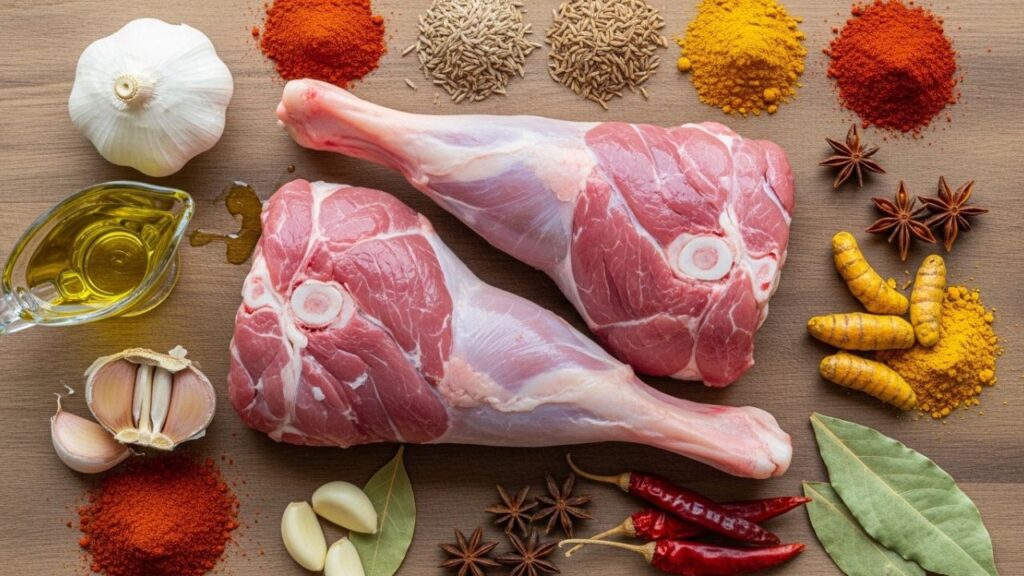
For the best results, choose a leg weighing around 5 to 7 pounds. Smaller cuts may dry out too quickly, while larger ones can be harder to fit in a standard roasting pan.
The Main Event
- 1 whole bone-in goat leg
The Aromatic Rub
- 6 garlic cloves, mashed into a paste 3 tablespoons olive oil 2 tablespoons sea salt 1 tablespoon black pepper 1 tablespoon smoked paprika 2 teaspoons ground cumin 1 teaspoon dried oregano
The Braising Liquid
- 2 cups beef or vegetable stock 1 cup dry red wine 2 onions, quartered 3 carrots, chopped into large pieces Fresh rosemary and thyme
Transforming the Tough into the Tender
The key to a great goat leg roast is patience. Low heat and slow cooking are essential because high temperatures can easily dry out the meat and make it chewy. You can also explore other expert meat preparation techniques to refine your skills further.
1. The Preparation
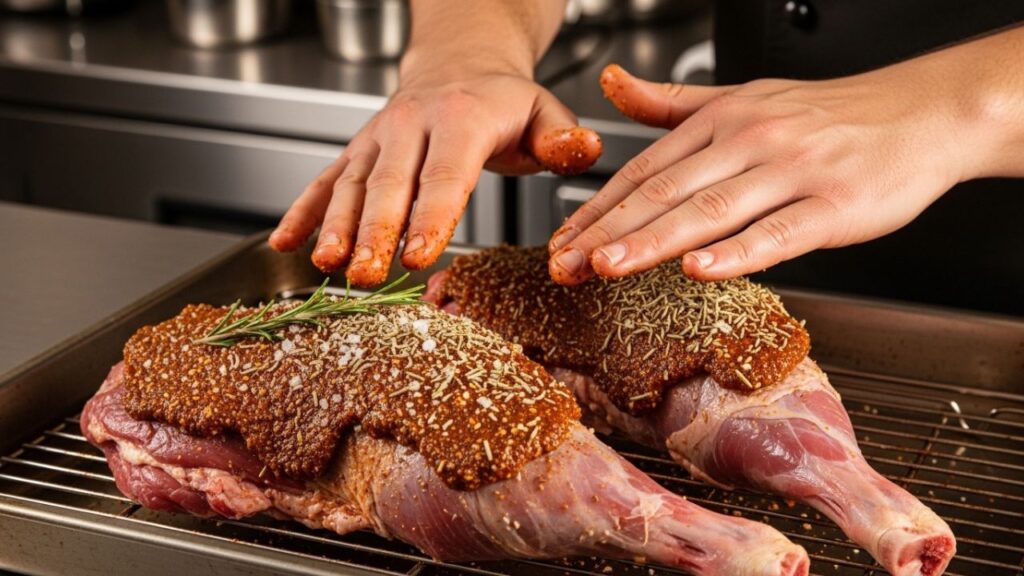
Start by patting the meat dry so it browns properly later. Use a sharp knife to make small incisions across the surface and insert bits of garlic paste into them. Rub the entire leg generously with the spice mixture, making sure it is evenly coated. If possible, let it rest uncovered in the refrigerator for a few hours or overnight so the flavors can absorb better.
2. The Initial Sear
Heat a heavy pan with a little oil and brown the meat on all sides. This step builds a rich, savory crust and adds depth to the final flavor.
3. The Braise
Preheat the oven to 300°F (150°C). Place onions, carrots, and herbs at the bottom of a roasting pan to act as a natural rack. Set the meat on top and add stock and wine around it—avoid pouring liquid directly over the surface to preserve the seasoning. Cover tightly with foil or a lid to trap steam.
4. The Finish
After about 4 hours, check tenderness. The meat should easily pull away from the bone and reach an internal temperature of around 175°F–180°F. For a better finish, uncover it for the last 20 minutes at a higher temperature to slightly crisp the outside.
Pro Tips for the Home Chef
Balance the flavor: Goat has a naturally strong taste, so adding a little lemon juice or vinegar to the cooking liquid helps brighten it.
Let it rest: After cooking, let the meat rest for at least 20 minutes before slicing so the juices redistribute properly.
Add fat if needed: If the cut is very lean, placing a few strips of bacon or extra fat on top during cooking can help keep it moist.
Serving Suggestions and Sidekicks
This dish pairs beautifully with a variety of sides depending on the mood of your meal. It works well with rice infused with citrus, roasted potatoes that soak up the juices, or even warm flatbreads.
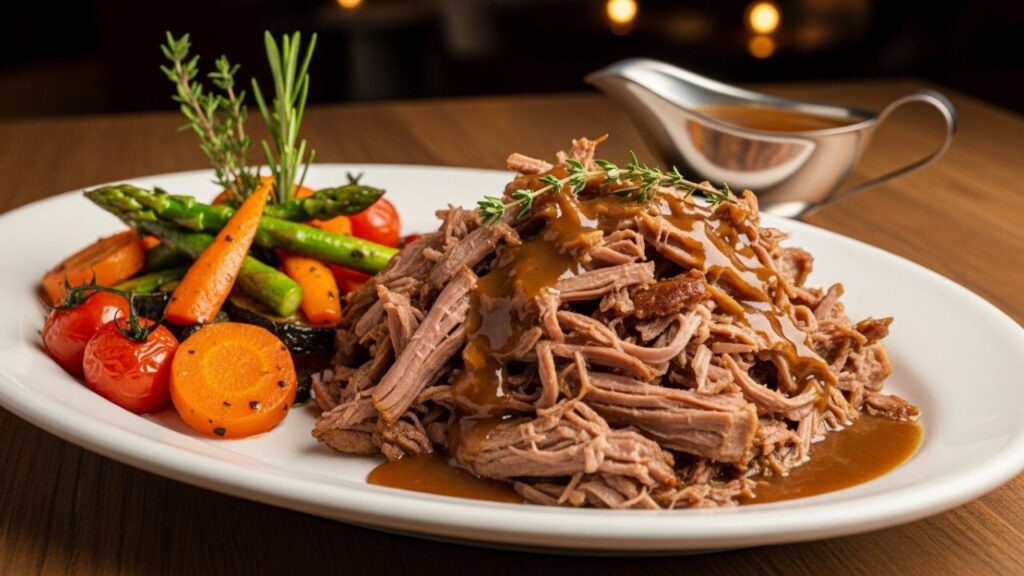
For a more modern approach, the meat can be shredded and served in tacos with pickled onions and a creamy topping. Fresh salads or tangy vegetable sides also help balance the richness of the dish.
Storage and the Beauty of Leftovers
Leftovers store very well and can even taste better the next day. You might also enjoy exploring crispy cooking techniques for meat to add a satisfying texture to your dishes.
Refrigeration: Store in an airtight container for up to 4 days.
Freezing: Freeze shredded meat for up to 3 months.
Reheating: Warm gently in a pan with a splash of broth to keep it moist. Avoid overheating to prevent toughness.
conclusion
Cooking a goat leg is ultimately a lesson in patience and technique. It’s not a quick recipe, but a slow transformation where low heat, time, and proper seasoning turn a tough cut into something tender, juicy, and deeply flavorful. Once you understand the basics of slow roasting and braising, goat leg becomes one of the most rewarding dishes you can prepare at home.
Beyond its rich taste, goat meat is also a practical and nutritious choice. It’s naturally lean, high in protein, and lower in fat than many other red meats, making it a great option for balanced eating without compromising on flavor. This is one reason slow-cooked goat leg recipes and braised goat meat dishes are becoming increasingly popular in home kitchens around the world.
Frequently Asked Questions
1. Is goat meat tougher than lamb?
Yes, it is generally leaner and requires slower cooking to become tender. When cooked properly, however, it becomes very soft and flavorful.
2. Does goat meat taste gamey?
It has a deeper, earthier flavor than beef or chicken, but proper seasoning and slow cooking mellow it nicely.
3. Can I cook a goat leg in a slow cooker?
Yes, cooking on low for 8–10 hours works very well, though you won’t get the same browned crust.
4. Where can I buy a whole goat leg?
It is commonly available at halal butchers, specialty meat shops, and some international grocery stores.
