
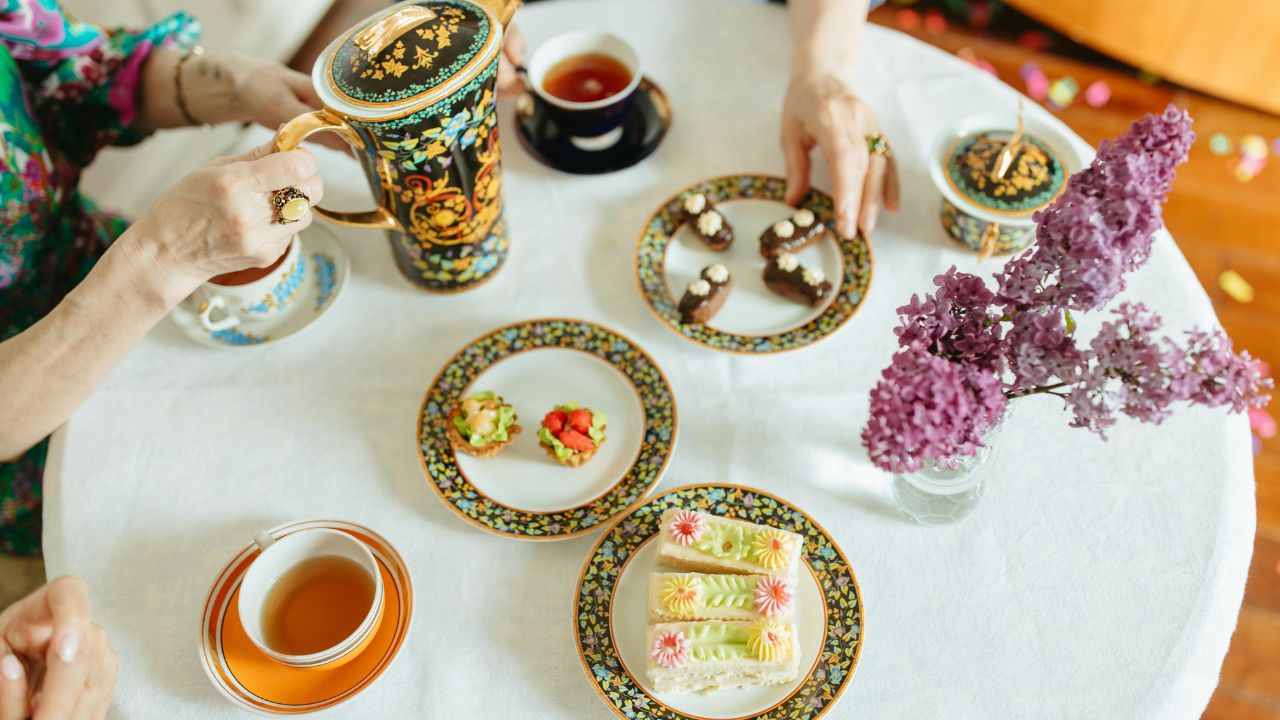
A dessert tea party has a way of slowing everything down in the best possible way. It’s not just about sweets or tea—it’s about creating a small moment of calm where everything feels intentional, delicate, and a little bit special. When I first started hosting tea-style dessert gatherings at home, I quickly realized that the magic wasn’t in complicated recipes. It was in thoughtful pairing, balanced sweetness, and textures that feel light enough to enjoy more than one bite without overwhelm.
In my experience, the best dessert tea party isn’t overly formal. It’s a mix of homemade treats, a well-brewed tea, and small details that make guests feel cared for—linen napkins, mismatched cups, and desserts that look beautiful without requiring professional pastry skills. If you’re building your own menu and want more inspiration, you can always explore more easy dessert recipes through [Insert Home Page Link Here] for ideas that fit your style. This guide will walk you through a complete dessert tea party setup, including tested recipes, ingredient science, hosting tips, and the mistakes I’ve personally made (so you don’t repeat them).
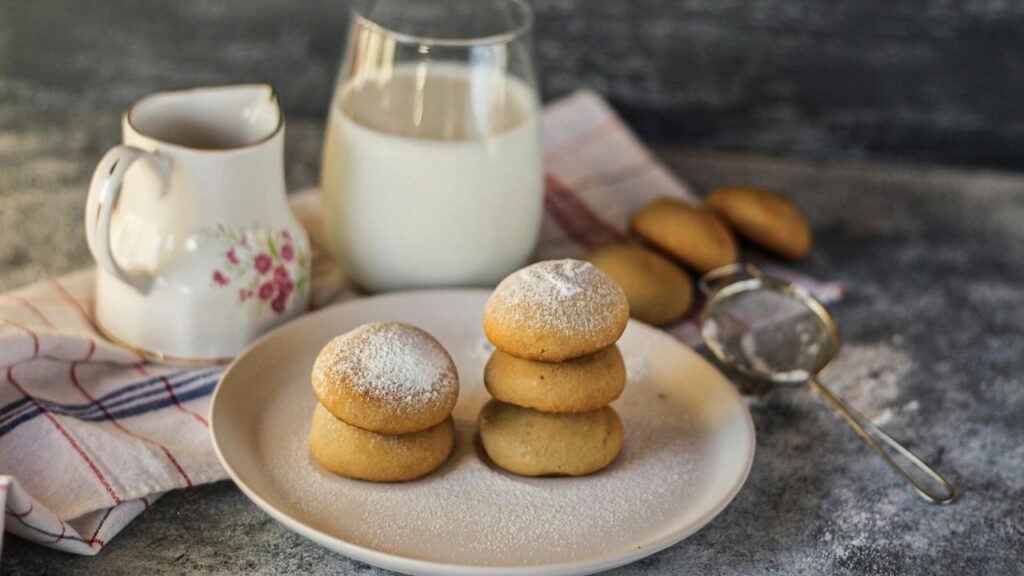
Featured Dessert Tea Party Recipe Mini Scone & Tea Spread
This is the base I always return to when hosting: tender vanilla mini scones served with berry compote, lightly sweet whipped cream, and a refreshing tea-based drink.
Ingredients
1. Mini Vanilla Scones
- 250 g (2 cups) all-purpose flour
- 50 g (¼ cup) granulated sugar
- 10 g (2 tsp) baking powder
- ¼ tsp salt
- 85 g (6 tbsp) cold unsalted butter, cubed
- 120 ml (½ cup) cold whole milk
- 1 tsp vanilla extract
- 1 egg (for brushing, optional)
Why it matters:
Flour provides structure, while cold butter creates steam pockets that make the scones flaky. Sugar lightly sweetens without overpowering tea pairings.
Substitutions:
- Milk → almond milk (slightly less rich texture)
- Butter → plant-based butter (softer crumb, less flake)
2. Quick Berry Compote
- 150 g (1 cup) mixed berries (fresh or frozen)
- 2 tbsp sugar
- 1 tsp lemon juice
- 1 tbsp water
Why it matters:
The acidity balances sweetness and pairs beautifully with black or floral teas.
3. Light Whipped Cream
- 200 ml (¾ cup + 1 tbsp) heavy cream
- 1½ tbsp powdered sugar
- ½ tsp vanilla extract
Texture note:
Soft peaks are ideal—overwhipping creates a grainy texture that doesn’t sit well with delicate scones.
4. Tea Base Drink (Tea Lemon Cooler)
- 2 black tea bags (or Earl Grey for floral notes)
- 500 ml (2 cups) hot water
- 1–2 tbsp honey (adjust to taste)
- 1 tbsp lemon juice
- Ice for serving
Step-by-Step Method
1. Preparing the Scone Dough
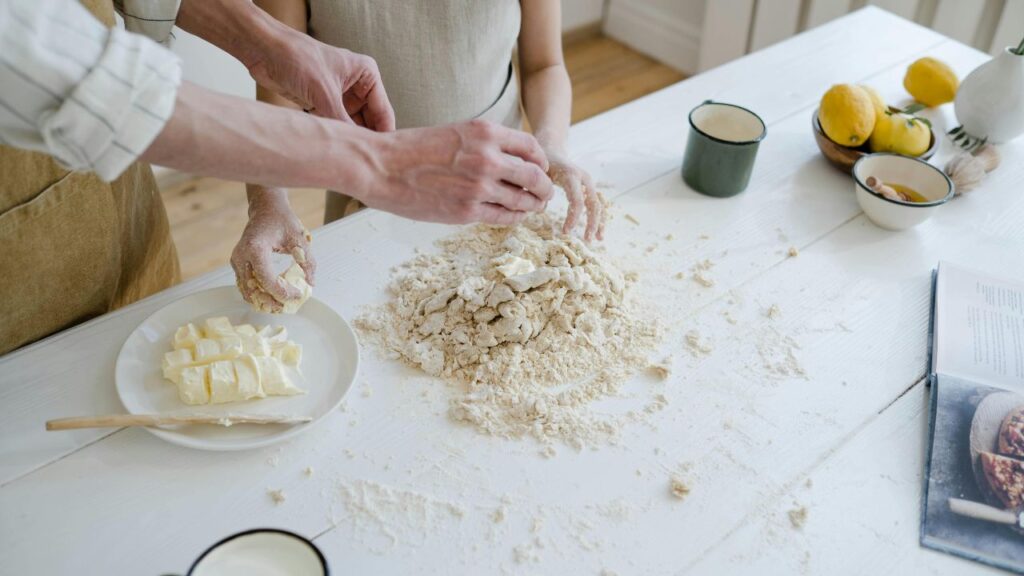
Start by mixing flour, sugar, baking powder, and salt. I’ve found that sifting these dry ingredients helps create a lighter texture, especially when working in small tea-party-sized portions.
Cut in the cold butter until the mixture looks like coarse crumbs. In my experience, the butter should still be visible in tiny pea-sized bits—this is what creates that soft, layered bite later.
Add milk and vanilla gradually. One trick I always use is to stop mixing the moment the dough comes together. Overworking will develop gluten and make the scones dense instead of tender.
2. Shaping and Resting
Roll the dough gently to about 2 cm thickness and cut into small rounds. After testing this several times, I’ve found that resting the shaped scones in the fridge for 15–20 minutes improves rise and helps maintain clean edges.
3. Baking
Bake at 190°C (375°F) for 12–15 minutes until lightly golden. The texture turns out best when the edges are just set but the center still feels soft to the touch.
If brushed with egg wash, the tops will develop a soft sheen that looks elegant on a tea table.
4. Making Berry Compote
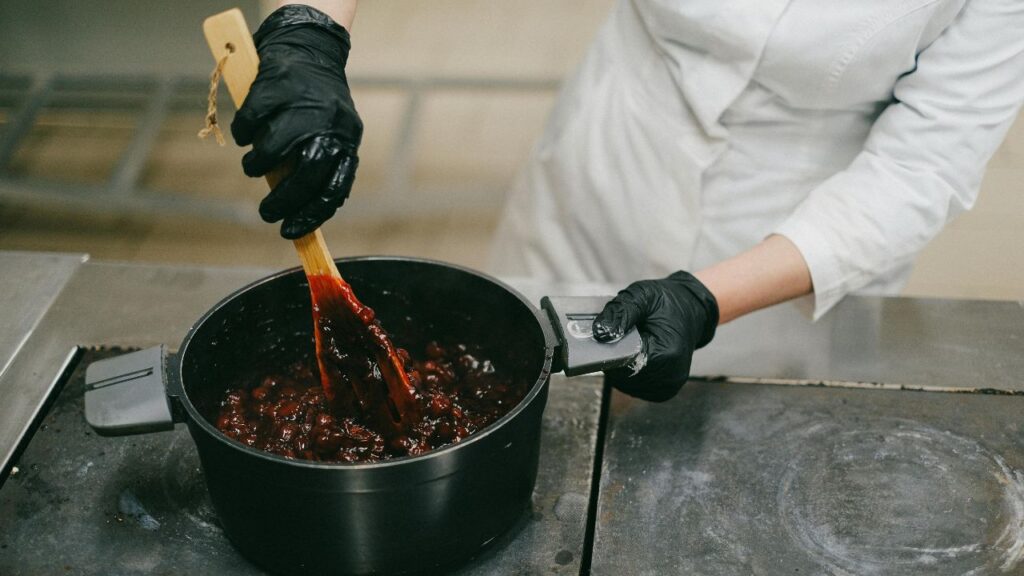
Cook berries, sugar, lemon juice, and water on low heat for 8–10 minutes. Stir occasionally until the mixture thickens slightly but still has visible fruit pieces. This balance prevents it from becoming jam-like, keeping it tea-party light.
5. Whipping the Cream
Whip cream with powdered sugar and vanilla until soft peaks form. The key is stopping early—once it holds shape but still looks silky. Overwhipping will make it heavy, which doesn’t suit delicate desserts.
6. Preparing Tea Lemon Cooler
Steep tea bags in hot water for 4–5 minutes. Remove them and stir in honey while warm so it dissolves properly. Add lemon juice and chill. Serve over ice for a refreshing contrast to sweet desserts.
Technique & Food Science Insight
One important principle in tea party desserts is fat temperature control. Cold butter in scones creates steam during baking, which forms air pockets and results in a tender crumb.
Sugar also plays a dual role—it sweetens and slows gluten development. This is why tea-party baked goods often taste soft rather than chewy.
Whipped cream is all about air incorporation (aeration). When cream is whipped, fat molecules trap air, forming a stable foam. Temperature matters here: warmer cream won’t hold structure well, while overly cold cream may whip unevenly.
Chill time is another underrated factor. Resting dough allows flour to hydrate fully, improving texture consistency after baking.
Common Mistakes (and Fixes)
1. Overworking the Dough
- Why it happens: Trying to make dough smooth
- Fix: Stop mixing as soon as it forms
- Prevention: Use a light hand and cold ingredients
2. Warm Butter in Scones
- Why it happens: Butter melts before baking
- Fix: Chill dough before baking
- Prevention: Keep ingredients cold from start
3. Overwhipped Cream
- Why it happens: Not watching texture closely
- Fix: Add a splash of cream and gently fold
- Prevention: Stop at soft peaks
4. Watery Compote
- Why it happens: Too much liquid or low cooking time
- Fix: Simmer longer to reduce
- Prevention: Measure liquid carefully
5. Bitter Tea Flavor
- Why it happens: Oversteeping tea
- Fix: Dilute with water or ice
- Prevention: Stick to 4–5 minute steep time
Storage & Make-Ahead Tips
- Room temperature: Scones stay fresh for 1 day in an airtight container
- Refrigeration: Store whipped cream up to 24 hours, but texture softens over time
- Freezing: Unbaked scones freeze well for up to 1 month
- Compote: Refrigerate for 3–4 days; flavor deepens over time
- Tea drink: Best consumed within 24 hours for freshness
Serving Suggestions & Variations
- Add lavender or rose to the scones for a floral twist
- Swap berries for citrus curd in winter
- Serve with finger sandwiches for a fuller tea menu
- Use green tea instead of black tea for a lighter pairing
- Add chocolate chips or orange zest for seasonal variation
Conclusion
A dessert tea party is less about perfection and more about balance—soft textures, gentle sweetness, and flavors that don’t overpower the experience of sipping tea. When you focus on ingredient temperature, careful mixing, and thoughtful pairing, even simple recipes turn into something memorable.
From flaky mini scones to bright berry compote and refreshing tea drinks, everything works together to create a relaxed but elegant atmosphere. The best part is that none of it requires advanced pastry skills—just attention, patience, and a willingness to keep things light. Once you understand how texture, temperature, and timing work together, hosting becomes far easier and far more enjoyable. A dessert tea party isn’t just food on a table—it’s a small ritual that invites people to slow down and enjoy the moment.
FAQ’s
1. What desserts are best for a tea party?
Mini scones, fruit tarts, cookies, and light cakes work best because they pair well with tea without being too heavy.
2. Can I make tea party desserts ahead of time?
Yes, most baked goods can be prepared a day in advance, while whipped cream is best made fresh.
3. What tea goes best with sweet desserts?
Black tea, Earl Grey, and mild herbal blends pair well with sweet desserts due to their balanced flavor profiles.
4. How do I keep scones soft after baking?
Store them in an airtight container and avoid refrigerating, which can dry them out.
5. Can I make a tea party without dairy?
Yes, plant-based milk and coconut cream alternatives work well with slight texture differences.
