
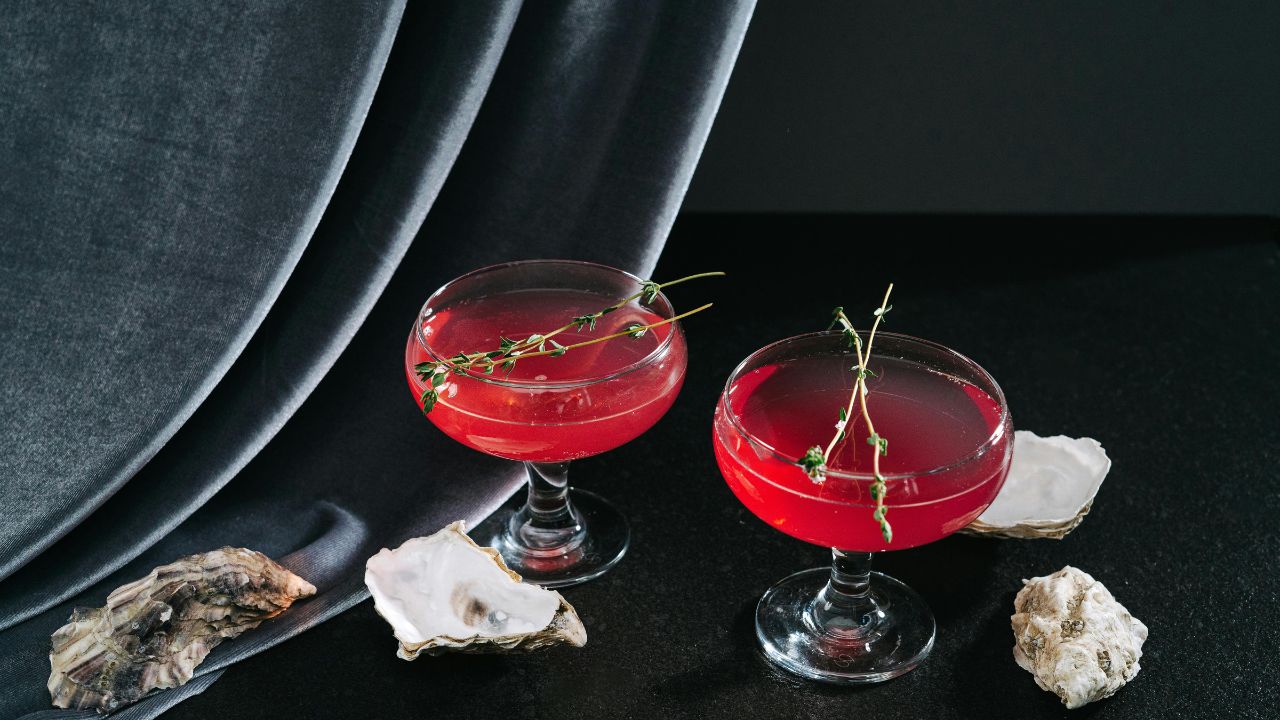
There is a playful nostalgia that comes with candy-inspired cocktails. They often get labeled as overly sweet or simplistic, but when carefully balanced, they can feel as refined as a dessert from a high-end patisserie. The Bols candy drink recipe sits in that category—built on fruit liqueurs that bring both color and depth, creating a drink that feels like a liquid confectionery experience.
In practice, the biggest challenge with candy-style cocktails is controlling sweetness withoIn practice, the biggest challenge with candy-style cocktails is controlling sweetness without losing character, and many mixologists find that enhancing cocktails with fresh ingredients can make a dramatic difference. The goal is to capture the fun, bright essence of a candy shop while still keeping the drink refreshing enough to enjoy beyond the first few sips. After several rounds of testing, I’ve found that the balance comes from pairing sweet liqueurs with fresh citrus and proper dilution through ice. This isn’t just a novelty drink—it’s a carefully structured cocktail that depends on harmony between sweetness, acidity, and texture.

The Confectioner’s Cabinet
To recreate the signature candy profile, this recipe relies on fruit-forward liqueurs with strong aroma and balanced acidity, similar to the way fruit-forward flavor combinations elevate other sweet creations.
This recipe yields one standard cocktail (approx. 180ml).
1. Bols Strawberry Liqueur (45ml / 1.5 oz)
- Why it matters: This forms the fruity core of the drink, delivering a sweet strawberry flavor with a jam-like richness.
- Texture Impact: Liqueurs naturally have more body than base spirits like vodka, which helps create a smooth, slightly syrupy mouthfeel.
2. Bols Blue Curaçao (15ml / 0.5 oz)
- Why it matters: Beyond its vivid color, Blue Curaçao adds a subtle bitter orange note that prevents the drink from becoming overly sweet.
- Smart Substitution: For a different profile, you can swap strawberry for melon or green apple-style liqueurs while keeping the Curaçao for contrast and color.
3. Fresh Lime Juice (22ml / 0.75 oz)
- Measurement: Approximately 22 grams.
- Why it matters: Fresh lime juice provides brightness and structure, balancing the sweetness of the liqueurs. Bottled juice is not recommended, as it lacks freshness and complexity.
4. Pineapple Juice (30ml / 1 oz)
- Why it matters: Pineapple juice adds tropical sweetness and a soft texture. When shaken, it helps create a light froth due to its natural fruit proteins and aeration—not enzymes alone.
5. Sour Sugar Rim
- Components: 50g (1/4 cup) granulated sugar mixed with 5g (1 tsp) citric acid powder.
- Why it matters: This rim replicates the tangy-sweet sensation of sour candy and enhances the first sip with a sharp, flavorful contrast.
Building the Bols Masterpiece
Preparing the Candy Rim
Rim the glass before mixing the drink for best results.
Action: Rub a lime wedge around a chilled coupe glass, then dip it into the sour sugar mixture.
Visual Cue: The rim should look evenly coated, like a light frost of sugar crystals.
The Mixing Order
Order matters for balance and texture.
Add the juices first, followed by the liqueurs. This helps everything integrate smoothly during shaking and prevents uneven layering of sweetness.

The Thermal Shock (The Shake)
Fill a cocktail shaker with large ice cubes and shake firmly for about 12–15 seconds.
Using large ice slows dilution and helps maintain flavor intensity. You’ll know it’s ready when the shaker becomes noticeably cold and lightly frosted on the outside.
The Aeration Strain
Strain the mixture through a fine mesh strainer into your prepared glass.
Double straining removes ice shards and pulp, resulting in a smoother texture and a light foam created through agitation during shaking.
The Garnish
A playful garnish enhances the candy theme.
Gummy bears, citrus twists, or sour ribbons work well. The aroma and visual cue reinforce the candy-inspired character before the first sip.
The Science of Foam Structure
The light foam in this cocktail comes mainly from aeration during shaking combined with the natural proteins present in fruit juices like pineapple. When shaken vigorously with ice, air is trapped in the liquid and stabilized by these compounds.
Temperature also plays an important role. Cold temperatures help maintain bubble structure longer, giving the drink a smooth, velvety top. The result is a soft foam that enhances mouthfeel without requiring egg whites or dairy.
Common Mistakes to Avoid
- Over-Dilution
- Using small or partially melted ice leads to excessive dilution.
- Fix: Always use solid, large ice cubes for a controlled shake.
- Skipping the Acid
- Without lime juice, the drink becomes overly sweet and flat.
- Fix: Maintain measured acidity to keep the cocktail refreshing.
- Using Granulated Sugar Alone for the Rim
- A plain sugar rim lacks contrast.
- Fix: Citric acid is essential to recreate the sour candy effect.
- Using Room Temperature Glassware
- Why it happens: Not planning ahead.
- Warm glasses cause rapid melting and foam collapse.
- Fix: Chill glasses in the freezer for at least 20–30 minutes.
- Pouring Too Slowly
- A hesitant pour can separate foam from liquid.
- Fix: Strain confidently in one steady motion.
Storage and Make-Ahead Section
You can prepare parts of this cocktail in advance for convenience. The base mixture (liqueurs and pineapple juice) can be pre-batched and stored in the refrigerator for up to 24 hours. However, lime juice should always be added fresh to preserve brightness.
The sour sugar rim mixture can be stored in an airtight container for several weeks if kept dry. Avoid freezing the full mixture, as alcohol and sugar content will affect texture and prevent proper freezing.

Serving Suggestions & Variations
- Electric Melon Variation: Replace strawberry liqueur with melon liqueur for a bright green, candy-like twist with a lighter fruit profile.
- Candy Sparkler: Top the finished drink with a splash of dry sparkling wine for a crisp, bubbly contrast that cuts through sweetness.
- Cotton Candy Style: Add a small tuft of cotton candy just before serving. It slowly dissolves into the drink, subtly changing sweetness and presentation.
- Frozen Confection: Blend all ingredients with ice for a slushy-style version. A small amount of simple syrup can help maintain texture consistency.
Conclusion
The Bols candy drink recipe is a fun but carefully balanced cocktail that blends sweetness, acidity, and texture into a dessert-like experience. When made correctly, it avoids being overly sugary and instead becomes bright, refreshing, and visually striking.
The key takeaway is balance—fruit liqueurs provide flavor, citrus provides structure, and proper technique ensures texture, making it easy to explore holiday cocktail variations using similar principles. With the right approach, this drink becomes more than a novelty; it becomes a polished, enjoyable cocktail experience.
FAQs
1. Is the Bols candy drink too sweet for someone who likes dry cocktails?
It can be sweet, but the lime juice and citric acid rim provide balance. You can reduce sweetness by increasing lime juice slightly or lowering the strawberry liqueur.
2. Where can I buy citric acid for the sour sugar rim?
Citric acid is commonly available in baking sections or specialty baking stores. It is often labeled as sour salt.
3. Can I make this drink without a cocktail shaker?
Yes, but results may vary. A tightly sealed jar can work in place of a shaker, though the foam and texture may be less refined.
4. Why is my drink purple instead of blue or red?
The combination of red strawberry liqueur and blue curaçao naturally creates a purple hue, which is one of the signature visual effects of this cocktail.
5. Does the Bols candy drink recipe contain actual candy?
No actual candy is required for the recipe itself. However, candy garnishes can enhance presentation and reinforce the theme.

Henry James is the writer behind Fooodies.site, where he shares easy recipes, practical cooking guides, and simple kitchen tips for everyday home cooks. He enjoys experimenting with flavors and turning everyday ingredients into delicious, homemade meals. His goal is to make cooking feel simple, enjoyable, and achievable for everyone. He focuses on creating clear, well-tested content that readers can trust and follow with confidence.