
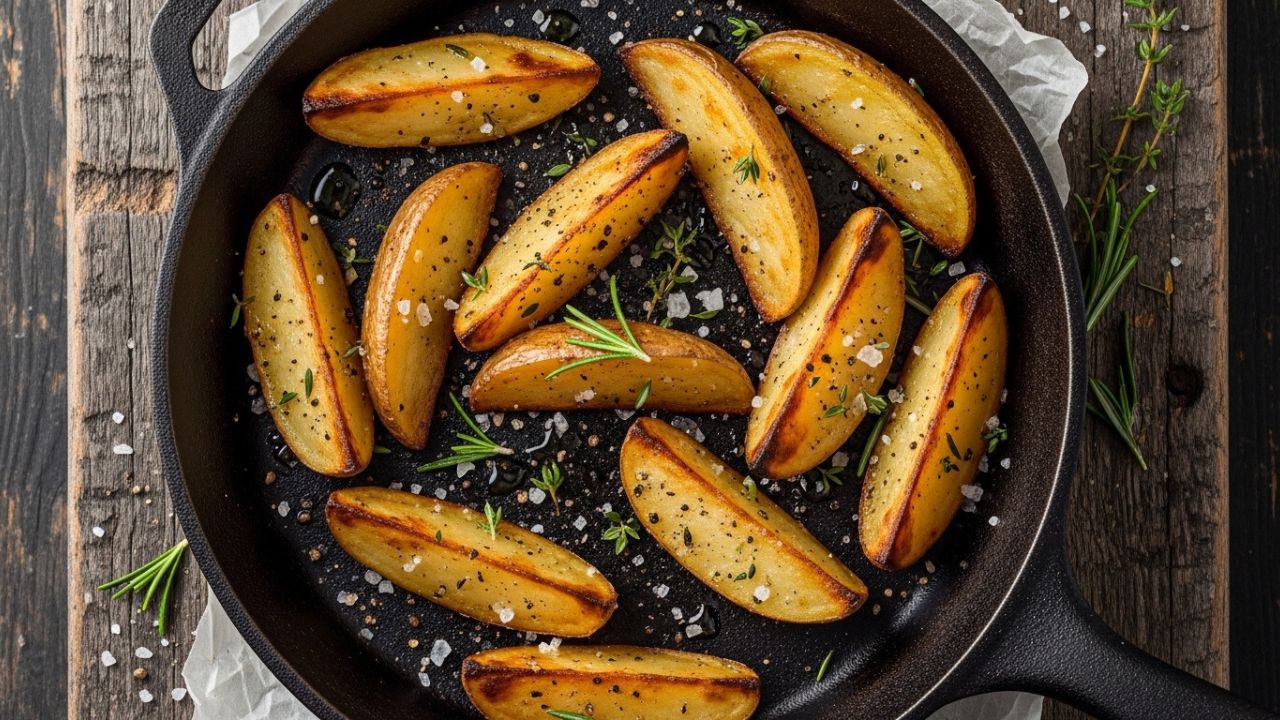
Most people reach for red or Yukon Gold potatoes for roasting because they hold their shape well. However, I’ve found that russets are actually superior if you want a “meaty” potato experience. Because they are high in starch and low in moisture, they act like a sponge for aromatics. Liquid smoke russet potatoes is a polarizing ingredient, often because people use too much of it. For inspiration on how top chefs are revolutionizing the culinary landscape, check out this guide to ‘How 3 Chefs Revolutionize the Culinary Landscape. It’s actually a natural product made by condensing the smoke from burning wood chips into water. When paired with the earthy, neutral base of a russet potato, it mimics the flavor profile of a baked potato cooked directly in the embers of a fire.
One trick I always use to ensure the smoke doesn’t become overpowering is to dilute it within the fat source—whether that’s olive oil, melted butter, or even duck fat. This ensures every nook and cranny of the potato gets a whisper of smoke rather than one unlucky wedge tasting like an ash tray.

The Preparation: It’s All About the Surface Area
Before we even think about the oven, we have to talk about the cut. For liquid smoke russet potatoes, I prefer thick-cut wedges or large 2-inch cubes.
In my experience, the larger the surface area, the more opportunity there is for the Maillard reaction to take place. This is the chemical reaction between amino acids and reducing sugars that gives browned food its distinctive flavor. When you combine the Maillard reaction with the phenols in liquid smoke, you create a complex, savory profile that tastes incredibly ‘expensive.’ To learn more about elevating simple ingredients into gourmet dishes, check out these ‘5 Secrets to Master Homemade Gourmet Salad Recipes.
The “Rough Up” Method
After peeling (or leaving the skins on for extra fiber—my personal preference), I parboil the potatoes in heavily salted water for about 7 to 8 minutes. You want the edges to be soft but the centers to remain firm.
Once drained, give the pot a vigorous shake. This creates a starchy “mash” on the surface of the cubes. When this mash hits the hot oil and the liquid smoke mixture in the oven, it dehydrates into a shatteringly crisp crust.
Crafting the Smoky Infusion
While the potatoes are parboiling, I prepare the coating. This is where the magic happens.
A mixture I’ve perfected over the years includes:
- 4 tablespoons of high-smoke-point oil (like avocado or grapeseed)
- 1/2 teaspoon of high-quality liquid smoke (hickory or mesquite)
- 1 teaspoon of smoked paprika (to reinforce the color and depth)
- 1/2 teaspoon of garlic powder
- A generous pinch of flaky sea salt
The reason we add the liquid smoke to the oil first is that it helps the flavor distribute evenly. Liquid smoke is water-based, and potatoes are porous. If you drop it directly onto the potatoes, it soaks in too fast in one spot. By emulsifying it slightly with the oil, you create a protective, flavorful coating.
The Roasting Process
To get that true “pit-roasted” vibe, heat matters. I roast these at 425°F (220°C).
Place your baking sheet in the oven while it preheats. When you dump the seasoned potatoes onto a screaming-hot pan, you get an immediate sear. This prevents the potatoes from sticking and starts the crisping process instantly. Spread them out so they aren’t touching; if you crowd the pan, the potatoes will steam instead of roast, and you’ll lose that textural contrast.
Halfway through the roasting time (usually around the 20-minute mark), I give them a flip. This is when the aroma of the liquid smoke really begins to fill the kitchen. It shouldn’t smell chemical; it should smell like a cozy autumn evening.
Common Pitfalls to Avoid
Even a simple recipe can go sideways. Here are a few things I’ve learned the hard way:
- Using Too Much Liquid Smoke: Start small. You can always add a drop more next time, but you can’t take it out once it’s soaked into the starch.
- Skipping the Parboil: If you roast russets from raw, the outside often burns before the inside reaches that creamy, mashed-potato consistency.
- Low Temperature: Roasting at 350°F will just give you soft, oily potatoes. You need the high heat to “fry” the exterior.
Storage and Reheating
If you happen to have leftovers, these potatoes make an incredible base for a breakfast hash the next morning.
- Fridge: Store in an airtight container for up to 4 days.
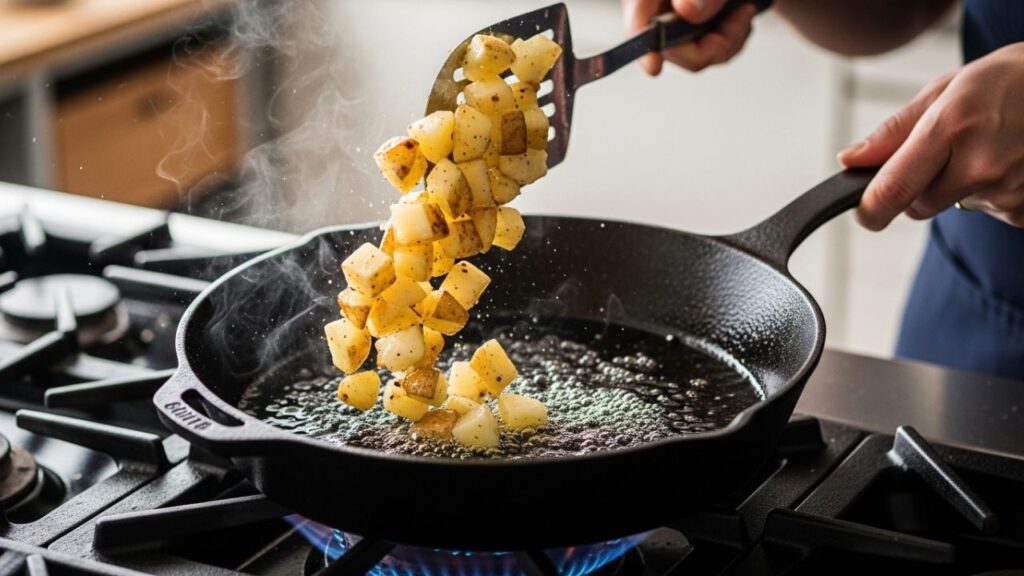
- Reheating: Avoid the microwave; it will make them rubbery. Instead, toss them back into a hot skillet with a tiny bit of butter or an air fryer at 370°F for 5 minutes. They will regain almost all of their original crunch, similar to achieving that perfect crisp with frying techniques. For more on this, check out the ‘Master the Frying Saucer Recipe: The Ultimate Crispy Guide.
Frequently Asked Questions
1. Which type of liquid smoke is best for potatoes?
I recommend Hickory for a classic, bacon-like richness. Mesquite is much stronger and “earthier,” which can sometimes overwhelm the potato if you aren’t careful.
2. Can I make these in an air fryer?
Yes! Follow the same seasoning steps and air fry at 400°F for 15–20 minutes, shaking the basket every 5 minutes.
3. Do I have to peel the russets?
Not at all. The skins of russet potatoes contain a lot of flavor and nutrients. Just make sure to scrub them well to remove any grit.
4. Is liquid smoke safe to eat?
Yes, liquid smoke is a concentrated form of wood smoke that has been filtered to remove most of the carcinogens found in actual wood ash and tar.
5. What should I serve these with?
These are the ultimate partner for grilled steaks, roasted chicken, or even as a hearty base for a vegetarian “power bowl” with black beans and avocado.
Final Thoughts
Making liquid smoke russet potatoes is a masterclass in how a single, inexpensive ingredient can elevate a pantry staple. It’s about more than just “smoke flavor”—it’s about creating a sensory experience that feels rustic and sophisticated all at once. Next time you’re tired of the same old roasted spuds, reach for that little bottle in the back of your cabinet. Your taste buds will thank you.

Henry James is the writer behind Fooodies.site, where he shares easy recipes, practical cooking guides, and simple kitchen tips for everyday home cooks. He enjoys experimenting with flavors and turning everyday ingredients into delicious, homemade meals. His goal is to make cooking feel simple, enjoyable, and achievable for everyone. He focuses on creating clear, well-tested content that readers can trust and follow with confidence.