
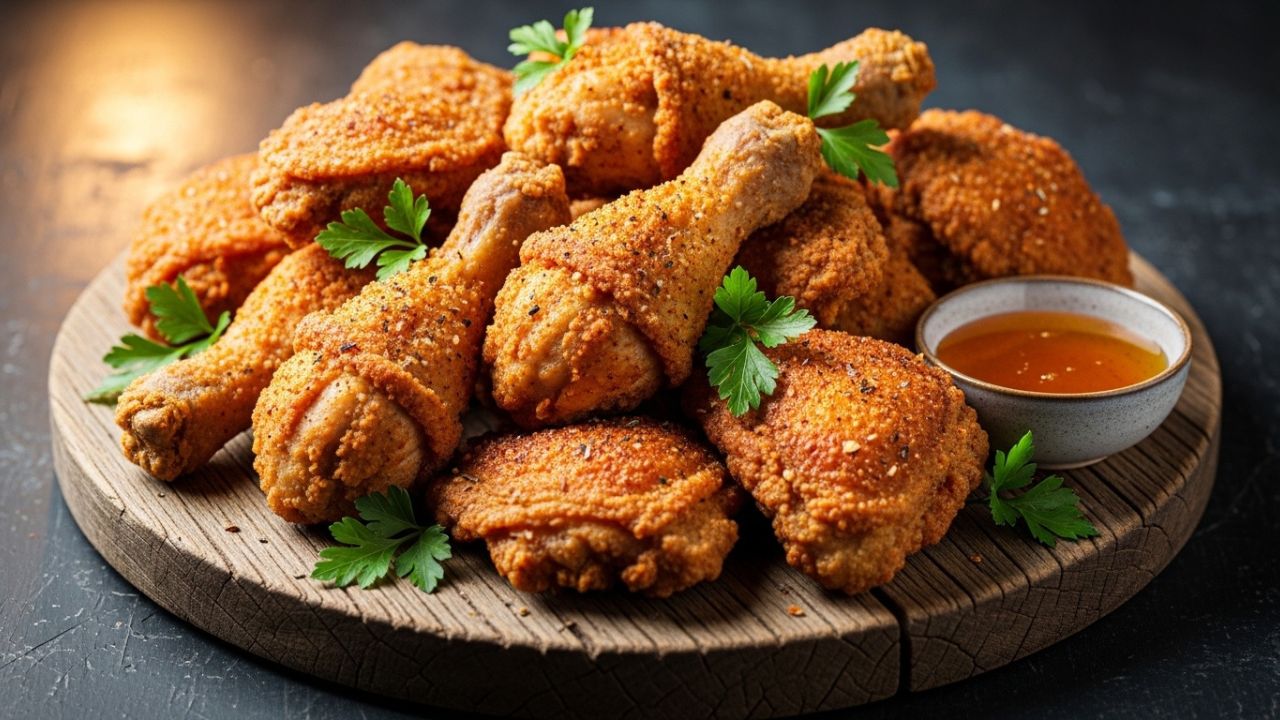
There is something undeniably evocative about the sound of chicken hitting hot oil. It’s a rhythmic sizzle that promises comfort, tradition, and a meal that feels like a warm hug. For generations, a truly great Southern Fried Chicken Recipe has been the centerpiece of Sunday dinners, church potlucks, and summer picnics. It’s a dish that transcends simple sustenance; it is a culinary art form passed down through whispered kitchen secrets and grease-stained index cards.
If you’ve ever bitten into a piece of chicken only to find the skin soggy or the meat bland, you know the heartbreak of a poorly executed fry. The goal is a delicate balance: a rugged, craggy exterior that shatters upon impact, giving way to meat so succulent it practically melts. Achieving this isn’t about luck; it’s about understanding the science of the brine, the temperature of the fat, and the patience of the cook. In this guide, we’re stripping away the commercial gimmicks to focus on the soulful techniques that make Southern cooking legendary. Whether you are a seasoned pro or a first-timer standing over a Dutch oven, this journey into the heart of the deep fryer will change your kitchen game forever. For a perfect accompaniment, try pairing your crispy Southern fried chicken with a homemade gourmet salad.

The Components of a Masterpiece: Ingredients
Before you heat the oil, you need to assemble high-quality components. This isn’t the time for fancy, flavored oils or exotic spices. Stick to the classics.
The Bird and the Brine
- Whole Chicken (3-4 lbs): Break it down into 8 or 10 pieces. Using a variety of cuts ensures everyone gets their favorite part.
- Buttermilk (1 quart): The lactic acid acts as a gentle tenderizer without making the meat mushy.
- Hot Sauce (2 tbsp): It won’t make the chicken spicy, but it adds a subtle vinegar tang and depth.
- Fine Sea Salt: Crucial for drawing moisture back into the meat during the soak.
The Seasoned Dredge
- All-Purpose Flour (3 cups): Provides the structural integrity for the crust.
- Cornstarch (1/2 cup): The secret for extra crispiness; it prevents gluten development.
- Smoked Paprika (2 tbsp): For that rich, sunset-orange hue.
- Garlic and Onion Powder (1 tbsp each): The aromatic backbone.
- Cayenne Pepper (1 tsp): Just enough to provide a back-of-the-throat warmth.
- Black Pepper: Freshly cracked is always best.
The Frying Medium
- Peanut Oil or Lard: These have high smoke points. Peanut oil is favored for its clean finish and ability to withstand the Standard Frying Temperatures required for safety and texture.
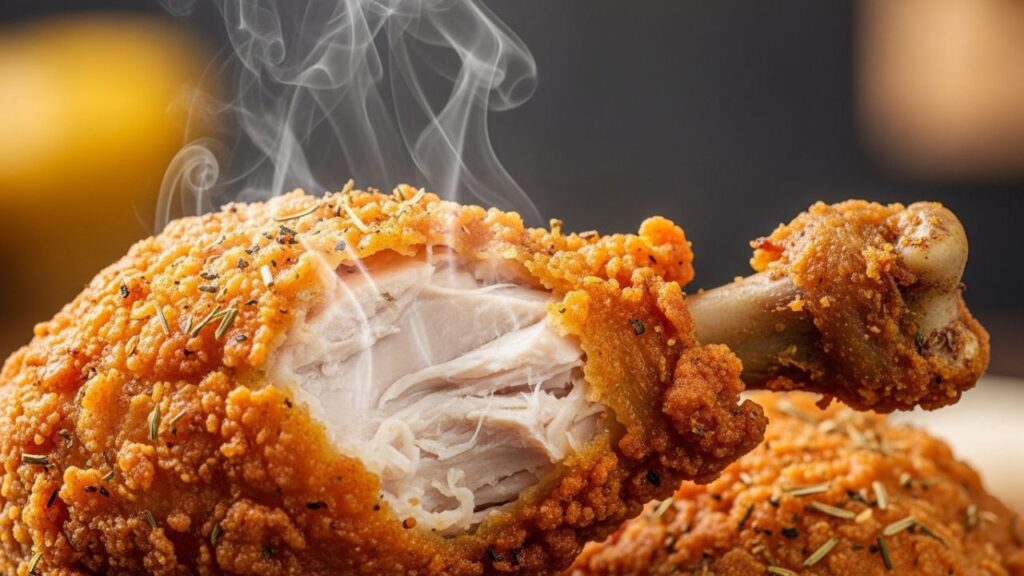
The Step-by-Step Road to Golden Perfection
1. The Overnight Commitment
Don’t rush the brine. Submerge your chicken pieces in a mixture of buttermilk, salt, and hot sauce. Cover it and let it rest in the fridge for at least 4 hours, though 12 to 24 hours is the sweet spot. This step ensures the seasoning penetrates all the way to the bone.
2. Crafting the Crust
In a large brown paper bag or a wide shallow bowl, whisk together your flour, cornstarch, and spices. Here is a pro tip: drizzle 2-3 tablespoons of the buttermilk brine into the flour mixture and rub it in with your fingers. This creates small clumps of flour that attach to the chicken, resulting in those sought-after extra-crunchy bits.
3. The Double-Dredge Method
Remove a piece of chicken from the brine, letting the excess drip off. Bury it in the flour, press down firmly to ensure total coverage, and shake off the excess. For an ultra-thick crust, some cooks dip it back into the buttermilk and back into the flour, though a single, well-pressed coat is often more elegant.
4. The Resting Phase
Place the coated chicken on a wire rack for 15–20 minutes before frying. This allows the flour to hydrate and turn into a paste that sticks to the skin. If you skip this, your breading is likely to fall off in the pan.
5. The Heat Management
Fill a heavy-bottomed skillet or Dutch oven halfway with oil. Heat it to exactly 350°F. If you don’t have a thermometer, dip the end of a wooden spoon in; if it bubbles steadily, you’re ready. Fry the chicken in batches—usually the dark meat (legs and thighs) first as they take longer, followed by the white meat.
6. The Drain and Salt
Once the chicken reaches an internal temperature of 165°F and the crust is a deep mahogany, remove it. Place it on a wire rack over a baking sheet (never on paper towels, which trap steam and cause sogginess). Sprinkle immediately with a tiny pinch of salt while the oil is still wet on the surface.
Pro-Tips for the Best Southern Fried Chicken Recipe
- Mind the Crowding: Adding too many pieces at once drops the oil temperature. If the oil gets too cool, the chicken will absorb the fat instead of searing, leading to a greasy meal.
- Cast Iron is King: A heavy cast-iron skillet retains heat better than stainless steel, providing a more consistent fry.
- Dark Meat vs. White Meat: Remember that breasts cook faster than thighs. If you’re looking for more tips on chicken preparation, consider learning how to debone your own poultry to save money.
Storage and Reheating Without the Sog
If you find yourself with leftovers—a rare occurrence!—store them in a ventilated container in the fridge for up to 3 days. To reheat, avoid the microwave at all costs. It will turn your beautiful crust into a rubbery mess. Instead, place the chicken on a wire rack in a 375°F oven for about 10–12 minutes. This recirculates the heat and re-crisps the skin.

What to Serve
No Southern Fried Chicken Recipe is complete without the proper entourage.
- Creamy Mashed Potatoes: Ideally with a velvety chicken gravy.
- Collard Greens: Simmered with a bit of smoked turkey or bacon.
- Cornbread: Sweet or savory, used to mop up any leftover juices.
- Honey Drizzle: A modern Southern trend is to drizzle the hot chicken with hot honey for a sweet-heat contrast.
Conclusion
There is a reason the Southern Fried Chicken Recipe remains a global icon. It is the ultimate labor of love. It requires you to slow down, mind the stove, and focus on the details. But when you set that platter of golden, steaming chicken in the center of the table and hear the first crunch from your guests, you’ll know every minute of effort was worth it. Food is about connection, and there is no better way to connect than through a shared plate of the best fried chicken they’ve ever tasted. If you’re looking to explore another beloved Southern dish, try your hand at making a pork chop supreme that will impress at any table. Now, go get that oil shimmering—you’ve got a masterpiece to create!
FAQ’s
1. Can I fry chicken in olive oil?
It’s not recommended. Olive oil has a low smoke point and will burn before the chicken is cooked through, leaving a bitter taste. Stick to peanut, vegetable, or canola oil.
2. Why does my breading fall off?
This usually happens because the chicken was too wet when it hit the flour, or you didn’t let the coated chicken rest before frying. That 20-minute rest is vital for the flour to bond with the skin.
3. How do I know the chicken is done without a thermometer?
The bubbles around the chicken will slow down, and the chicken will start to feel lighter when lifted with tongs. However, for safety, a digital thermometer is the only way to be 100% sure.
4. Can I use an Air Fryer?
You can, but it won’t be traditional Southern fried chicken. If using an air fryer, you must spray the flour coating heavily with oil to ensure it doesn’t stay dusty.

Henry James is the writer behind Fooodies.site, where he shares easy recipes, practical cooking guides, and simple kitchen tips for everyday home cooks. He enjoys experimenting with flavors and turning everyday ingredients into delicious, homemade meals. His goal is to make cooking feel simple, enjoyable, and achievable for everyone. He focuses on creating clear, well-tested content that readers can trust and follow with confidence.