
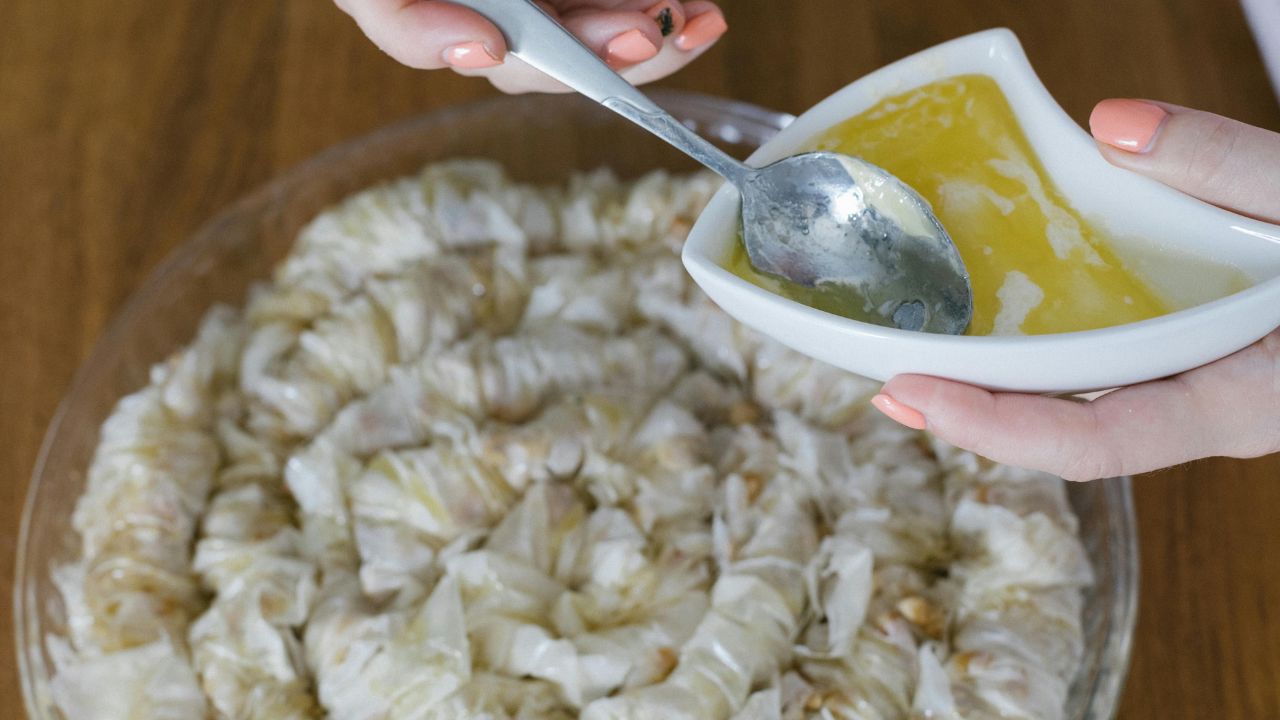
There is a deceptive simplicity to a bowl of potatoes. On the surface, it is a humble root vegetable, boiled and smashed. Yet, anyone who has ever sat down to a holiday dinner only to be served a scoop of gray, gluey spuds knows that the path to perfection is fraught with peril. Creamy country mashed potatoes represent the pinnacle of comfort food—a dish that should be cloud-like, rich with the essence of butter and cream, and possess just enough rustic texture to remind you of home.
As someone who has spent years perfecting the ratio of starch to fat, I can tell you that great potatoes are made in the details. It isn’t just about how much butter you throw in at the end; it’s about the temperature of the water when you start and the way you handle the starch cells throughout the process. Before you even peel your first tuber, you might want to consider how to select the freshest produce at the market and understand how to properly store food for maximum freshness to ensure you are starting with high-quality, firm potatoes that haven’t spent too much time in a damp cellar. When you treat the potato with the respect it deserves, it transforms from a basic side dish into the star of the plate.
The Soul of the Country Mash
When we talk about country-style mashed potatoes, we are moving away from the ultra-sieved, almost liquid pomme purée found in French fine dining. Instead, we are looking for a dish that celebrates the potato itself. This style often embraces a slightly coarser texture—sometimes even leaving a bit of the skin on for color and earthy flavor.
Unlike a standard mash, which might just use milk and margarine, creamy country mashed potatoes rely on a high-fat dairy profile. We’re talking heavy cream, real unsalted butter, and perhaps a dollop of sour cream or cream cheese to provide a subtle tang. It is a dish designed to stand up to heavy gravies and roasted meats, providing a lush, velvet-like base that carries flavor across the palate. Understanding this distinction is vital because it dictates your choice of tools and technique.
Why Starch Science Dictates Your Success
To make a potato creamy, you have to understand its cellular structure. Potatoes are packed with starch granules. When you boil them, these granules swell. If you handle them gently, they stay intact, giving you a fluffy result. However, if you work the potatoes too hard—using a high-speed blender or over-mashing—those granules burst, releasing their starch into the surrounding liquid.
According to culinary science resources like Wikipedia’s entry on the Potato, the ratio of amylose to amylopectin determines whether a potato is waxy or floury. For the ultimate mash, you generally want a floury or starchy potato like a Russet, or an all-purpose gem like the Yukon Gold. Russets fall apart beautifully, while Yukon Golds provide a natural buttery color and a slightly creamier mouthfeel. Combining the two is often the secret handshake among professional chefs to get the best of both worlds.
A Methodical Approach to the Mash
Getting from raw root to creamy masterpiece requires a few non-negotiable steps. If you skip the prep, you’ll be fighting the texture for the rest of the night.
- The Cold Start: Never drop potatoes into boiling water. They will cook unevenly, with the outside turning to mush before the inside is soft. Always start with cold, heavily salted water. As the water rises in temperature, the potatoes cook uniformly from edge to center.
- The Dry-Out: This is the most skipped step in home kitchens. Once the potatoes are drained, put them back in the hot, empty pot for 60 seconds. The residual heat will evaporate the excess surface moisture. If you skip this, your potatoes will be watery rather than creamy.
- The Dairy Warm-Up: Never, under any circumstances, add cold milk or butter to hot potatoes. Cold dairy shocks the starches and causes the temperature of the dish to plummet. Heat your cream and melt your butter together in a small saucepan before introducing them to the mash.
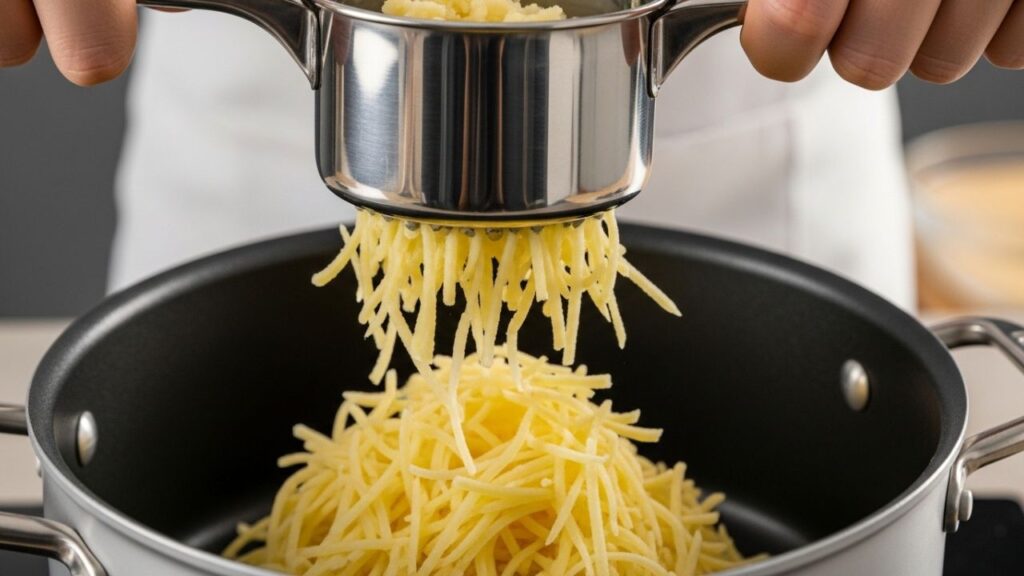
- The Gentle Fold: Use a potato ricer or a food mill if you want a lump-free finish, or a sturdy hand masher for a more rustic country feel. Incorporate the warm dairy slowly, folding it in until the potato has absorbed every drop.
While you are focusing on the main event, remember that a great meal is about the full spread, including gourmet side dishes to elevate your meals. You might want to look into traditional Southern sides that pair with seafood or roasted meats, as mashed potatoes are the universal diplomat that brings different flavors together on the plate.

Practical Wisdom for a Better Bowl
- Salt the Water, Not Just the Mash: If you don’t salt the boiling water, the potato stays bland on the inside. Salt at the beginning seasons the starch granules as they expand.
- The Butter-First Rule: Some experts suggest mixing the butter in before the milk. Fat coats the starch molecules, which can help prevent them from becoming gluey when the liquid is added later.
- Acid Balance: If your potatoes feel too heavy, a tiny teaspoon of lemon juice or a splash of buttermilk can cut through the fat and brighten the overall flavor profile without making the dish taste sour.
If you find yourself making a massive batch for a holiday, knowing how to prep breakfast dishes in advance can be a lifesaver, especially if you plan on turning those leftover mashed potatoes into savory potato pancakes or farls the next morning.
Navigating the Gooey Trap
The most common mistake is the Sticky Potato. This happens when the starch is overworked. If you use a food processor, you will end up with something that looks and tastes like wallpaper paste. The mechanical blades move too fast and shatter the starch cells. Stick to manual tools.
Another pitfall is under-boiling. If there is even a tiny bit of snap left in the center of the potato chunk, it will never mash smoothly. You’ll end up with lumpy-creamy potatoes, which is the culinary equivalent of an identity crisis. The potato should give way effortlessly when pressed against the side of the pot with a wooden spoon.

Handling and Rejuvenating Your Spuds
Mashed potatoes are notorious for losing their luster the moment they cool down. The starches begin to retrograde, or crystallize, which can lead to a grainy texture the next day.
Storage: Store them in a glass container with a layer of plastic wrap pressed directly onto the surface of the potatoes. This prevents a skin from forming. They will keep well in the fridge for up to three days.
Reheating Advice: The microwave is your enemy here. Instead, place the potatoes in a heat-proof bowl over a pot of simmering water (a double boiler). Add a fresh splash of warm milk and a knob of butter, then stir gently as they heat through. This steam-based method restores the creamy texture without scorching the dairy or drying out the starch.
The Ultimate Comfort Summary
Mastering the art of the mash is a journey from simple boiling to refined technique. By choosing the right starch, managing your temperatures, and avoiding the temptation of the food processor, you can elevate creamy country mashed potatoes from a forgotten side to the highlight of the meal. It is a dish that rewards patience and a gentle touch. Whether you are serving them under a mountain of gravy or as a simple, buttery accompaniment, understanding freezing techniques for keeping food fresh longer ensures your efforts last beyond a single meal, and the time you spend drying out those spuds and warming your cream will be evident in every velvety bite.
Frequently Asked Questions
1. Can I use red potatoes for mashing?
You can, but be careful. Red potatoes are waxy and have less starch. They make for a very chunk-heavy country mash. If you use them, leave the skins on for a rustic look, but don’t expect them to ever be as fluffy as a Russet.
2. What is the best way to peel a potato?
Use a Y-peeler for speed, but for creamy country mashed potatoes, many people prefer to boil the potatoes whole with the skin on. Once they are cooked, the skins will slip right off with a paring knife, and you’ll find the potato has absorbed less water, leading to a richer flavor.
3. Can I make these dairy free?
Yes. You can substitute the cream with a high-fat coconut milk (it won’t taste like coconut once you add salt and garlic) or use a quality vegan butter and chicken or vegetable stock. The texture will be slightly different, but the cold start and dry-out techniques remain the same.

Henry James is the writer behind Fooodies.site, where he shares easy recipes, practical cooking guides, and simple kitchen tips for everyday home cooks. He enjoys experimenting with flavors and turning everyday ingredients into delicious, homemade meals. His goal is to make cooking feel simple, enjoyable, and achievable for everyone. He focuses on creating clear, well-tested content that readers can trust and follow with confidence.