
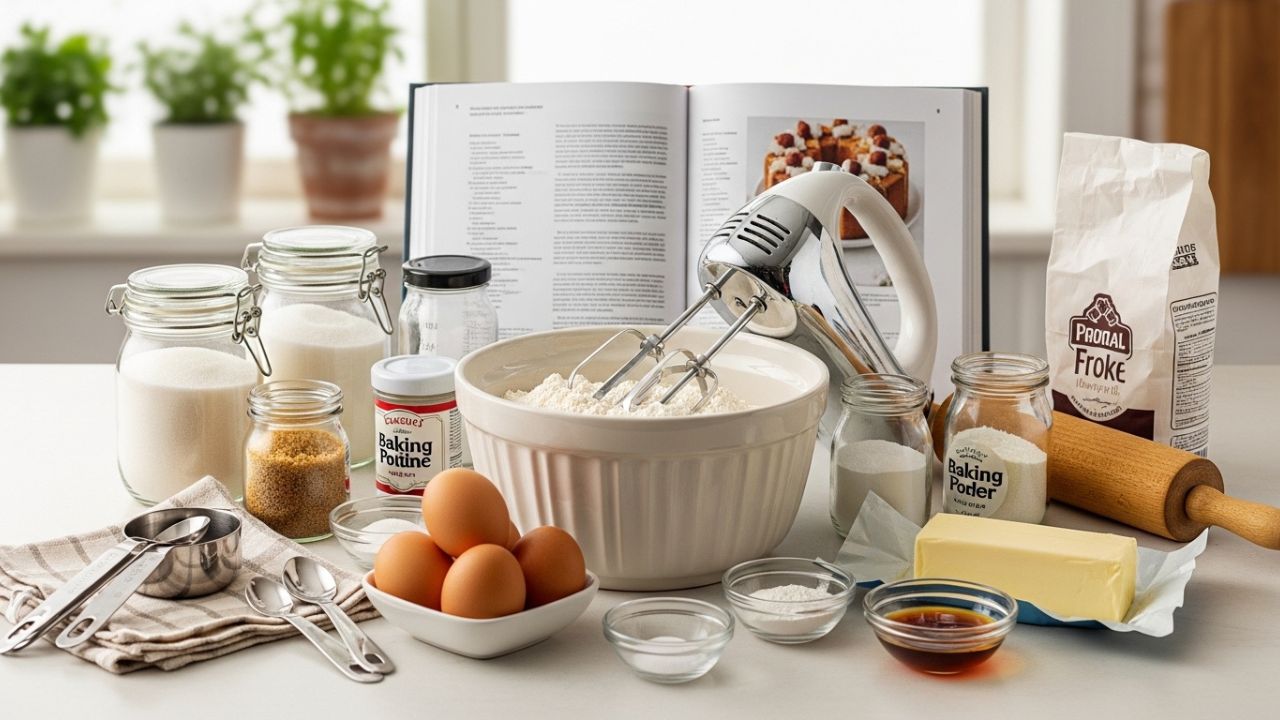
Baking is often described as a science, and while that may sound intimidating at first, it is actually reassuring, especially when you understand key principles like baking sugar substitutes like erythritol. It means that when you follow a few fundamental principles, consistent and delicious results become much easier to achieve. Many beginners get frustrated when recipes fail, but the issue is usually not the recipe itself—it is a lack of understanding of the basic techniques behind it.
Whether you are aiming for a fluffy sponge cake or a crusty homemade loaf, the same core principles apply. I used to struggle with flat cookies and dense muffins until I realized I was rushing through the basics. Learning and practicing foundational skills can completely transform your baking results.

The Art of Precision: Measuring Ingredients
One of the biggest reasons baking fails is inaccurate measurement. Unlike cooking, baking depends on chemical reactions that require balance and precision. Even small differences in ingredient quantities can dramatically change the final result.
The Spoon and Level Method
If you do not have a digital scale, the spoon-and-level method is the most reliable way to measure dry ingredients. First, fluff the flour with a spoon, then gently spoon it into your measuring cup. Finally, level it off with a flat edge. Avoid packing the flour, as this can lead to using more than needed.
The Digital Scale Advantage
Switching to a digital scale is one of the most impactful improvements you can make in baking. Measuring ingredients by weight (grams) instead of volume (cups) ensures consistent results every time. It also reduces guesswork and minimizes cleanup since fewer measuring tools are needed.
Temperature Matters More Than You Think
Temperature plays a crucial role in baking success, yet it is often overlooked. Many recipes call for room temperature ingredients, and this instruction is more important than it seems, alongside proper ingredient temperature and storage for chocolate. Butter and eggs should be at the correct temperature to ensure proper mixing and texture. Room-temperature butter helps trap air when creamed with sugar, creating a light and airy batter. If it is too cold, it will not mix properly; if it is too warm, it may melt and affect the structure of the baked good.
Most home ovens are not perfectly accurate. Even if the dial shows the correct temperature, the actual heat inside may vary. Using an oven thermometer helps ensure accuracy and prevents issues like underbaked centers or overbrowned edges.

Mixing Methods: Beyond the Spoon
How ingredients are combined has a direct impact on texture and structure. Understanding mixing methods helps prevent common baking problems like dense cakes or tough muffins.
1. The Creaming Method
The creaming method is commonly used for cakes and cookies. It involves beating softened butter and sugar together until the mixture becomes light and fluffy. This step is essential because it incorporates air into the batter, helping baked goods rise properly in the oven.
2. The Folding Technique
Folding is used when combining delicate mixtures, such as whipped egg whites or whipped cream, with heavier batters. The goal is to preserve air bubbles.
To fold properly, cut through the center of the mixture with a spatula, gently lift the batter from the bottom, and turn it over the top. Rotate the bowl as you repeat the motion until everything is just combined.
3. Cutting in Fat
This method is commonly used for biscuits and pie crusts. Cold fat, such as butter, is cut into flour until the mixture resembles coarse crumbs. The key is to keep the fat cold so that it creates steam during baking, resulting in flaky layers.
Common Baking Pitfalls
Even experienced bakers encounter problems. Understanding common mistakes can help you avoid them. Opening the oven door too early is a frequent mistake. It allows heat to escape and can cause cakes or soufflés to collapse before they are fully set. Overmixing is another common issue. Once flour is added, gluten begins to develop. While gluten is important for bread, too much of it can make cakes and muffins tough. Mix only until the ingredients are just combined. Improper greasing can also ruin baked goods. To prevent sticking, use butter and flour or parchment paper to ensure easy release from the pan.

Storage and Freshness
Proper storage helps maintain freshness and texture after baking. Cakes are best stored in airtight containers at room temperature. Refrigeration can dry them out and affect their texture. Cookies stay soft when stored in a sealed container with a small piece of bread, which helps maintain moisture. Bread should not be refrigerated. It is best kept in a paper bag at room temperature for short-term use or frozen if you want to store it longer.
FAQs
Baking soda and baking powder are often confused but are not the same.
Baking soda requires an acidic ingredient like yogurt or lemon juice to activate, while baking powder already contains acid and activates when exposed to moisture and heat.
All-purpose flour is versatile and works for most recipes.
However, bread flour creates chewier textures due to higher protein content, while cake flour produces softer and lighter baked goods.
A sinking cake is usually caused by incorrect oven temperature,
opening the oven door too early, or using too much leavening agent, which causes the cake to rise too quickly and then collapse.
Yes, the order of ingredients matters in baking.
For example, adding eggs one at a time when creaming butter helps maintain a stable mixture and prevents it from separating.
To check yeast activity, dissolve it in warm water with a small amount of sugar. If it becomes foamy within about 10 minutes, the yeast is active and ready to use. If not, it may be expired.
Conclusion
Baking Techniques is a journey of constant learning guide, and mastering freezing cakes for long-term freshness helps extend that learning into everyday kitchen success. Don’t be discouraged by a sunken cake or a tough muffin; every failure is just a lesson in how ingredients interact. By slowing down, measuring accurately, and respecting temperatures, you’ll find that the magic of baking is actually a series of manageable, logical steps.

Henry James is the writer behind Fooodies.site, where he shares easy recipes, practical cooking guides, and simple kitchen tips for everyday home cooks. He enjoys experimenting with flavors and turning everyday ingredients into delicious, homemade meals. His goal is to make cooking feel simple, enjoyable, and achievable for everyone. He focuses on creating clear, well-tested content that readers can trust and follow with confidence.