

If you’ve ever walked down the canned vegetable aisle or explored the heart of a Latin American grocery store, you’ve likely seen large, puffy white kernels labeled hominy. At first glance, they may look like corn that has been slightly overinflated, but once you taste them, you realize they are completely different from regular sweet corn. Hominy has a chewy, hearty texture and a deep, earthy flavor that sets it apart in soups, stews, and traditional dishes—much like how exploring creative recipes using pizza dough can open up entirely new ways to use familiar ingredients. For many people, hominy goes unnoticed on store shelves until they encounter it in a traditional meal like pozole. That first bowl is often what makes its unique texture and flavor unforgettable.
So, what exactly is Hominy?
In its simplest form, hominy definition and overview is corn that has been specially processed. It starts as dried field corn (maize) and goes through an ancient preparation method known as nixtamalization.
During this process, the dried kernels are soaked and cooked in an alkaline solution, typically made from calcium hydroxide (lime) or wood ash. This traditional technique, used for thousands of years in Mesoamerican cultures such as the Aztecs and Mayans, transforms the corn in several important ways:
- It removes the tough outer hull of the kernel.
- It causes the kernels to soften and expand in size.
- It improves nutritional availability, especially niacin (Vitamin B3), making it easier for the body to absorb.
The result is a corn product with a completely different taste and texture. Instead of sweetness, hominy develops a mild, savory, almost tortilla-like aroma that works beautifully in hearty dishes.
Canned vs. Dried
Hominy is available in both canned and dried forms, and each works well depending on how much time you have and the texture you prefer.
Canned Hominy (The Weeknight Hero)
Canned hominy is fully cooked and ready to use, making it ideal for quick meals. It works especially well in soups and stews where convenience matters.
Before using it, it’s best to rinse canned hominy under cold water. This helps remove excess starch and sodium from the canning liquid, resulting in a cleaner flavor and better texture in your dish.
Dried Hominy (The Weekend Project)
Dried hominy resembles large, pale popcorn kernels and requires more preparation. It typically needs to be soaked overnight and simmered for several hours until tender.
The reward for this extra effort is texture. Dried hominy has a firmer, more satisfying bite compared to canned versions. It holds its shape well in slow-cooked dishes and is often preferred for traditional recipes prepared in large batches.
Practical Ways to Cook with Hominy
Hominy is far more versatile than many people realize. Its ability to absorb flavors and add texture makes it a strong base ingredient in many recipes.
1. In Soups and Stews
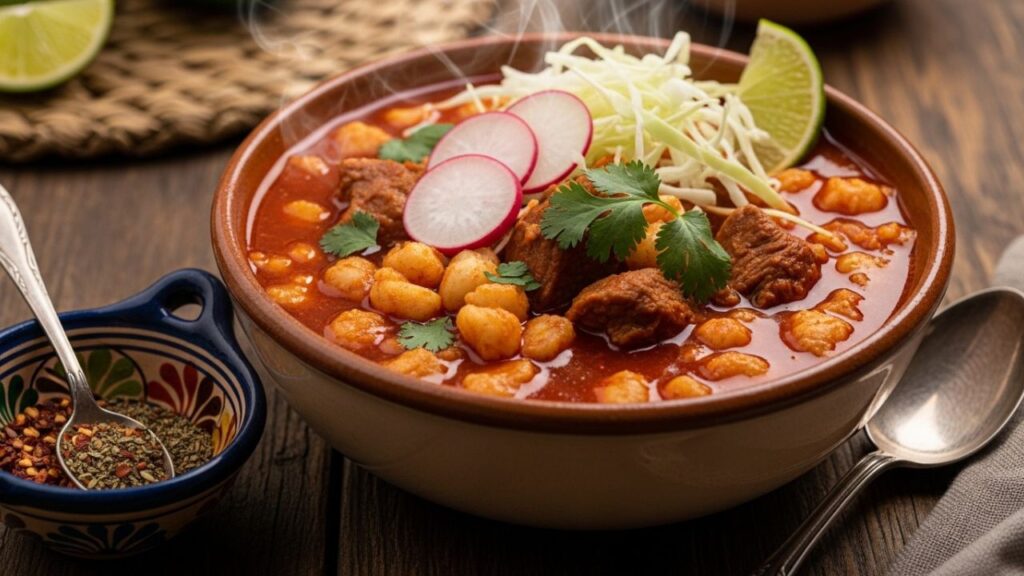
The most famous use is in Pozole, a traditional Mexican soup, much like an authentic Southern gumbo recipe showcases how hearty ingredients come together in rich, slow-cooked dishes. The hominy acts as the meat of the dish, providing a satisfying chew that pairs beautifully with shredded pork or chicken and a spicy broth.
2. The Southern Favorite
Stone-ground grits are traditionally made from hominy, which gives them their distinct flavor and creamy texture. This preparation has deep roots in Southern cooking and remains a breakfast staple in many households.
3. Fried and Crispy
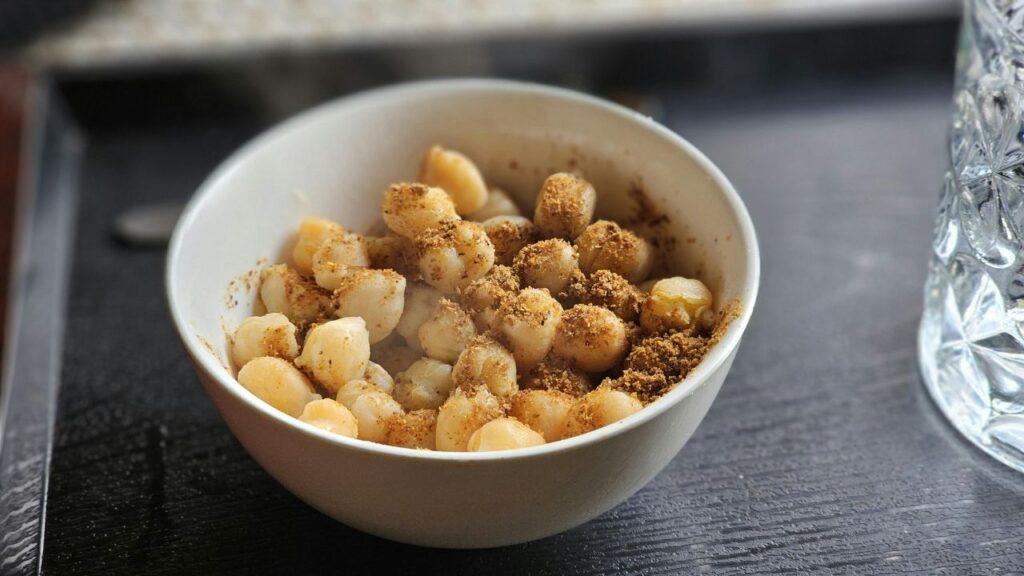
Hominy can also be roasted or fried for a crunchy snack. When dried thoroughly and seasoned with spices like paprika, salt, or garlic powder, then baked or air-fried, it becomes crisp on the outside while staying slightly soft inside. The result is a satisfying snack similar in concept to roasted corn nuts.
Common Mistakes to Watch Out For
- Treating it like Sweet Corn: Hominy is not sweet corn. It is mild, starchy, and savory. Using it in sweet-style dishes can create an unexpected texture mismatch.
- Not Seasoning Early Enough: Because hominy kernels are dense, they need time to absorb seasoning. Adding them too late in the cooking process can result in bland flavor.
- Skipping the Rinse Step: Canned hominy should always be rinsed before use. Leaving it unwashed can introduce a slightly metallic or overly starchy taste into your dish. you don’t rinse canned hominy, the tinny taste of the canning liquid can linger in your dish.

Storage and Safety Advice
Hominy is easy to store, but proper handling helps maintain its quality and flavor. Dry Hominy: Store in an airtight container in a cool, dry place. When stored properly, it can last up to a year, although older kernels may require longer cooking times. Open Canned Hominy: Once opened, transfer any unused portion to a sealed container along with a small amount of liquid. Refrigerate and use within 3–4 days. Freezing: Cooked hominy freezes very well. Portion it into freezer-safe bags or containers for easy use in future meals, especially soups and stews. For those interested in nutrition data and food safety information on processed grains, the USDA FoodData Central database offers detailed and reliable references.s.
Conclusion
Hominy is a unique ingredient with deep historical roots and modern culinary versatility. From traditional soups like pozole to simple roasted snacks, it offers a texture and flavor that regular corn cannot replicate. Whether you’re exploring new ingredients or expanding your everyday cooking options, hominy is worth adding to your kitchen. With just a little preparation, it can transform both simple and complex dishes—and even inspire spicy crunchy snack ideas like chili killies for something completely different.
Frequently Asked Questions
1. Is hominy gluten-free?
Yes, hominy is naturally gluten-free since it is made entirely from corn. However, it’s always important to check labels on packaged versions to ensure there is no cross-contamination during processing.
2. What is the difference between white and yellow hominy?
White hominy is milder in flavor and more neutral, while yellow hominy has a slightly stronger corn taste and contains more natural pigments like beta-carotene. Both can be used interchangeably in most recipes.
3. Can I make hominy at home from fresh corn?
It is possible, but it requires specific ingredients like field corn and food-grade lime. The process also takes time and care. For most home cooks, store-bought dried or canned hominy is a more practical option.
4. Does hominy cause digestive upset?
For many people, hominy is actually easier to digest than untreated corn. The nixtamalization process breaks down components of the kernel, improving digestibility.
5. Can I use hominy in salads?
Yes, hominy works well in salads, especially Southwest-style dishes with beans, avocado, and citrus-based dressings. It should be fully cooked and cooled before being added.

Henry James is the writer behind Fooodies.site, where he shares easy recipes, practical cooking guides, and simple kitchen tips for everyday home cooks. He enjoys experimenting with flavors and turning everyday ingredients into delicious, homemade meals. His goal is to make cooking feel simple, enjoyable, and achievable for everyone. He focuses on creating clear, well-tested content that readers can trust and follow with confidence.