
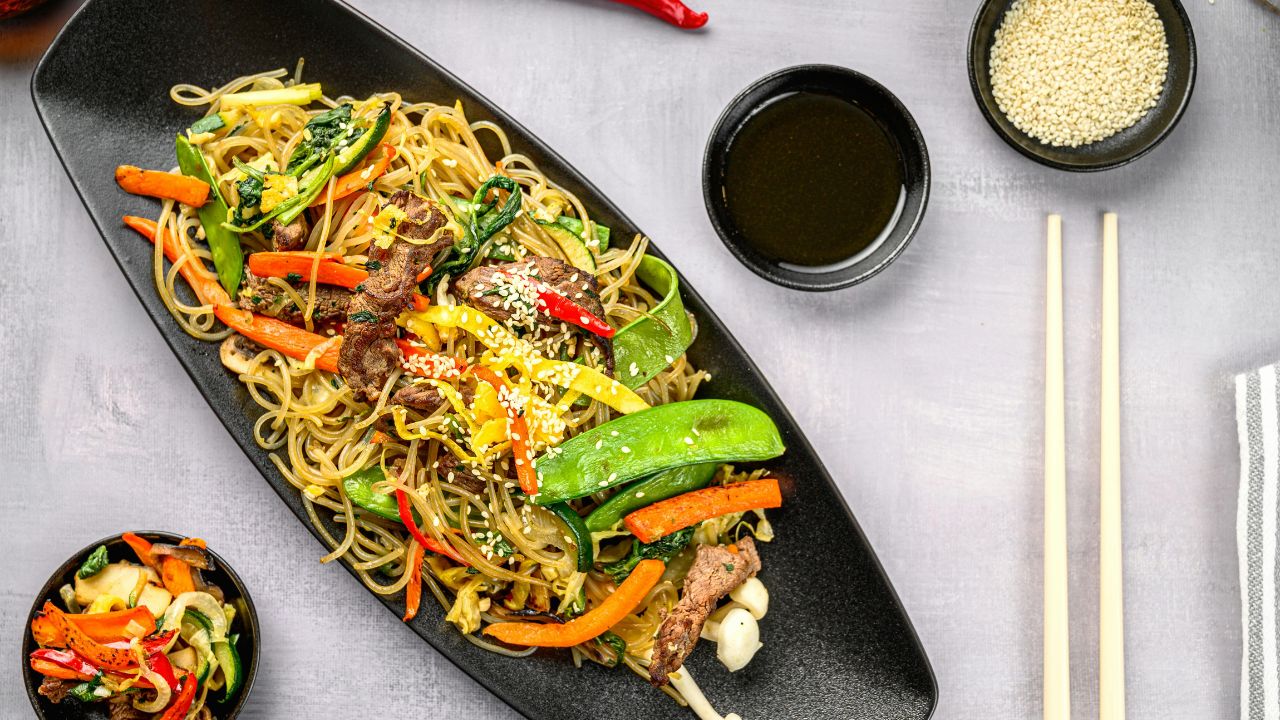
We have all been there. You walk through the door after a long day, the fridge looks uninspiring, and the temptation to pull out your phone and order delivery is overwhelming. But here is a little secret: by the time the delivery driver finds your house, you could have already finished one of these Easy Asian Dinner Recipes—or even explored other quick and creative recipe ideas for busy nights. There is a misconception that Asian cuisine requires hours of prep or a pantry full of impossible-to-find ingredients. In reality, much of the everyday cooking in households across East and Southeast Asia is built on speed, high heat, and a few clever staples.
The beauty of these meals lies in their versatility. Whether you are craving the salty-sweet snap of a classic beef and broccoli or the comforting slurp of garlic chili oil noodles, the foundations remain the same. These recipes focus on umami—that savory fifth taste that makes food feel deeply satisfying. By learning just a few basic techniques, like how to properly sear a protein or balance a sauce with lime and soy, you unlock a world of flavor that is fresher, cheaper, and often much healthier than restaurant versions. Let’s get your wok (or your favorite large skillet) ready for a culinary upgrade.
The Shortcut Pantry
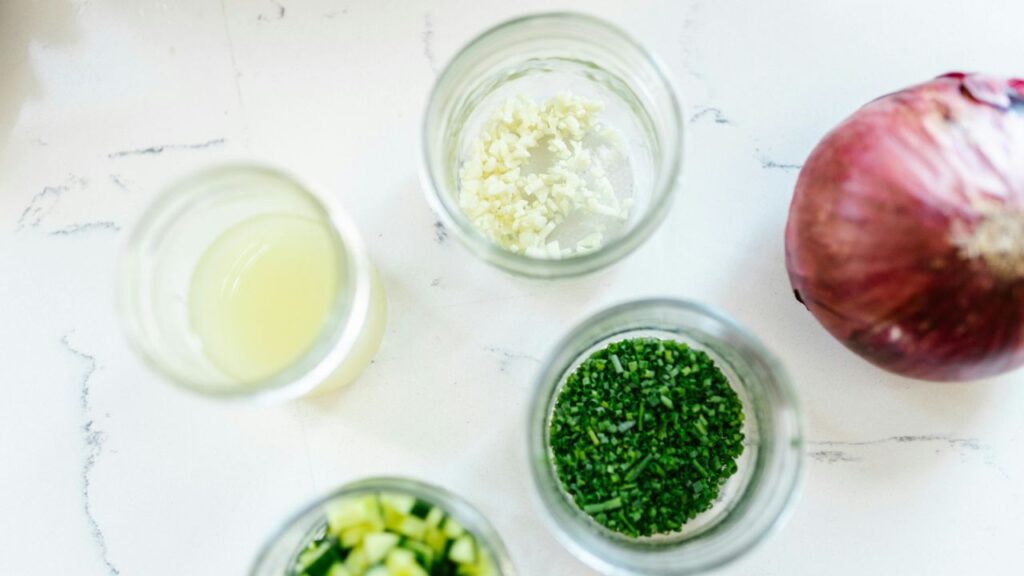
To excel at Easy Asian Dinner Recipes, you don’t need a hundred different bottles. You just need the Essential Six. These ingredients will allow you to make roughly 80% of the most popular stir-fries and noodle dishes.
The Essential Sauce Base
- Soy Sauce: The backbone of salt and depth. (Use Tamari for a gluten-free option).
- Toasted Sesame Oil: For that nutty, aromatic finish. A little goes a long way!
- Oyster Sauce (or Vegetarian Mushroom Sauce): This provides the glossy restaurant look and a savory thickness.
- Rice Vinegar: A splash of acidity to brighten the heavy flavors.
- Ginger and Garlic: Fresh is always superior. Keep ginger in your freezer to make it easier to grate!
- Sweetener: A touch of brown sugar, honey, or even maple syrup to balance the salt.
Proteins and Veggies
- Quick-Cooking Proteins: Thinly sliced flank steak, chicken breast, shrimp, or extra-firm tofu.
- The Crunch Factor: Snap peas, broccoli florets, bell peppers, and julienned carrots.
- Aromatics: Green onions (scallions) and optional red chili flakes for heat.
Equipment
- A High-Heat Vessel: A carbon steel wok is traditional, but a large stainless steel or cast-iron skillet works perfectly. Avoid non-stick if possible, as it doesn’t sear meat as effectively.
Master the 15-Minute Stir-Fry
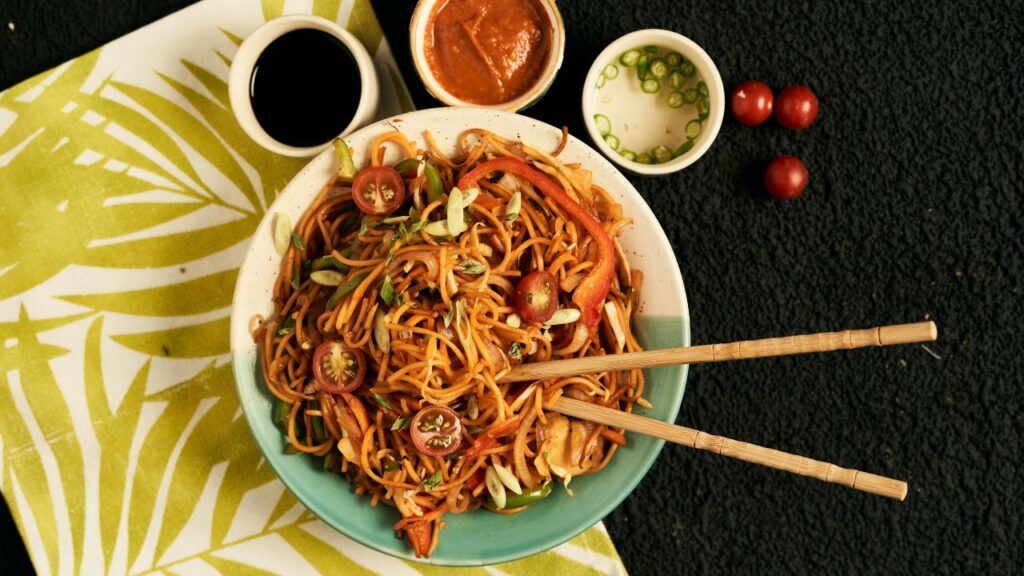
This method works for almost any combination of meat and vegetables. Once you learn the rhythm, you won’t even need to look at a recipe.
1. The Velveting Trick (Optional but Recommended)
If using chicken or beef, toss the thinly sliced meat in 1 teaspoon of cornstarch and a splash of soy sauce. This creates a protective barrier that keeps the meat tender and juicy under high heat—a hallmark of professional Asian cooking techniques.
2. Prepare the Everything Sauce
In a small jar, whisk together 3 tbsp soy sauce, 1 tbsp oyster sauce, 1 tsp sugar, 1 tsp sesame oil, and 1 tsp grated ginger. Having the sauce ready before you turn on the stove is the key to preventing burnt garlic.
3. The High-Heat Sear
Get your pan ripping hot with a tablespoon of high-smoke-point oil (like canola or avocado oil). Add your protein in a single layer. Let it sit for 2 minutes to get a brown crust, then toss and remove it from the pan. It doesn’t need to be fully cooked yet!
4. Flash-Fry the Vegetables
Add another teaspoon of oil if the pan is dry. Throw in your hard veggies first (broccoli, carrots). Add a tablespoon of water and cover for 60 seconds to steam them slightly. Remove the lid, add soft veggies (peppers, onions), and the minced garlic. Stir-fry for 2 minutes.
5. The Great Rebranding
Add the protein back into the pan. Pour your prepared sauce over the top. The cornstarch from the meat and the sugars in the sauce will bubble and thicken almost instantly. Toss everything for 60 more seconds until every piece is coated in a dark, shimmering glaze.
Pro-Tips for Kitchen Efficiency
- Prep is 90% of the Work: In Easy Asian Dinner Recipes, the actual cooking time is usually under 10 minutes. Spend your time chopping everything beforehand. Once the heat is on, you won’t have time to slice an onion.
- Don’t Overcrowd: If you put too much meat in the pan at once, the temperature drops, and the meat boils in its own juices instead of searing. Cook in batches if necessary.
- Dry Your Veggies: If your vegetables are dripping with water after washing, they will steam instead of fry. Use a salad spinner or paper towels to get them bone-dry.
- Kitchen Tip: If you have leftover ginger or garlic, explore our helpful guide on how to store fresh aromatics so they stay fresh and flavorful for weeks.
Storage and Meal Prep Secrets
Most stir-fries and noodle dishes are actually better the next day as the flavors have time to meld.
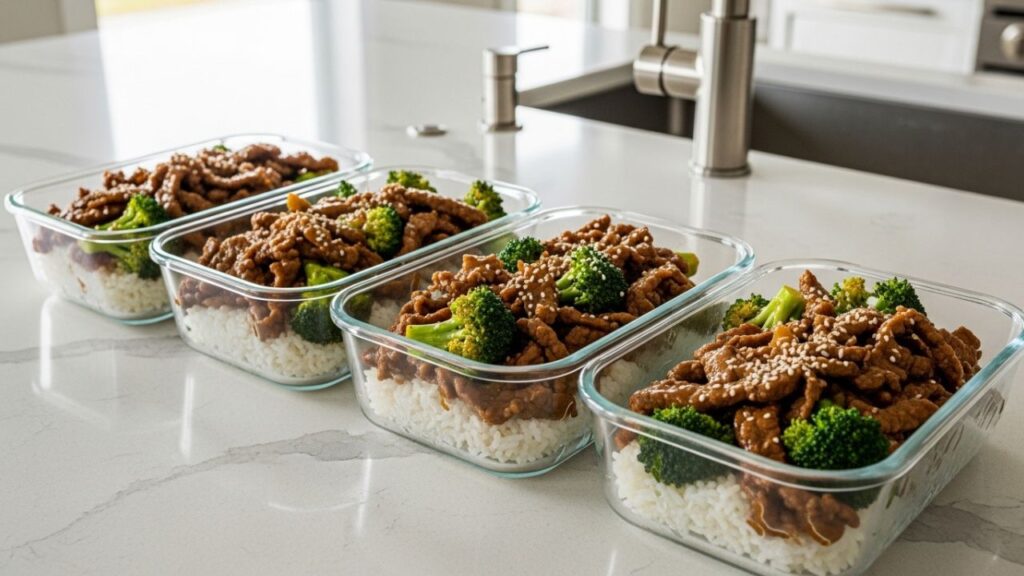
- Refrigeration: Store in airtight glass containers for up to 5 days.
- The Rice Separate Rule: If possible, store your rice or noodles in a separate container from the stir-fry. This prevents the grains from soaking up all the sauce and becoming mushy.
- Reheating: Use a skillet over medium heat with a tiny splash of water to loosen the sauce. If using a microwave, cover with a damp paper towel to keep the steam in.
- Freezing: While you can freeze these meals, crunchy vegetables like bell peppers will lose their texture. For freezing, stick to sturdier meals like Homemade Teriyaki Chicken or beef-based dishes—if you want more ideas, you can explore a full teriyaki menu for inspiration.
Perfect Pairings
To turn your stir-fry into a full feast, consider these additions:
- Base Layer: Jasmine rice is the standard, but try cold soba noodles or even quinoa for a twist.
- Texture Boost: Top your dish with crushed peanuts, toasted cashews, or fried shallots.
- Freshness: A squeeze of fresh lime juice right before eating cuts through the salt and adds a professional pop.
- Heat: Keep a jar of chili crisp or Sriracha on the table for those who like a spicy kick.
Conclusion
Mastering Easy Asian Dinner Recipes is one of the most rewarding skills a home cook can develop. It’s a testament to the fact that fast food doesn’t have to come from a drive-thru window. With a little bit of prep and the right heat, you can create vibrant, colorful, and deeply flavorful meals that nourish your body and satisfy your cravings. The next time you’re tired and eyeing that takeout menu, remember that you are only 15 minutes away from a better meal made right in your own kitchen. Grab your soy sauce, chop those veggies, and start cooking!
FAQ’s
1. Can I make these recipes low-carb?
Absolutely. Simply swap the rice for cauliflower rice or use zoodles (zucchini noodles). You can also increase the vegetable-to-meat ratio and skip the cornstarch in the marinade.
2. What is the best oil for Asian cooking?
You need an oil that won’t smoke at high temperatures. Avoid butter or extra virgin olive oil. Instead, use peanut oil, canola oil, or grapeseed oil. Follow USDA guidelines for fat and oil safety to ensure you aren’t heating oils past their stability point.
3. My sauce is too thin. How do I fix it?
Mix 1 tsp of cornstarch with 1 tsp of cold water (a slurry) and pour it into the boiling sauce. It will thicken in seconds.
4. Can I use frozen vegetables?
Yes, but thaw them and pat them very dry first. Frozen vegetables release a lot of water, which can turn a stir-fry into a soup if you aren’t careful!

Henry James is the writer behind Fooodies.site, where he shares easy recipes, practical cooking guides, and simple kitchen tips for everyday home cooks. He enjoys experimenting with flavors and turning everyday ingredients into delicious, homemade meals. His goal is to make cooking feel simple, enjoyable, and achievable for everyone. He focuses on creating clear, well-tested content that readers can trust and follow with confidence.