
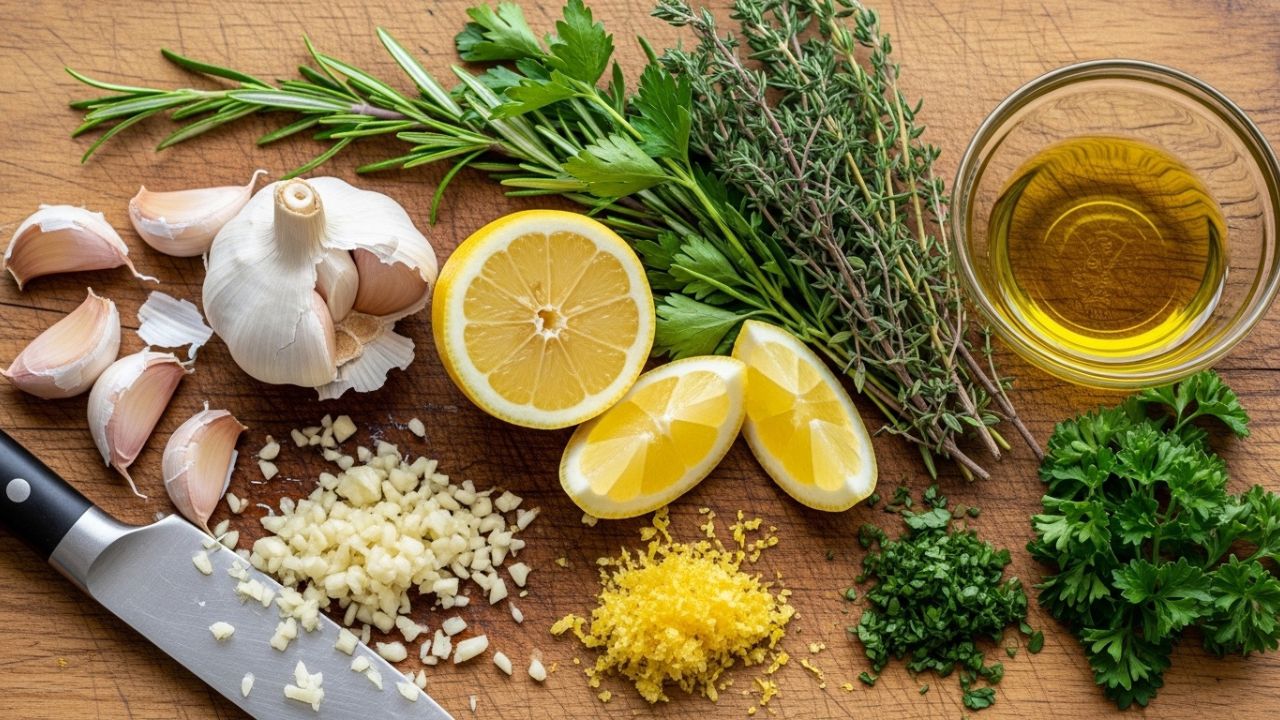
There is something deeply satisfying about a good homemade sauce. It can take the simplest meal—grilled chicken, roasted vegetables, or even warm pita—and completely transform it. Pharaoh Sauce is one of those bold, garlicky blends that brings a fresh Mediterranean spark to everyday cooking, offering plenty of herbal flavor inspiration for your kitchen adventures. It’s creamy, bright, and packed with flavor that lingers just enough to keep you going back for more.

What is Pharaoh Sauce?
Pharaoh Sauce is a modern Mediterranean-style garlic sauce known for its bold flavor and creamy texture. It draws inspiration from traditional sauces like Lebanese toum but is usually adapted for home kitchens with a softer, more balanced profile. Many versions include yogurt, tahini, or olive oil to mellow the sharpness of raw garlic while keeping its signature punch.
What makes it special is the contrast—it’s creamy but sharp, rich yet refreshing. A good Pharaoh Sauce should wake up your palate without overwhelming it.
The Ingredient Breakdown
Choosing the right ingredients makes all the difference here because the sauce is uncooked and relies entirely on freshness for its flavor.
- Fresh Garlic: Go for firm, fresh garlic bulbs. Avoid pre-peeled or jarred garlic since they often lack the strong natural oils needed for depth of flavor.
- The Acid Base: Fresh lemon juice is essential. A small splash of apple cider vinegar or white balsamic vinegar can help round out the acidity.
- The Emulsifier: You can use extra virgin olive oil for a traditional approach, or opt for Greek yogurt or mayonnaise if you prefer a creamier and more stable texture.
- Herbs and Spices: Parsley is the most common herb used, along with oregano or a pinch of cumin for warmth and depth.

Step-by-Step: Crafting the Sauce
Making Pharaoh Sauce is simple, but technique plays a big role in the final taste and texture.
1. Macerating the Garlic
Start by crushing fresh garlic cloves into a paste using a pinch of coarse salt. This helps break down the garlic and soften its sharp edges. Let it rest for a few minutes so the flavor mellows naturally.
2. The Slow Emulsion
If you’re using olive oil, add it slowly while whisking to create a smooth emulsion. For yogurt or mayo-based versions, simply fold the garlic paste into the base until fully combined.
3. Balancing the Brightness
Add lemon juice gradually, tasting as you go. Lemons vary in strength, so adjusting slowly ensures you don’t overpower the sauce with acidity.
Practical Cooking Insights
Pharaoh Sauce works beautifully in many dishes, especially grilled meats like chicken or lamb, and pairs wonderfully with garlic-forward recipes for an extra punch of flavor. It also pairs surprisingly well with roasted vegetables, grain bowls, or even as a dip for fresh bread.
One helpful tip is letting the sauce rest before serving. When refrigerated for several hours—or ideally overnight—the garlic flavor softens and blends more smoothly with the other ingredients. The result is a more rounded and flavorful sauce.

Common Mistakes to Avoid
- Using Old Garlic: Sprouted garlic can add bitterness and ruin the balance of the sauce.
- Over-blending: Especially with yogurt-based versions, too much processing can make the sauce watery instead of creamy.
- Skipping Salt: Salt is essential for bringing out the natural depth of garlic. Without it, the sauce can taste flat and unfinished.
Storage Advice
Because Pharaoh Sauce often contains fresh garlic and dairy, proper storage is important.
Keep it sealed tightly: Garlic aroma is strong and can affect other foods in your fridge if not stored properly.
Refrigeration only: Always store the sauce in the refrigerator in an airtight container.
Shelf life: It stays best for about 5–7 days. Freezing is not recommended because it can separate the texture and ruin the creaminess.
Conclusion
Pharaoh Sauce is more than just a garlic-based condiment—it’s a versatile Mediterranean-inspired flavor enhancer that can easily become a staple in everyday cooking. Once you understand its core balance of fresh garlic, acidity, and creaminess, you unlock a wide range of ways to use it beyond the basics.
What makes this sauce especially valuable in a modern kitchen is its adaptability. It can be kept light and tangy for salads, made rich and creamy for wraps and sandwiches, or intensified for grilled meats and kebabs. This flexibility is what makes it stand out from many store-bought sauces that often taste one-dimensional. From an SEO perspective, Pharaoh Sauce is also gaining popularity among home cooks searching for Mediterranean garlic sauce recipes, healthy homemade condiments, and easy yogurt or tahini-based sauces. Its rising appeal comes from people looking for fresh, preservative-free alternatives that still deliver restaurant-quality flavor at home. perfect seafood companion for flavorful meals.
FAQ’s
1. Is Pharaoh Sauce spicy?
It’s not chili-spicy, but it does have a sharp garlic heat that gives a warm, lingering sensation.
2. Can I make it vegan?
Yes. Vegan mayo or silken tofu works well as a base while still keeping the creamy texture.
3. Why did my sauce taste bitter?
Bitterness usually comes from sprouted garlic or over-processed olive oil.
4. What if it’s too strong?
You can soften it by adding more yogurt or a bit of sour cream to balance the intensity.
5. Can I use it as a marinade?
Yes, thinning the sauce slightly makes it a great marinade for chicken or even vegetables.

Henry James is the writer behind Fooodies.site, where he shares easy recipes, practical cooking guides, and simple kitchen tips for everyday home cooks. He enjoys experimenting with flavors and turning everyday ingredients into delicious, homemade meals. His goal is to make cooking feel simple, enjoyable, and achievable for everyone. He focuses on creating clear, well-tested content that readers can trust and follow with confidence.