
When I think of the bold, sun-soaked flavors of Mexico’s Pacific coast, I imagine food that feels alive with smoke, citrus, and spice. One dish that captures that feeling perfectly is Ixtapa-style beef. This isn’t your typical weeknight taco filling—especially if you enjoy exploring chips from Mexico alongside bold, authentic flavors. It’s a flavorful preparation of sliced steak cooked quickly over high heat, then brought together with peppers, onions, and a bright, savory sauce. What makes it special is the contrast—crispy seared edges of beef balanced with soft, sweet vegetables and a citrusy finish. Over time, I’ve adjusted this recipe to capture that coastal comfort-food feeling: simple ingredients, strong heat, and bold seasoning.
The Secret is in the Cut: Shopping for Ixtapa Beef
Choosing the right cut of beef makes all the difference in this dish. Since everything cooks quickly, texture matters just as much as flavor. Flank steak is usually my first choice because it has a strong grain and absorbs seasoning well while staying relatively lean, and a guide to beef cuts like flank and skirt steak can help you choose the right option. Skirt steak is another great option if you prefer a deeper beef flavor, though it benefits from careful trimming. A bit of marbling is helpful, but overly fatty cuts can overwhelm the quick cooking process. The goal is tender strips that stay juicy without becoming greasy or chewy. When selecting beef, look for a fresh red color and firm fat. If the meat looks dull or there’s excess liquid in the packaging, it’s better to choose a different piece.
Essential Ingredients
To bring this dish together, you only need a few well-balanced components that work in harmony.
- Beef: Thinly sliced flank or skirt steak, cut against the grain for tenderness.
- Vegetables: Bell peppers in mixed colors, white onion, and fresh jalapeños for heat.
- Aromatics: Fresh garlic is essential, with optional ginger for a subtle brightness.
- Sauce Base: Tomato purée combined with beef stock and fresh lime juice for balance.
- Seasoning: Smoked paprika, cumin, oregano, salt, and black pepper.
- Finishing Touches: Fresh cilantro and either crumbled cotija cheese or a spoon of sour cream for creaminess.
Step-by-Step Instructions
1. The Prep and the Grain
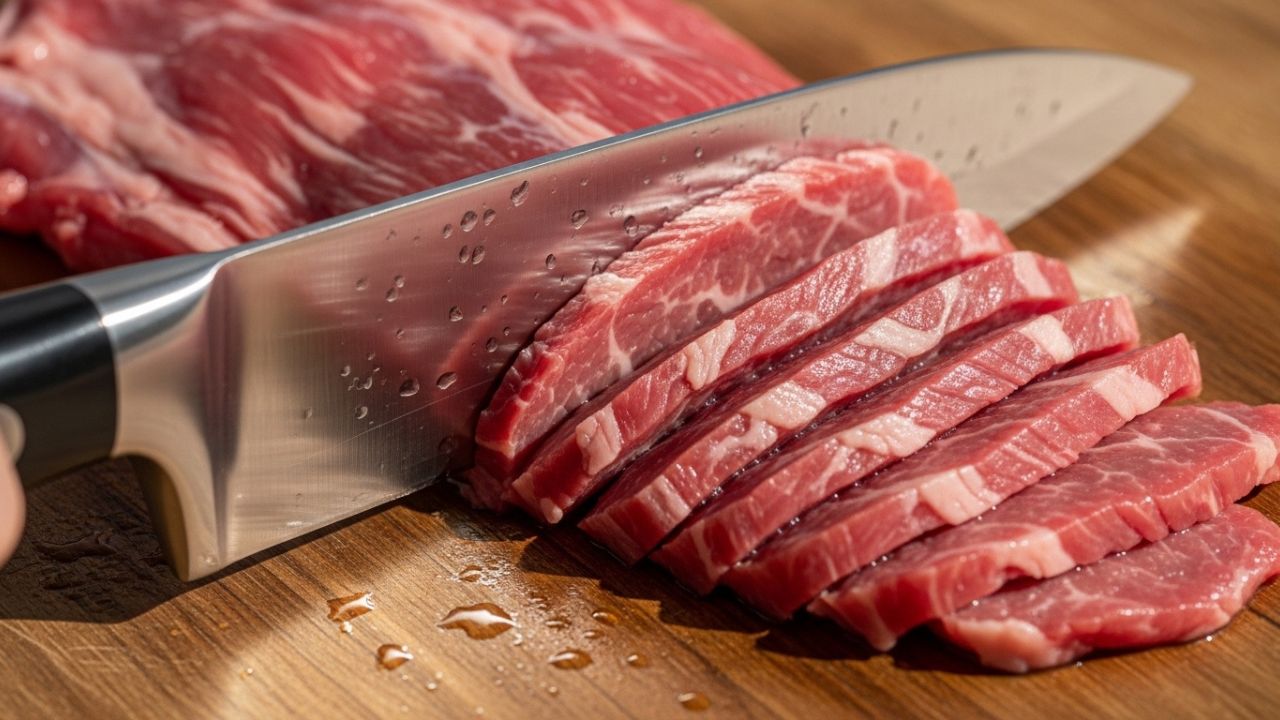
Start by slicing the beef thinly against the grain. A helpful trick is placing it in the freezer for about 15 minutes beforehand—this firms it up and makes slicing easier and cleaner. Thin, even slices help everything cook quickly and stay tender.
2. The Hard Sear
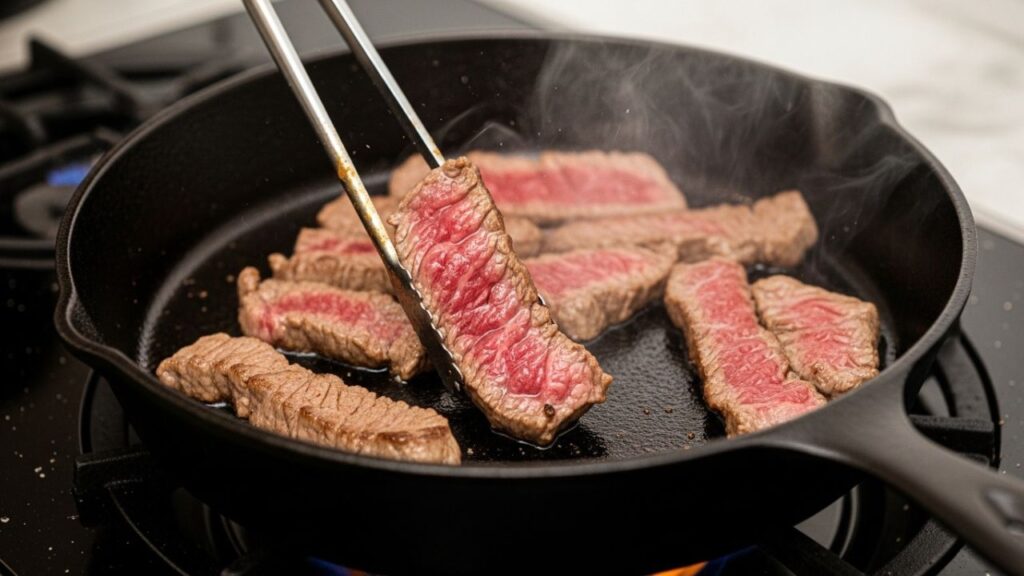
Heat a cast-iron pan or heavy skillet over high heat until very hot. Add a small amount of oil with a high smoke point.
Cook the beef in small batches so it sears instead of steaming. Each piece should develop a deep brown crust. If the pan is overcrowded, the meat releases moisture and loses that rich, caramelized flavor. Remove the beef once seared and set it aside.
3. Sautéing the Coast
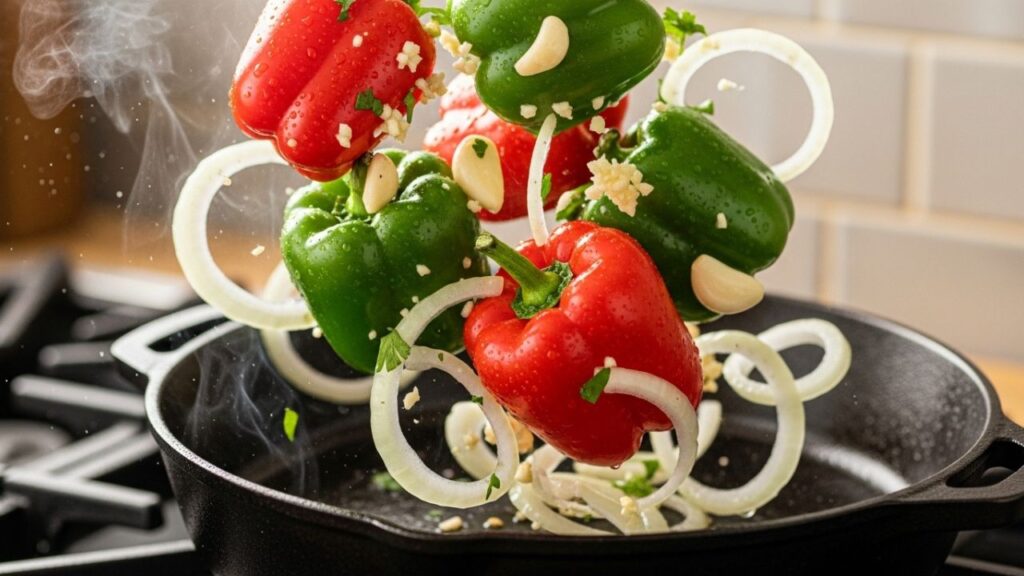
Using the same pan, add onions and peppers. The leftover beef drippings add depth to the flavor.
Cook until the vegetables soften slightly but still retain some bite. Add garlic and jalapeños at the end so they release aroma without burning.
4. Deglazing and Simmering
Add lime juice and beef stock to the pan, scraping up any browned bits from the bottom. Stir in tomato purée and spices, allowing everything to come together into a rich, slightly tangy sauce.
Return the beef to the pan and simmer briefly—just long enough for the flavors to blend and the sauce to lightly coat the meat. Avoid overcooking to keep the beef tender and juicy.
Personal Cooking Insights
- A key detail I’ve learned is how important timing is with citrus. Lime juice adds brightness, but if it’s cooked too long, it loses freshness. Adding a little at the end helps preserve that sharp, clean flavor.
- If the dish feels too spicy, a small pinch of sugar can soften the heat without changing the overall character of the sauce.
- For texture contrast, toppings like pickled onions or toasted seeds can make the dish more interesting by adding crunch against the soft beef and peppers.
Variations and Flavor Tweaks
- For a richer version, shrimp can be added near the end of cooking to create a surf-and-turf style dish inspired by coastal cuisine—especially if you enjoy spicy shrimp recipes like this jerk shrimp.
- If you prefer smokier flavors, a small amount of chipotle sauce blends well with the spices and adds depth.
- For a lighter approach, the beef can be served over lettuce wraps or cauliflower rice instead of tortillas or grains.
Storage and Reheating Tips
This dish stores well and often tastes even better the next day as the flavors deepen. Keep leftovers in a sealed container in the refrigerator for up to four days. When reheating, use a pan over low to medium heat and add a splash of stock or water to loosen the sauce.
Microwaving works in a pinch, but gentle stovetop reheating preserves texture better. The beef should be warmed just until heated through to avoid toughness. You can also freeze it for longer storage, then thaw overnight in the refrigerator before reheating.
Common Mistakes to Avoid
- Starting with cold beef straight from the fridge can reduce browning and lead to uneven cooking. Letting it sit briefly before cooking helps it sear properly.
- Skipping the resting time after cooking can also affect texture. Even a few minutes off the heat allows juices to settle.
- Finally, using a dull knife can make slicing harder and less precise, which affects how evenly the beef cooks.
Conclusion
Ixtapa-style beef is more than just a quick skillet meal—it’s a vibrant example of coastal Mexican-inspired cooking where bold seasoning, high-heat searing, and fresh citrus come together in perfect balance. The result is a dish that feels both rustic and refined, delivering restaurant-quality flavor with simple, accessible ingredients you can find at any grocery store.
What makes this recipe especially appealing is its versatility. Whether you’re preparing a casual weeknight dinner or building a more complete spread with rice, beans, or warm tortillas, this Mexican beef stir fry adapts easily without losing its identity. The combination of tender beef strips, caramelized vegetables, and a tangy tomato-lime sauce creates layers of flavor that continue to develop as it rests, making leftovers just as enjoyable—if not better—the next day.
FAQ’s
1. Can I use chicken instead of beef?
Yes. Chicken thighs work especially well because they stay moist during simmering.
2. Is this dish very spicy?
It has a mild to moderate heat level depending on how many seeds are left in the jalapeños.
3. What can I serve it with?
Rice, beans, or warm tortillas all pair well with this dish.
4. Can it be made in a slow cooker?
Yes, but the texture will be softer. Tougher cuts like chuck work best for slow cooking.
5. How do I thicken the sauce?
Let it simmer uncovered a bit longer, or add a small slurry of cornstarch and water if needed.

Henry James is the writer behind Fooodies.site, where he shares easy recipes, practical cooking guides, and simple kitchen tips for everyday home cooks. He enjoys experimenting with flavors and turning everyday ingredients into delicious, homemade meals. His goal is to make cooking feel simple, enjoyable, and achievable for everyone. He focuses on creating clear, well-tested content that readers can trust and follow with confidence.