
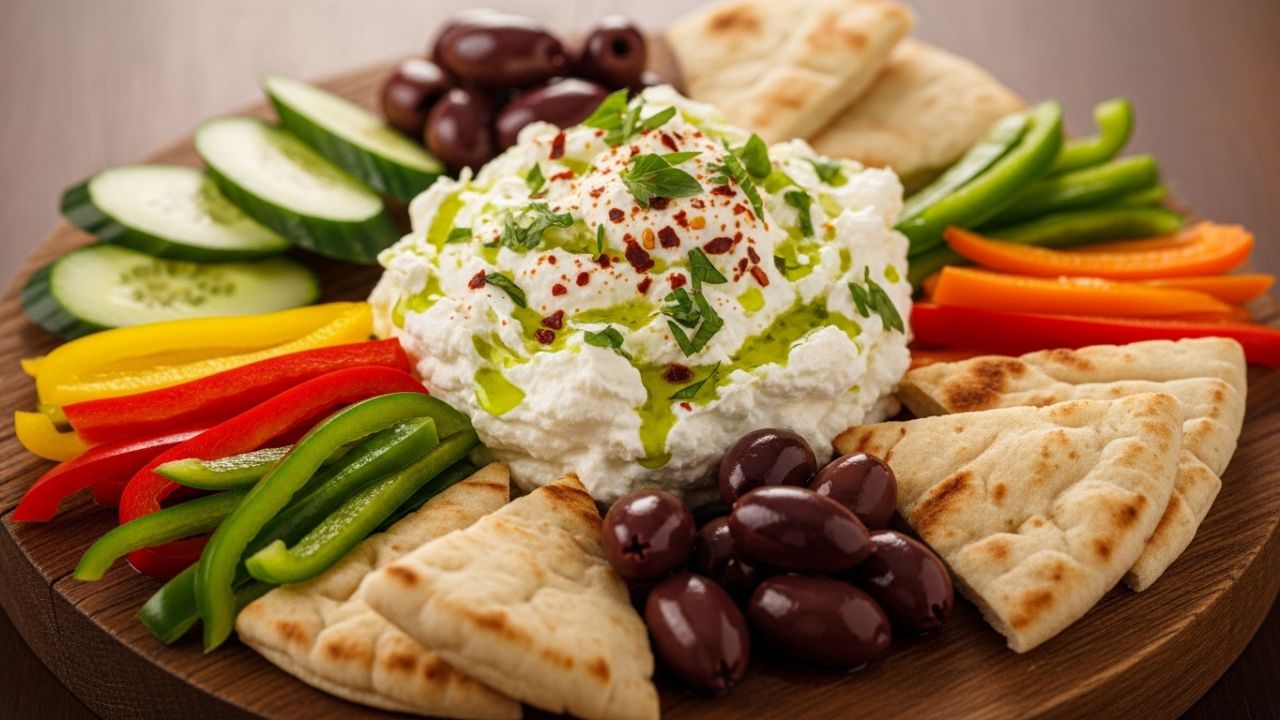
There is a specific kind of magic that happens when you set down a platter of truly exceptional appetizers. The air in the room shifts from polite conversation to genuine excitement. In my years of hosting and developing recipes, I have found that the most “killer” appetizer aren’t the ones that require three days of prep or a sous-vide machine. Instead, they are the dishes that take humble, high-quality ingredients and transform them through technique into something unrecognizable and luxurious.
After testing this several times in my own kitchen, I’ve realized that the “simple” label shouldn’t mean basic. It should mean streamlined. My go-to for a crowd-pleasing start is a sophisticated, herb-infused Whipped Feta. It is salty, creamy, tangy, and serves as a blank canvas for seasonal toppings. Before we dive into the science of the perfect whip, you might want to explore more easy dessert recipes to find a sweet counterpart for your party menu. In my experience, the contrast between a savory, whipped cheese and a delicate pastry is what makes a gathering memorable.

The Anatomy of an Elite Appetizer
To transition from a “good” appetizer recipes to a “killer” one, you have to focus on the interplay of textures. A great starter should offer a “crunch,” a “cream,” and a “zing.” The whipped feta we are making today provides the cream and the zing, while the toppings and dippers provide the essential crunch.
I’ve found that many home cooks make the mistake of buying pre-crumbled feta. One trick I always use is insisting on feta in brine. The crumbles are coated in cellulose to keep them from sticking together, which ruins the silky emulsification we’re looking for. When you start with the block, you’re starting with pure, unadulterated moisture.
Exact Ratios for Success
This recipe is designed to yield approximately 500g (about 2 cups) of whipped feta, enough for a group of 6 to 8 people.
- Feta Cheese (225g / 8 oz): Use a high-quality sheep’s milk feta (like Greek or Bulgarian). It has a higher fat content which leads to a smoother whip.
- Greek Yogurt (120g / 1/2 cup): Must be full-fat (5% or 10%). This provides the necessary acidity and moisture to break down the proteins in the cheese.
- Cream Cheese (60g / 1/4 cup): Softened to room temperature. This acts as a stabilizer, ensuring the dip doesn’t “weep” or separate if left out on the table.
- Extra Virgin Olive Oil (60ml / 1/4 cup): Choose a fruitier oil rather than a peppery one. This adds a silken mouthfeel.
- Lemon Zest (1 teaspoon): To lift the heavy fats and brighten the palate.
- Garlic (1 small clove, grated): Use a microplane. You want the flavor, not the texture of chunks.
- Honey (1 teaspoon): A tiny amount of sugar balances the intense saltiness of the feta.
Smart Substitutions and Texture Notes
- For a lighter version: You can swap the cream cheese for ricotta, but be warned: the texture will be grainier and less stable at room temperature.
- For a vegan twist: Using a high-quality almond-based feta alternative works surprisingly well, though you may need to add an extra tablespoon of oil to reach the same level of creaminess.
The Step-by-Step Method
1. Tempering the Ingredients
After testing this several times, I’ve found that using cold ingredients results in a “clumpy” dip. Take your feta, yogurt, and cream cheese out of the fridge at least 30 minutes before blending. The texture turns out best when the fats are pliable.
2. The Initial Crumble
Break the feta block into 1-inch chunks by hand into your food processor. If you rush this step and throw the whole block in, the blades will just spin against the side of the cheese, creating uneven friction.
3. The Emulsification Process
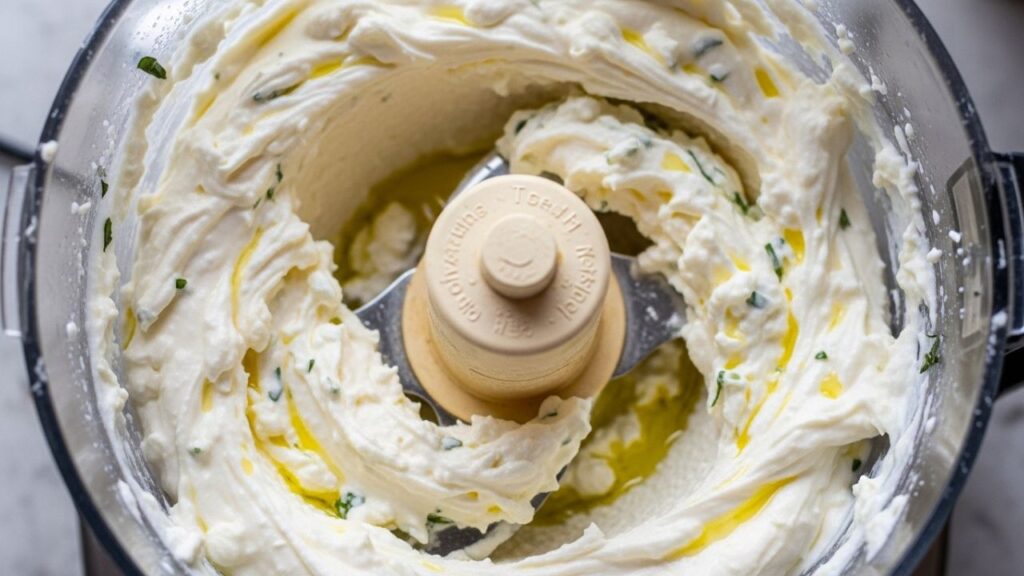
Add the Greek yogurt, cream cheese, garlic, and lemon zest. Pulse about 10 times to break everything down. Then, turn the processor to “high” and slowly drizzle in the olive oil through the feed tube while the machine is running.
- Visual Cue: You are looking for a shift from “grainy cottage cheese” to “smooth buttercream.” This usually takes about 2 to 3 minutes of continuous blending.
4. The Final Aeration
Once smooth, let the processor run for an additional 60 seconds. This incorporates micro-bubbles into the mixture, giving it that “killer” airy quality that makes people ask for the recipe.
5. The Chill (Optional but Recommended)
In my experience, letting the mixture sit in the fridge for 20 minutes before serving allows the garlic and lemon to fully permeate the fats. However, if you’re in a rush, it’s perfectly delicious served immediately.
The Science of Fat Ratios and Stability
Why does this whipped feta stay fluffy while others turn into a puddle? It comes down to Emulsification and Protein Stability.
Feta is a “short” cheese, meaning its protein structure is quite tight and crumbly. When we add Greek yogurt and cream cheese, we are introducing different types of fats and lactic acids. The cream cheese, specifically, contains stabilizers like carob bean gum (in most commercial brands), which helps hold the air bubbles we’ve whipped in.
Temperature also plays a role. If the fats get too hot during the blending process (from the friction of the blades), the emulsion can “break,” causing the oil to separate. This is why we don’t use a high-speed blender for more than 4 minutes at a time. For those interested in the broader science of dairy stability and food safety, the USDA Food Safety and Inspection Service provides excellent resources on maintaining proper temperatures for dairy-based killer appetizer recipes.
How to Avoid an Appetizer Disaster
- Using Pre-Crumbled Feta
- Why it happens: Convenience wins over quality.
- The Result: A grainy, sandy texture that feels “powdery” on the tongue.
- The Fix: Always buy the block in brine and pat it dry before using.
- Over-Garlicking
- Why it happens: Garlic is delicious, so more must be better, right?
- The Result: Raw garlic becomes more potent the longer it sits. An hour into the party, the dip will taste like nothing but garlic burn.
- The Fix: Use one small clove, grated finely. It should be a background note, not the lead singer.
- Using Low-Fat Yogurt
- Why it happens: A desire to make the recipe “healthier.”
- The Result: Low-fat or non-fat yogurt has a higher water content. Your whipped feta will be runny and lack that rich, tongue-coating luxury.
- The Fix: Use 5% to 10% Greek yogurt.
- Blending Too Long
- Why it happens: Trying to get it “extra” smooth.
- The Result: The friction heats the cheese, causing the oil to leak out.
- The Fix: Stop as soon as it looks like thick frosting.
- Skipping the Honey/Acid Balance
- Why it happens: Feta is already flavorful.
- The Result: The salt becomes overwhelming after two bites.
- The Fix: Don’t skip the lemon zest and honey; they are essential for “palate reset.”
Storage & Make-Ahead Section
Killer appetizer recipes are often the most stressful part of a dinner party because they coincide with guests arriving.
- Refrigeration: You can make this whipped feta up to 3 days in advance. Store it in an airtight container with a piece of plastic wrap pressed directly onto the surface of the cheese to prevent a “skin” from forming.
- Room Temperature: Like most dairy-based appetizers, this shouldn’t sit out for more than 2 hours.
- Freezing: Do not freeze. The freezing and thawing process will cause the yogurt and cheese to separate, leaving you with a watery mess that no amount of re-blending can fix.
- Texture Change: Over time, the whipped feta will firm up in the fridge. Before serving, give it a quick whisk by hand or let it sit at room temperature for 15 minutes to restore its fluffiness.

Serving Suggestions & Variations
- The Spicy Roasted Tomato: Roast cherry tomatoes with olive oil, salt, and red pepper flakes until they burst. Pour them, hot oil and all, over the cold whipped feta. The temperature contrast is incredible.
- The Mediterranean Crunch: Top with toasted pine nuts, chopped Kalamata olives, and fresh mint. Serve with sliced cucumbers and radishes for a low-carb “killer” appetizer recipes.
- The Sweet & Savory: Top with fresh figs (or dried fig jam) and a heavy drizzle of balsamic glaze. This bridges the gap between the cheese course and a starter.
- The Dukkah Dust: Sprinkle heavily with Dukkah (an Egyptian spice and nut blend) and serve with warm, charred flatbread.
Conclusion
Mastering simple killer appetizer recipes is all about understanding that the “killer” element comes from the quality of your ingredients and the precision of your texture. This whipped feta guide isn’t just a recipe; it’s a blueprint for how to handle dairy and fats to create a professional-grade experience in a home kitchen.
In my experience, once you understand the science of stabilizing the whip with a bit of cream cheese and tempering your ingredients, you can apply these principles to dozens of other dips and spreads. Don’t be afraid to experiment with the toppings—the feta is your canvas. Whether you’re hosting a casual game night or a formal holiday dinner, having a reliable, high-impact starter like this in your back pocket ensures you can spend less time stressing in the kitchen and more time enjoying your guests. Remember, the best appetizers are the ones that disappear within minutes, leaving your guests excited for what’s coming next. Approach your next party with confidence, knowing you have the ultimate creamy, tangy foundation ready to go.
FAQs
1. Why is my whipped feta grainy?
This usually happens for two reasons: using pre-crumbled feta or cold ingredients. Pre-crumbled feta is coated in anti-caking agents that won’t blend smoothly. Always use feta in brine and let it come to room temperature before processing.
2. How long does whipped feta last in the fridge?
Stored in an airtight container, it will stay fresh and delicious for 3 to 4 days. I actually find the flavor improves on day two as the garlic and lemon zest have more time to infuse into the fat.
3. What can I use instead of a food processor?
You can use a high-speed blender, but be careful not to over-process. If you have neither, you can use a hand mixer and finely crumbled feta, though the result will be slightly more textured (rustic) rather than perfectly smooth.
4. Can I make this recipe without garlic?
Absolutely. If you find raw garlic too harsh, you can substitute it with roasted garlic for a mellow, sweet flavor, or simply leave it out and increase the amount of fresh herbs like dill or chives.
5. Is whipped feta gluten-free?
Yes, the base recipe is naturally gluten-free. Just ensure you serve it with gluten-free crackers, cucumbers, or carrots instead of pita bread to keep the entire appetizer safe for those with gluten sensitivities.

Henry James is the writer behind Fooodies.site, where he shares easy recipes, practical cooking guides, and simple kitchen tips for everyday home cooks. He enjoys experimenting with flavors and turning everyday ingredients into delicious, homemade meals. His goal is to make cooking feel simple, enjoyable, and achievable for everyone. He focuses on creating clear, well-tested content that readers can trust and follow with confidence.