
There are few dishes in the culinary world that carry as much history, debate, and pure soul as a pot of Southern gumbo recipe. It isn’t just a soup or a stew; it’s a labor of love that requires patience, a bit of rhythm, and an understanding of how individual ingredients transform into something far greater than the sum of their parts.
When I first started cooking, gumbo intimidated me. I’d heard horror stories about “broken” roux and burnt flour, but after testing this several times in my own kitchen, I’ve realized that the secret isn’t some mystical talent—it’s simply focus. Gumbo is about building layers of flavor. It starts with the fat, moves to the flour, incorporates the “holy trinity” of vegetables, and finishes with a slow simmer that marries the meat and spices together.
If you are looking for more deep dives into traditional comfort food and kitchen techniques, visit our homepage: https://fooodies.site.
Understanding the Roux
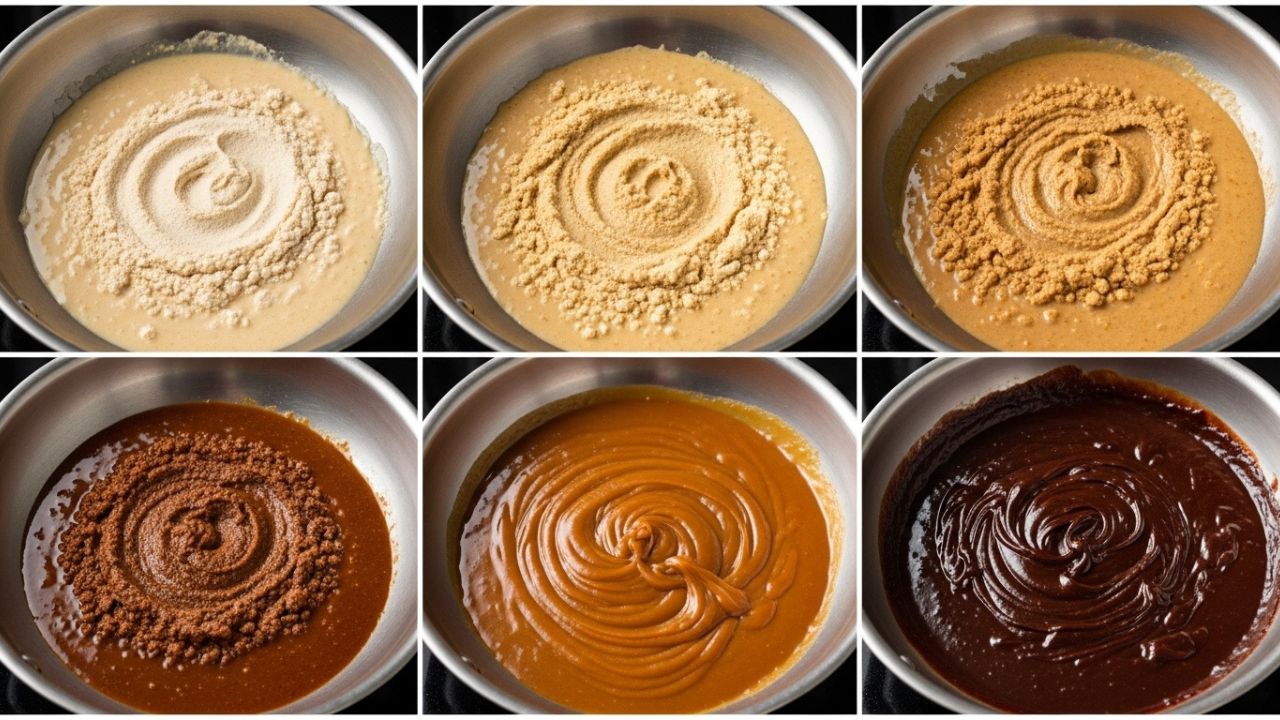
You cannot talk about gumbo without talking about the roux. In most French cooking, a roux is used as a light thickening agent, but in the South, we take it much further. We cook it until it reaches the color of an old penny or dark chocolate.
In my experience, the roux provides two things: a deep, nutty base flavor and a rich, toasted aroma. However, the darker the roux, the less thickening power it has. This is why we often use okra or filé powder (ground sassafras) as secondary thickeners.
One trick I always use to avoid the “dreaded black specks” (which mean your flour has burnt) is to go low and slow. While some chefs boast about a “10-minute roux” over high heat, I prefer the 30-to-45-minute method over medium-low. It’s meditative, and it ensures you don’t have to throw out a whole batch of ingredients because of one moment of distraction.
Shopping Tips and Essential Ingredients
To make a truly authentic gumbo, you need to be picky about your ingredients. This isn’t the place for shortcuts.
- The Fat: I prefer using a high-smoke-point oil like peanut oil or even rendered duck fat. Butter tastes great, but the milk solids can burn before the flour reaches that deep chocolate stage.
- The Proteins: A classic “surf and turf” approach is best. Look for high-quality smoked sausage (andouille is traditional, but any spicy smoked sausage works) and fresh shrimp. If you can find bone-in chicken thighs, use them—the bones add extra gelatin and body to the broth.
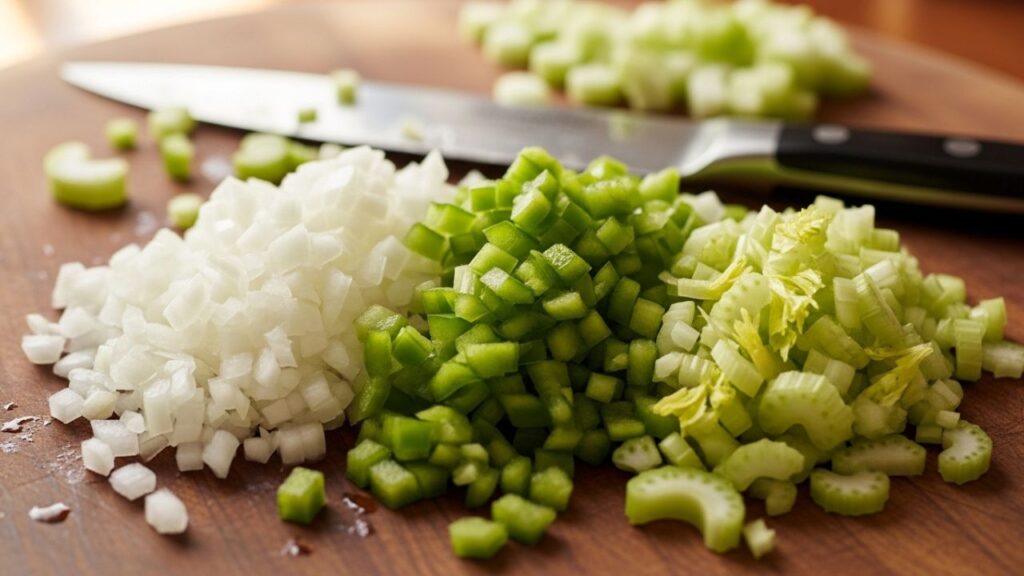
- The Holy Trinity: This is the Southern version of a mirepoix: equal parts onion, green bell pepper, and celery. I’ve found that chopping these into very small, uniform pieces allows them to almost melt into the sauce.
- The Stock: Never use plain water. A rich homemade seafood stock or a high-quality chicken stock is essential. For more on the science of building a great base, you can explore these guides on professional stock making.
Step-by-Step: Building Your Gumbo
1. The Smoked Sausage Render
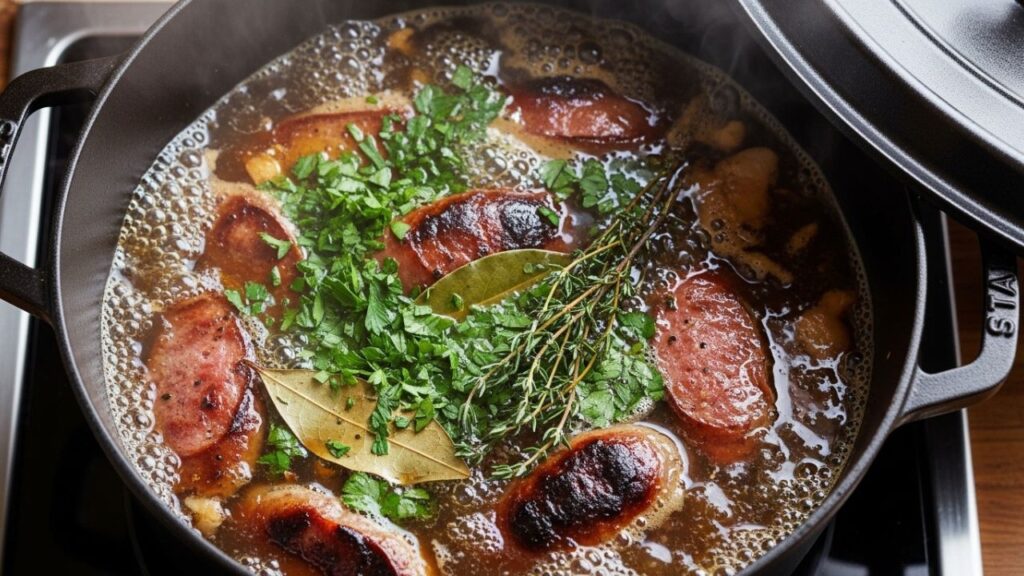
Start by browning your sliced sausage in a large, heavy-bottomed Dutch oven. You want to render out that spicy fat. Once the sausage is browned and crisp on the edges, remove it with a slotted spoon, but leave the fat in the pot. This fat will be the flavorful start of your roux.
2. The Great Roux Race
Add enough oil to the sausage fat to make a half-cup, then stir in a half-cup of all-purpose flour. Stir constantly with a wooden spoon or a whisk. You are looking for the color stages: blond, peanut butter, copper, and finally, dark chocolate. The moment it smells like toasted popcorn and looks like dark chocolate, move to the next step immediately to stop the cooking.
3. Sautéing the Trinity
Dump your chopped onions, peppers, and celery into the dark roux. The vegetables will hiss and release steam—this is a good thing! The moisture in the vegetables effectively “shocks” the roux and prevents it from getting any darker. Cook these until they are soft and translucent.
4. The Slow Simmer
Slowly whisk in your stock, about a cup at a time, to ensure no lumps form. Add your browned sausage back in, along with seared chicken thighs, minced garlic, bay leaves, cajun seasoning, and a pinch of cayenne. Let this simmer on low, uncovered, for at least an hour. I’ve found that the flavor improves significantly the longer it sits.
5. The Final Addition
In the last 10 to 15 minutes, add your cleaned shrimp and sliced okra. Overcooking shrimp turns them into rubber balls, so keep a close eye on them. Once they turn pink and opaque, your gumbo is ready.
Personal Insights: The Secret “Finish”
There is a common debate about whether to add filé powder during cooking or at the table. In my experience, adding it to the pot while it’s boiling can make the gumbo stringy or “ropey.” I always set the filé powder on the table and let guests sprinkle it over their individual bowls. It adds a beautiful earthy fragrance that is easily lost if boiled.
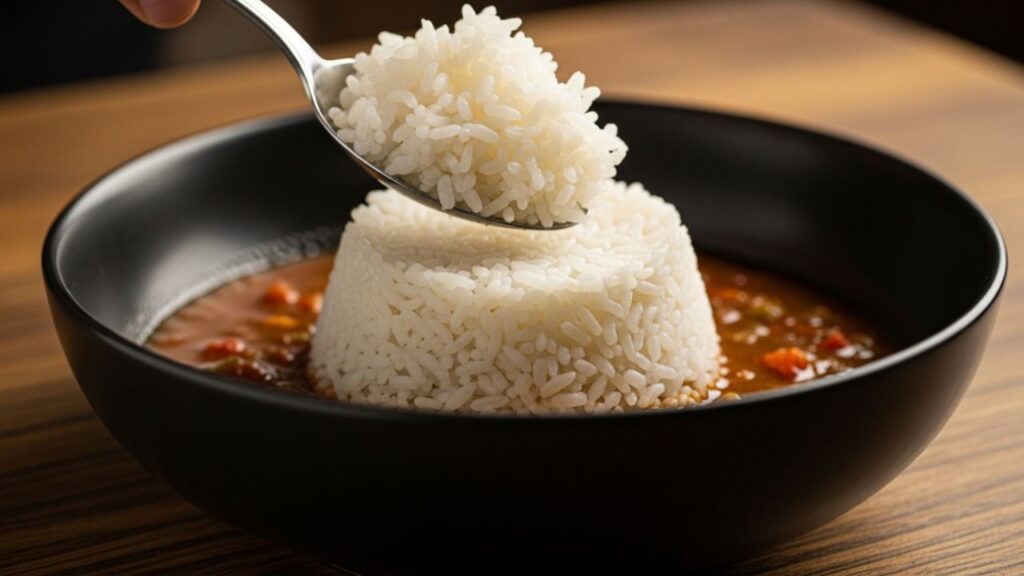
Another tip: Gumbo should never be served in a flat bowl. Use a deep bowl, place a tight scoop of white rice right in the center, and ladle the gumbo around it. This keeps the rice from getting too mushy too quickly.
Variations and Flavor Tweaks
- The Seafood Purist: Skip the chicken and sausage and use crab legs, oysters, and shrimp. Use a shrimp-head stock for a truly oceanic depth.
- The Green Gumbo (Gumbo Z’Herbes): A meatless (or meat-light) version packed with various greens like collards, mustard greens, and spinach. It’s an old tradition for certain times of the year.
- The Oven Roux: If you’re terrified of burning your roux on the stove, you can actually bake flour and oil in a cast-iron skillet in the oven at 350°F$, stirring every 15 minutes. It takes longer, but it’s nearly foolproof.
Common Mistakes to Avoid
- Walking Away from the Roux: If the phone rings while you’re making a roux, let it ring. If you stop stirring for even 30 seconds, the flour can catch and burn.
- Using Cold Stock: Adding ice-cold stock to a scorching hot roux can cause the fat to separate. I always warm my stock in a separate pot before incorporating it.
- Over-Salting Early: Because southern gumbo recipe reduces as it simmers, the saltiness will concentrate. Wait until the very end to do your final salt adjustment. For a deeper understanding of seasoning, refer to these guidelines on flavor balancing.
FAQs
1: Can I make gumbo ahead of time?
Absolutely. Like many stews, southern gumbo recipe is actually better the next day. The flavors have more time to meld together in the fridge.
2: My gumbo is too thin. How do I fix it?
You can add more sautéed okra (which has natural mucilage that thickens) or whisk in a small amount of filé powder right before serving.
3: Do I have to use okra?
No. Some people find the texture of okra off-putting. If you skip it, just ensure your roux is well-developed and consider using filé powder at the end for the body.
4: What kind of rice is best?
Long-grain white rice is the standard. It stays fluffy and doesn’t turn into a paste when it hits the liquid.
5: How long does gumbo last in the freezer?
Southern Gumbo freezes recipe beautifully for up to 3 months. However, if you plan to freeze it, I suggest leaving the shrimp out and adding them fresh when you reheat the base.
Conclusion
Mastering a Southern gumbo recipe is a rite of passage for any serious cook. It teaches you about patience, the importance of aromatics, and the magic of a well-cooked roux. While it might take an entire afternoon to prepare, the result is a dish that tastes like home, history, and heart. Don’t be afraid of the dark roux—embrace the process, keep your spoon moving, and enjoy the best bowl of food you’ve ever made.

Henry James is the writer behind Fooodies.site, where he shares easy recipes, practical cooking guides, and simple kitchen tips for everyday home cooks. He enjoys experimenting with flavors and turning everyday ingredients into delicious, homemade meals. His goal is to make cooking feel simple, enjoyable, and achievable for everyone. He focuses on creating clear, well-tested content that readers can trust and follow with confidence.