
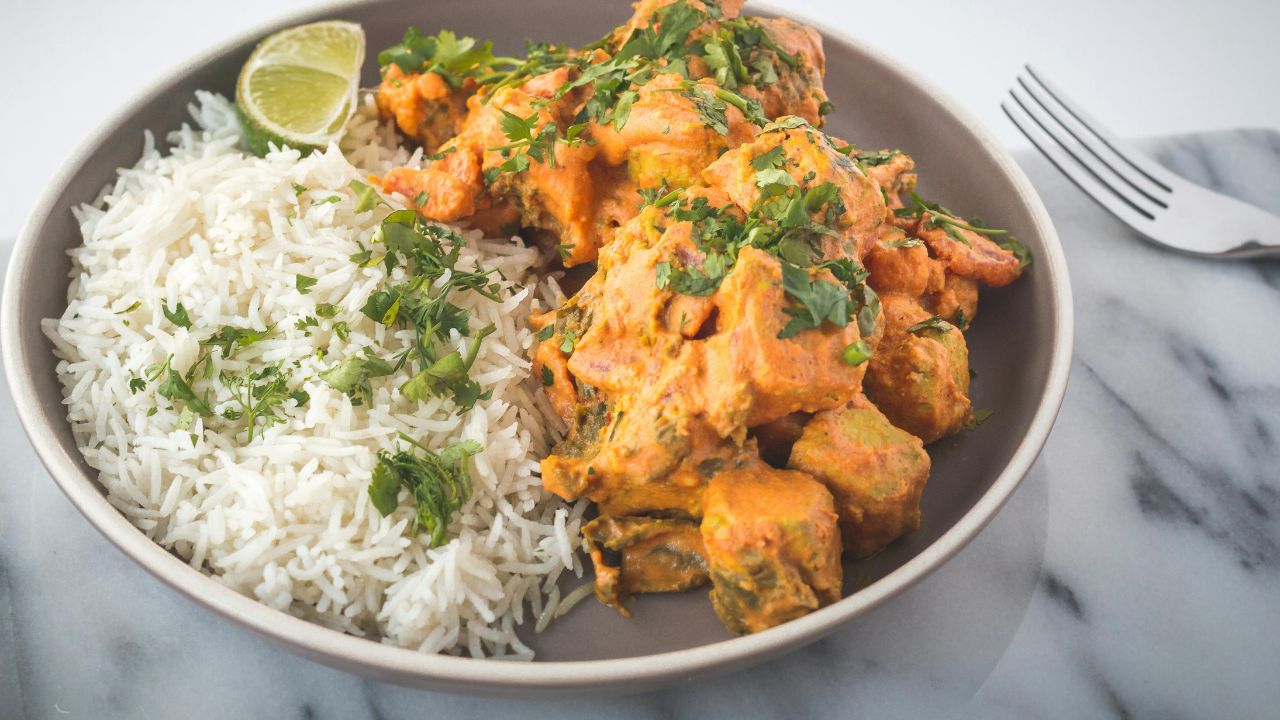
There is a special kind of magic that happens when a single ceramic dish goes into the oven—especially when paired with simple appetizer recipes for entertaining that complete the meal experience. For many of us, casseroles represent the ultimate comfort food—reminders of family gatherings or busy weeknights when a complete meal in one dish was the easiest solution. Beyond nostalgia, casseroles are a true culinary strength. They allow for layered textures, balanced flavors, and practical cooking in a way few other methods can match. Mastering them is less about convenience alone and more about understanding how ingredients behave together under steady heat. In my experience, what separates an average casserole from a truly memorable one comes down to moisture control, seasoning, and the quality of the binding ingredients. When these elements come together properly, the result is a dish that is both comforting and deeply satisfying.

The Architecture of a Perfect Bake
To build a casserole that people genuinely look forward to, it helps to think of it like a structured system. Every great bake follows a simple framework: a base, a binder, aromatics, and a topping that adds texture. When each layer has a clear purpose, the final result becomes more balanced and flavorful.
1. The Foundation (Proteins and Starches)
Whether you are using shredded chicken, browned ground beef, or hearty beans, the base of your casserole needs proper seasoning before assembly. One important technique is slightly undercooking pasta or grains. If they are fully cooked before baking, they often become overly soft in the oven. Keeping them firm allows them to absorb flavor during baking without turning mushy, resulting in a better overall texture.
2. The Binder (The Glue)
The binder holds everything together and keeps the dish moist without making it heavy. While many recipes rely on canned soups, a homemade béchamel or a mix of Greek yogurt and cheese creates a fresher and more balanced flavor. The key is moderation—enough moisture to keep the dish creamy, but not so much that it becomes greasy or soupy.
My Signature Golden Rule for Texture
If there is one thing I’ve learned from years of trial and error, it’s that texture is king. A casserole that is soft all the way through is baby food; a casserole with a shatteringly crisp topping is a masterpiece.
I’ve found that the best toppings are a mix of fat and fiber. Instead of just sprinkling plain breadcrumbs on top, try tossing Panko crumbs with a tablespoon of melted butter and a pinch of smoked paprika. If you’re going the cheese route, don’t just use mozzarella. Mix it with a harder cheese like Parmesan or Gruyère. The mozzarella provides the gooey stretch, while the harder cheese creates that coveted lacey browned crust known as the frico.
The Two-Stage Bake
A reliable method for even cooking is the two-stage bake. Start by covering the dish with foil so the heat distributes evenly and the center cooks properly. Later, remove the foil to allow the top to brown and develop a crisp surface. This approach ensures the inside is fully cooked without overbrowning the topping.
Essential Steps for a Successful One-Pan Meal
When assembling a casserole, a few habits make a noticeable difference. Always brown meats and firm vegetables before combining them. Season each component individually rather than relying only on final seasoning—an approach that also applies when preparing homemade gourmet salad recipes to balance flavors across the entire meal. If using fatty meats, drain excess grease to avoid heaviness. Most importantly, allow the finished dish to rest after baking so it can set properly before serving.
Avoiding the Soggy Bottom Syndrome
A watery casserole usually comes from high-moisture ingredients like frozen vegetables or mushrooms. To prevent this, thaw frozen vegetables and remove excess water before using them. Mushrooms should be sautéed until they release and reabsorb their moisture, which intensifies their flavor and improves texture. These small steps significantly improve the final result.
Storage and Make-Ahead Magic
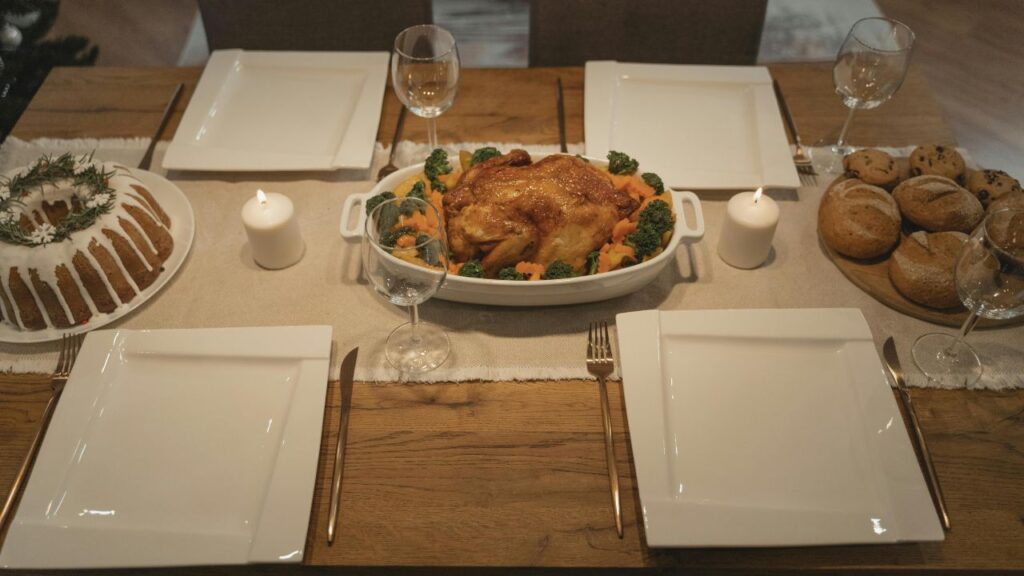
Casseroles are excellent for meal prep because their flavors improve over time. Store leftovers in an airtight container in the refrigerator for several days. When reheating, adding a small splash of milk or water helps restore moisture.For freezing, ensure the dish is fully cooled before sealing to maintain quality and prevent ice crystals—following proper food storage techniques can make a significant difference in preserving flavor and texture. Reheating in the oven is preferable, as it preserves texture better than a microwave.
Conclusion
A casserole is far more than a convenient one-dish meal—it is a foundational part of home cooking that blends comfort, practicality, and creativity. From weeknight dinners to family gatherings, casseroles continue to stand out because they are adaptable to nearly any ingredient you have on hand while still delivering consistent, satisfying results.
Once you understand the core principles—balancing moisture, layering flavors, and controlling texture—you can confidently turn simple ingredients into something deeply flavorful and well-structured. Small techniques like pre-cooking components, seasoning in layers, and choosing the right binder or topping can completely transform the outcome of your dish.
Frequently Asked Questions
1. Can I use raw rice in a casserole?
Yes, but it requires precise liquid control. For more consistent results, partially cooked or parboiled rice is often a safer choice.
2. How do I prevent my cheese topping from burning?
Covering the dish during most of the bake or adding cheese near the end helps prevent over-browning while still achieving a golden finish.
3. What is the best dish to use for baking?
Glass and ceramic dishes distribute heat evenly and retain warmth well, making them ideal for casseroles.
4. My casserole is too salty, can I fix it?
You can balance it by adding unsalted ingredients like plain pasta or serving it with neutral sides such as vegetables or rice.
5. Is it safe to put a glass dish straight from the fridge into a hot oven?
It is not recommended, as sudden temperature changes can cause glass to crack. Let the dish warm slightly before baking.

Henry James is the writer behind Fooodies.site, where he shares easy recipes, practical cooking guides, and simple kitchen tips for everyday home cooks. He enjoys experimenting with flavors and turning everyday ingredients into delicious, homemade meals. His goal is to make cooking feel simple, enjoyable, and achievable for everyone. He focuses on creating clear, well-tested content that readers can trust and follow with confidence.