
But not all cheese pasta is created equal—many home cooks struggle with sauces that turn clumpy, greasy, or bland instead of smooth and luxurious, much like the challenges you might face when experimenting with creative recipes using pizza dough.
The difference between average and restaurant-quality pasta isn’t luck. It comes down to understanding how cheese behaves when heated. After plenty of trial and error (and more than a few stubborn pans to scrub), one thing becomes clear: success depends not just on the cheeses you choose, but how you melt them. A great three-cheese blend balances flavor and texture beautifully. You want a mix of creamy richness, bold flavor, and a touch of salty depth. When done right, the result is a silky, well-rounded sauce that coats every bite of pasta perfectly. Mastering this dish gives you a reliable, crowd-pleasing meal you can turn to anytime.

Defining the Three-Cheese Harmony
A true three-cheese pasta isn’t just about mixing random cheeses together. Each cheese plays a specific role in building the final flavor and texture. First is the base cheese. This is typically a soft, high-moisture cheese like mozzarella, fontina, or mild cheddar. It melts easily and creates the creamy foundation of the sauce. Next comes the character cheese. This is where the personality of the dish shines through. Cheeses like gouda, gruyère, or gorgonzola add depth, sharpness, or a slightly tangy note. Finally, there’s the finishing cheese. Hard, aged cheeses like parmesan or pecorino romano bring a salty, umami-rich finish. Instead of stretching, they melt into the sauce and enhance its overall flavor. When these three elements are balanced, the sauce becomes rich and complex rather than heavy or one-dimensional.
Why Temperature Control is Your Best Friend
One of the most common problems when making cheese sauce is separation, often called breaking. This happens when the cheese overheats, causing fats and proteins to split apart. The result is an oily, grainy texture instead of a smooth sauce.
Cheese melts best over gentle heat. It needs a gradual transition from solid to creamy, not a sudden blast of high temperature. Adding a small amount of starch—like reserved pasta water—helps stabilize the sauce. This keeps the cheese and liquid properly combined, giving you that silky consistency every time.
Preparing Your Components for the Perfect Melt
A smooth cheese sauce starts with proper preparation. A few simple steps can make a big difference.
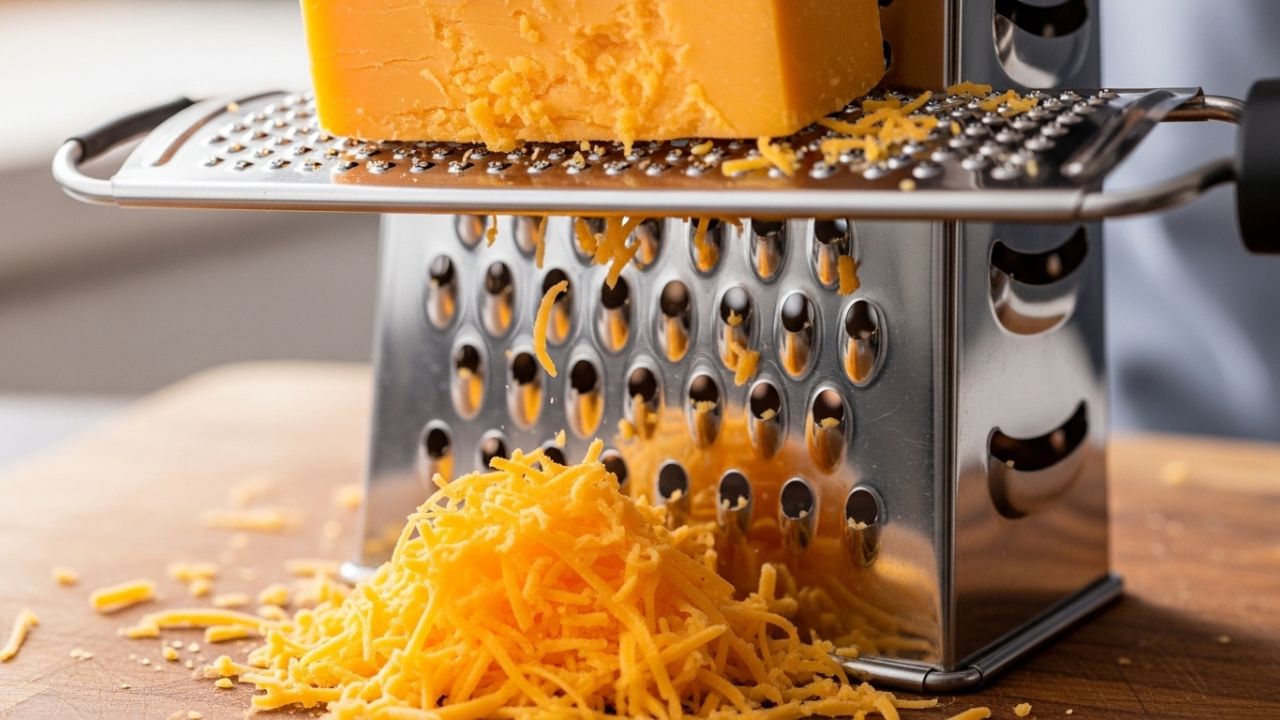
Use freshly grated cheese: Pre-shredded cheese often contains anti-caking agents that interfere with melting. Grating your own cheese ensures a smoother texture.
Bring cheese to room temperature: Letting cheese sit out briefly before cooking helps it melt more evenly and reduces the risk of clumping.
Save your pasta water: Before draining your pasta, set aside a cup of the cooking water. Its natural starch content helps bind the sauce and improve its texture. Taking a few extra minutes to prepare properly will save you from common mistakes later.
Mastering the Emulsion Step-by-Step
When it’s time to bring everything together, the order and method matter.
Start with a base: Melt a little butter or warm some cream over low heat. This creates a gentle foundation for the cheese.
Add cheese gradually: Stir in the base and character cheeses a handful at a time. Let each addition melt fully before adding more.
Remove from heat before finishing: Once the sauce is smooth, take the pan off the heat before adding the final cheese. This prevents overheating and keeps the texture silky.
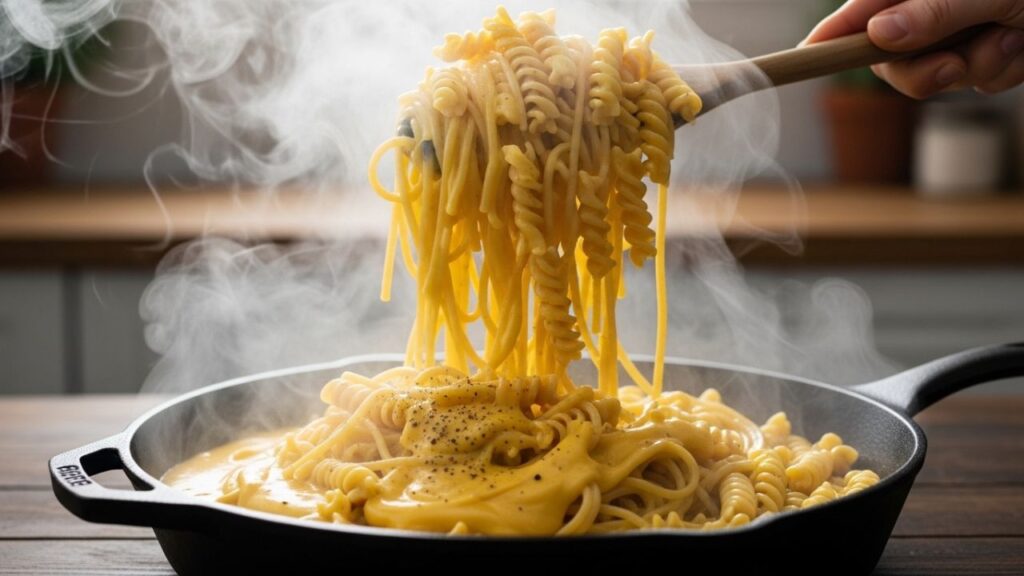
Combine with pasta: Add slightly undercooked pasta directly into the sauce. Pour in a splash of pasta water and toss everything together until well coated.
This process helps create a smooth, cohesive sauce that clings to the pasta instead of separating—perfect for pairing with simple killer appetizer recipes when hosting or planning a complete meal.
Navigating Common Cheesy Pitfalls
Even with the right technique, things can occasionally go wrong. If your sauce starts to separate, don’t panic. Adding a small amount of hot pasta water and whisking vigorously can often bring it back together. Another common issue is over-salting. Many cheeses are naturally salty, so always taste your sauce before adding extra salt. Small adjustments like these can quickly fix most problems and save your dish.
The Best Varieties for a Custom Blend
One of the joys of three-cheese pasta is how customizable it is. You can experiment with different combinations to suit your taste. A classic blend might include mozzarella, cheddar, and parmesan for a balanced and familiar flavor. For something richer, try a mix of brie, gruyère, and comté for a creamy and slightly nutty profile. If you prefer bold flavors, a combination of sharp cheddar, smoked gouda, and cream cheese creates a deep, comforting taste with extra smoothness. Feel free to explore and adjust based on what you enjoy most.
Final Thoughts on the Art of the Melt
Making perfect three-cheese pasta isn’t about strict rules—it’s about understanding how ingredients work together. When you control the heat, choose quality cheeses, and take your time with the process, the results are consistently satisfying. This dish is simple at its core, yet incredibly rewarding. Once you get the technique right, you’ll be able to create a rich, creamy pasta that feels just as good as anything served in a restaurant—especially if you explore variations like this creamy eggplant pasta recipe for your next cozy meal.
FAQ’s
1. Why does my cheese sauce turn grainy?
This usually happens high heat or using pre-shredded cheese. Keep the heat low and use freshly grated cheese for the best results.
2. Can I make this ahead of time?
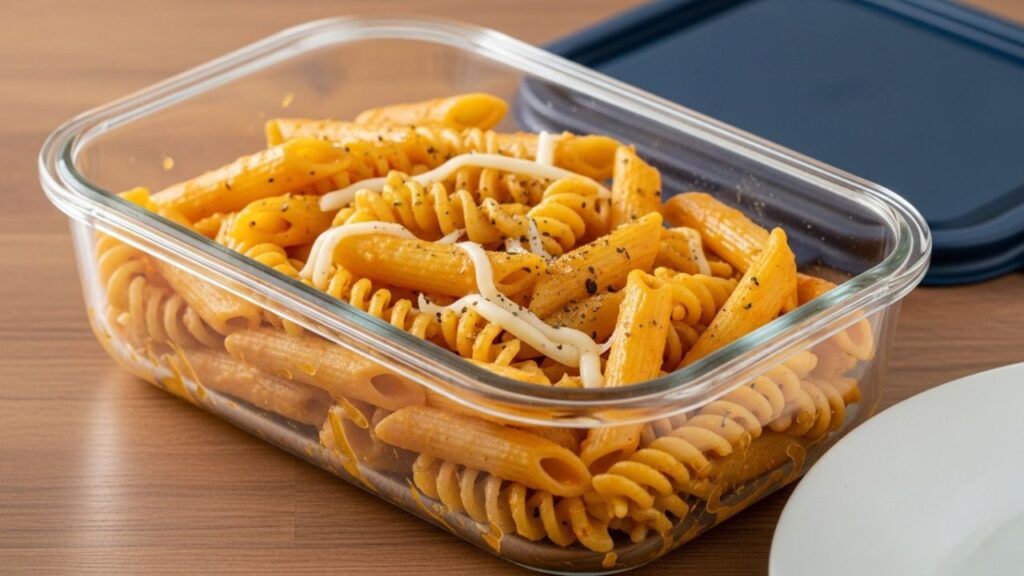
Cheese sauces are best served fresh. If reheating, add a splash of milk and warm it gently to restore the texture.
3. What pasta works best?
Short pasta shapes like shells or fusilli are ideal because they hold onto the sauce well. For long pasta, fettuccine is a great option.

Henry James is the writer behind Fooodies.site, where he shares easy recipes, practical cooking guides, and simple kitchen tips for everyday home cooks. He enjoys experimenting with flavors and turning everyday ingredients into delicious, homemade meals. His goal is to make cooking feel simple, enjoyable, and achievable for everyone. He focuses on creating clear, well-tested content that readers can trust and follow with confidence.