
There are few dishes in Southern cooking that carry as much heritage and soul as a pot of gumbo. It’s more than just a hearty stew—it’s a slow, layered process that transforms simple ingredients into something deeply comforting and flavorful. Making it well requires patience, attention, and an appreciation for how each step builds on the last.
When I first started cooking gumbo, I found it intimidating. I had heard countless warnings about burning the roux or ruining the base. Over time, I learned that the real secret is not perfection, but patience. When you take your time, the dish naturally develops its depth of flavor—from the roux to the vegetables to the final simmer.
Understanding the Roux
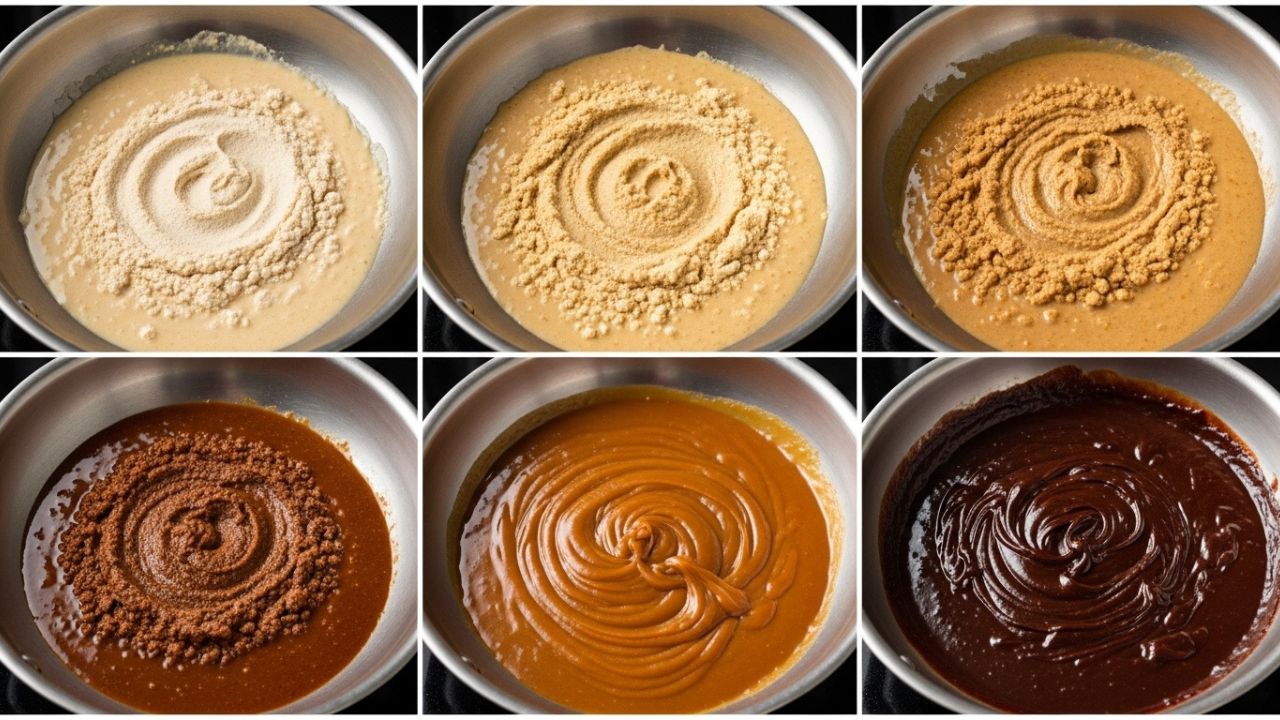
The roux is the heart of gumbo. While French cuisine often uses it lightly as a thickener, Southern cooking takes it much further by cooking it until it turns deep brown—similar to dark chocolate or a well-worn copper penny.
A darker roux brings bold, nutty flavor, but it loses some thickening ability as it cooks. That’s why ingredients like okra or filé powder are sometimes added later to help build body. The key to a good roux is steady heat and constant attention. I prefer cooking it slowly over medium-low heat rather than rushing the process. It takes longer, but it greatly reduces the risk of burning and creates a richer flavor base.
Shopping Tips and Essential Ingredients
Good gumbo starts with quality ingredients. Each component plays an important role in building depth and balance.
- The Fat: Oils with a high smoke point, such as peanut oil, work best. They allow the flour to cook properly without burning too quickly.
- The Proteins: A combination of smoked sausage and chicken adds richness, while shrimp brings a lighter seafood note. Bone-in chicken is especially useful because it adds natural body to the broth.
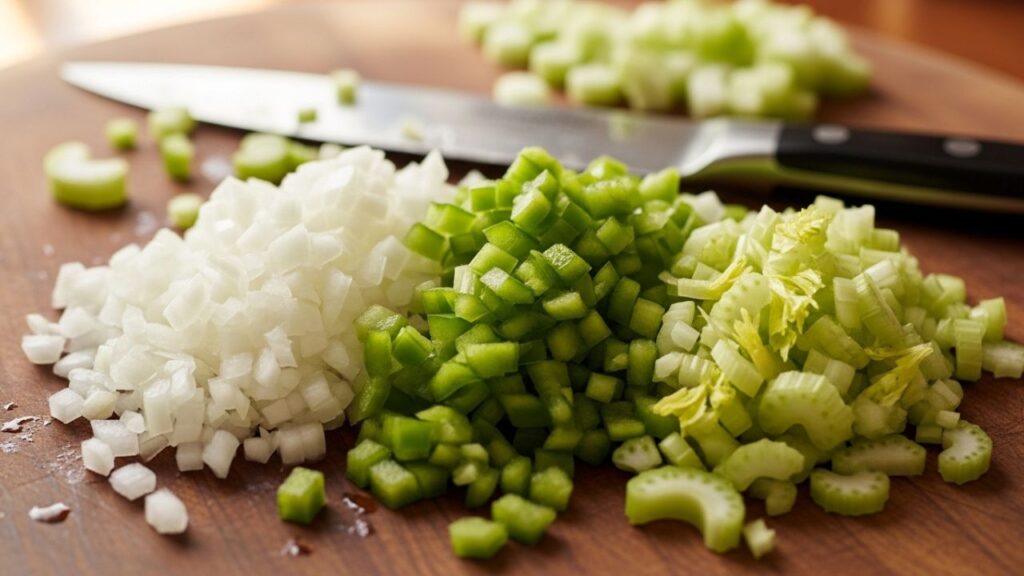
- The Holy Trinity: Onion, celery, and green bell pepper create the base flavor. Finely chopping them helps them blend smoothly into the stew.
- The Stock: A well-made chicken or seafood stock is essential. Water alone won’t provide enough depth, so a flavorful base makes a noticeable difference.
Building Your Gumbo
1. The Smoked Sausage Render
Start by cooking sliced smoked sausage in a heavy pot until it becomes browned and slightly crisp. This releases flavorful oils that will enrich the entire dish. Remove the sausage and keep the rendered fat in the pot.
2. The Great Roux Race
Add oil to the pot if needed, then whisk in flour to form the roux. Stir continuously as it changes color from light tan to deep brown. This process requires patience, but it builds the signature flavor of gumbo. Once it reaches a rich chocolate color, stop cooking immediately to avoid burning.
3. Sautéing the Trinity
Add the chopped onion, celery, and bell pepper directly into the hot roux. The moisture from the vegetables helps slow the cooking and prevents the roux from darkening further. Cook until the vegetables soften and blend into the base.
4. The Slow Simmer
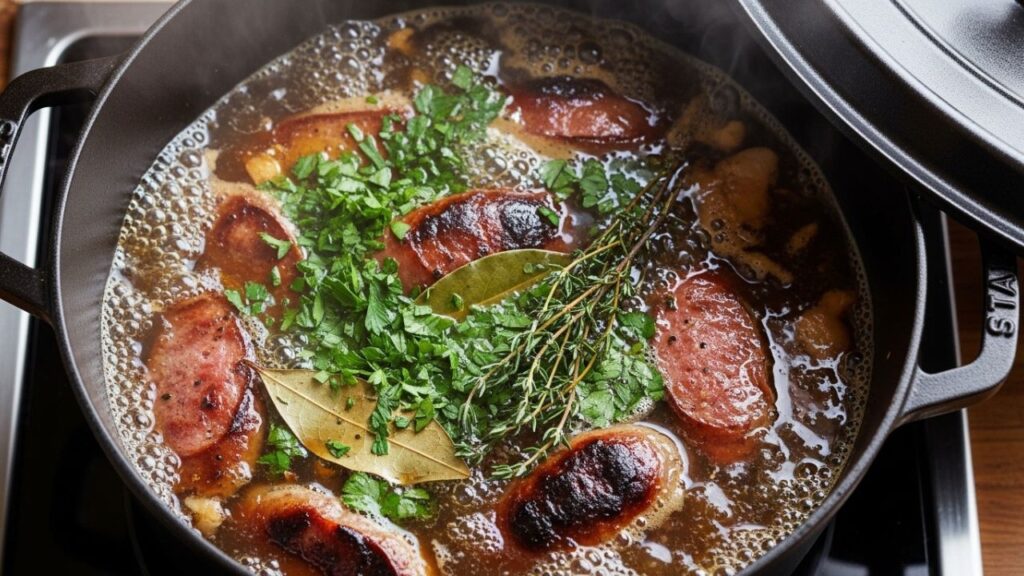
Slowly add warm stock while stirring to prevent lumps. Return the sausage to the pot and add chicken, garlic, bay leaves, Cajun seasoning, and a touch of cayenne. Let it simmer gently for at least an hour so the flavors can fully develop.
5. The Final Addition
Add shrimp and okra near the end of cooking. Shrimp cooks quickly, so it should only stay in the pot until it turns pink and tender. Overcooking can make it tough.
The Secret Finish
One of the ongoing debates in gumbo cooking is how to use filé powder. Some people add it directly into the pot, but I prefer serving it on the side. This allows each person to adjust the flavor and thickness to their liking without affecting the entire dish.
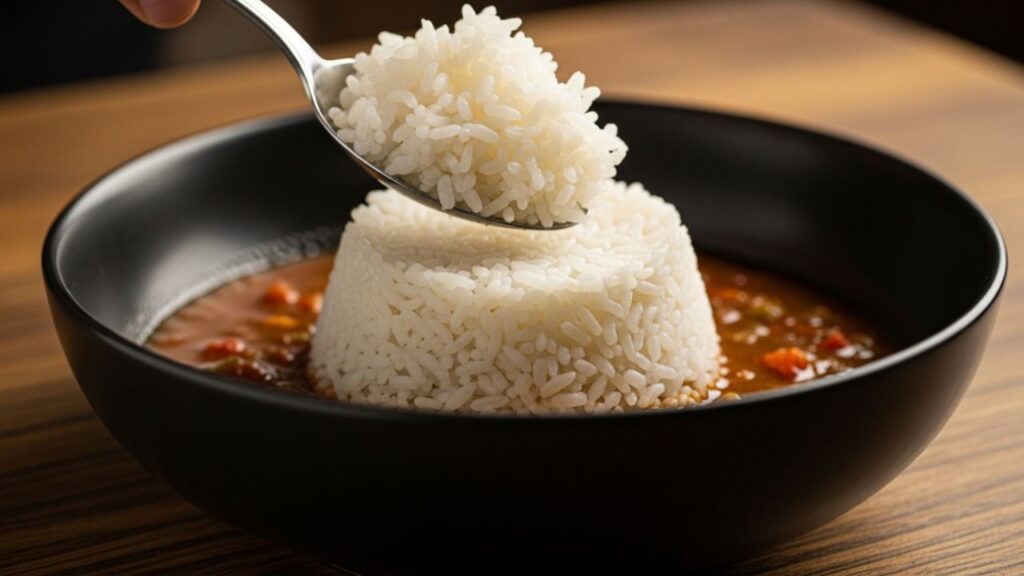
Gumbo is best served in deep bowls rather than shallow plates. A scoop of rice in the center works as a base, allowing the stew to surround it without turning it overly soft too quickly.
Variations and Flavor Tweaks
- Seafood Version: Replace chicken and sausage with shrimp, crab, or oysters for a lighter, ocean-forward flavor.
- Greens Gumbo: A traditional variation made with leafy greens like collards or mustard greens, often enjoyed during special occasions.
- Oven Roux Method: For those who prefer a more hands-off approach, the roux can be baked in the oven and stirred occasionally until it reaches the desired color. It takes longer but requires less constant attention.
Common Mistakes to Avoid
- Walking away from the roux: Even a short distraction can lead to burning, so constant attention is important.
- Using cold stock: Cold liquid added to hot roux can cause separation. Warm stock blends much more smoothly.
- Over-seasoning too early: As gumbo simmers, flavors concentrate. It’s better to adjust seasoning toward the end.
Conclusion
Making gumbo is less about following rigid rules and more about understanding rhythm, patience, and layering flavor over time. From the slow transformation of the roux to the gentle simmer that brings everything together, each stage contributes something essential. What begins as simple pantry staples gradually becomes a deeply complex, aromatic dish that reflects the heart of Southern cooking traditions.
Beyond technique, gumbo is also about intention. It rewards attention to detail—stirring the roux consistently, choosing quality stock, and knowing when to adjust seasoning. These small decisions shape the final result far more than any single ingredient. That’s why no two pots of gumbo ever taste exactly the same; each one carries the personality of the cook and the care put into it.
FAQs
1. Can I make gumbo ahead of time?
Yes. In fact, it often tastes better the next day because the flavors have more time to blend.
2. My gumbo is too thin. How do I fix it?
You can simmer it longer or add a small amount of okra or filé powder to naturally thicken it.
3. Do I have to use okra?
No, it’s optional. Some cooks prefer using filé powder instead or relying entirely on the roux.
4. What kind of rice is best?
Long-grain white rice is the most common choice because it stays fluffy and doesn’t clump easily.
5. How long does gumbo last in the freezer?
Yes, gumbo freezes well for several months. For best texture, shrimp is often added fresh when reheating.

Henry James is the writer behind Fooodies.site, where he shares easy recipes, practical cooking guides, and simple kitchen tips for everyday home cooks. He enjoys experimenting with flavors and turning everyday ingredients into delicious, homemade meals. His goal is to make cooking feel simple, enjoyable, and achievable for everyone. He focuses on creating clear, well-tested content that readers can trust and follow with confidence.